
3D Capture, Photogrammetry, and Museum Innovation
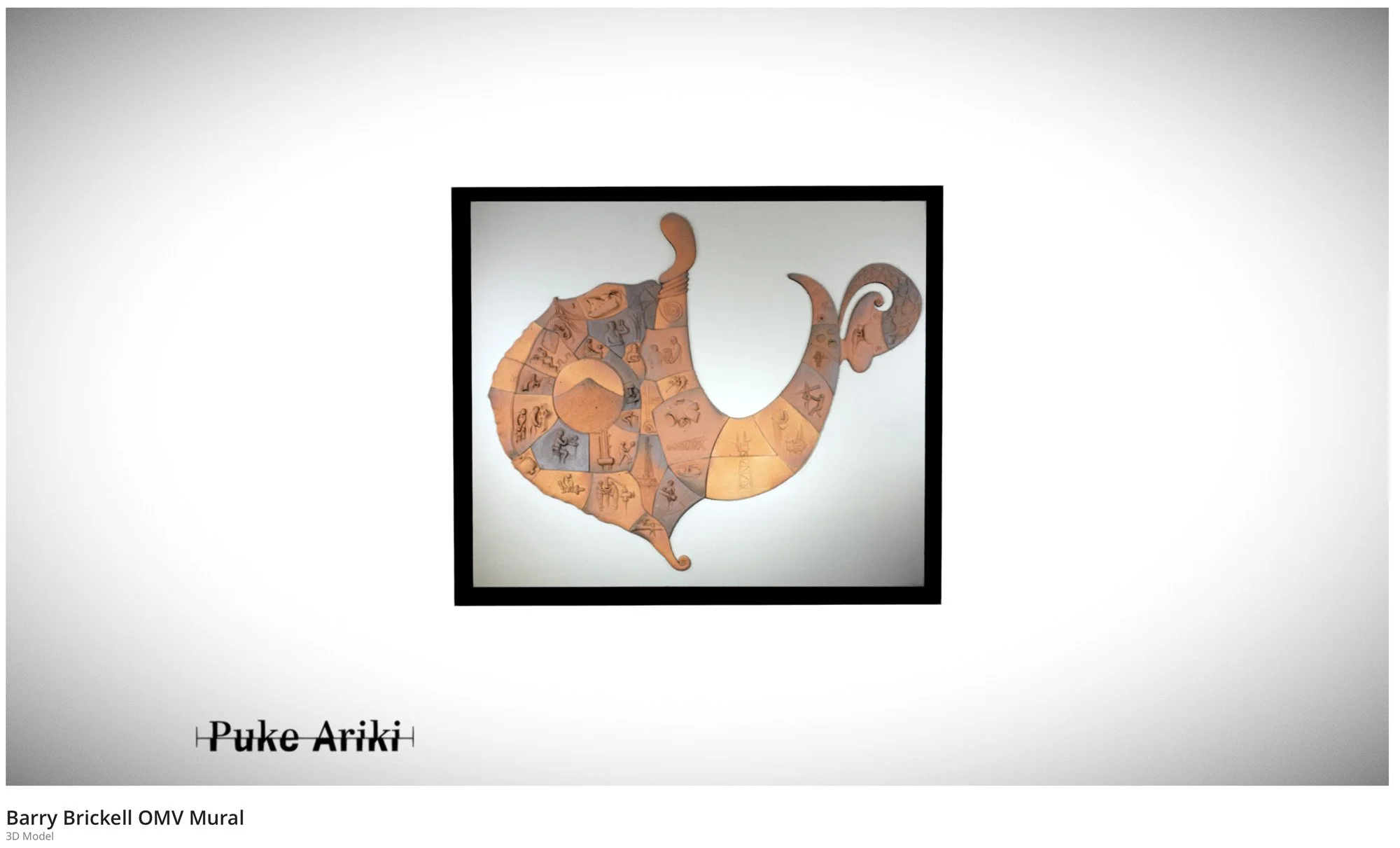
PA2021.023 Collection of Puke Ariki. Barry Brickell Untitled (Shell Todd Mural)
Project: 3D Modelling and Digital Collections Access
Institution: Puke Ariki Museum
Location: New Plymouth, Aotearoa New Zealand
Role: 3D workflow development, photogrammetry, digital imaging, Sketchfab publishing, exhibition integration, digital strategy, presentation and collaboration
Collaborators: Rosie Moyes, Puke Ariki digitisation and exhibition teams, Museum of Stone Tools, Tiapapata Art Centre
Media: 3D models, Sketchfab embeds, touchscreen interactives, exhibition media, web embeds, public presentations, 3D-printed replica
Tools / Methods: Photogrammetry, Agisoft Metashape, digital photography, mobile LiDAR scanning, Scaniverse, Sketchfab, Photoshop, 3D model optimisation, web embedding
Featured collaboration: Hafted Samoan stone adze project with the Museum of Stone Tools and Tiapapata Art Centre
Recognition / Presentation: Presented at the 2025 National Digital Forum
Ongoing 3D modelling workflow developed at Puke Ariki to create high-quality digital models of collection objects, specimens, exhibition assets, and environmental features. The project included establishing the museum’s Sketchfab presence, embedding models in exhibitions and online interpretation, and collaborating with the Museum of Stone Tools and Tiapapata Art Centre on a hafted Samoan stone adze model and 3D-printed replica.
At Puke Ariki, I developed an ongoing 3D modelling workflow to expand how the museum could document, interpret, and share collection objects, exhibition content, and significant local environments. The project began as a self-directed effort to learn photogrammetry techniques, test accessible capture tools, and establish a repeatable process for creating high-quality 3D models with the resources available to a small regional institution.
The aim was not simply to experiment with 3D for its own sake. I wanted to understand how the technology could be used practically across exhibitions, collections access, education, interpretation, and online engagement. This meant building a workflow that could produce models of sufficient quality for public use while remaining realistic for an in-house digital programme with limited staff, equipment, and budget.
Working with the internal digitisation team, including Rosie Moyes, I developed methods for photographing and processing objects using photogrammetry software such as Agisoft Metashape, alongside other imaging and 3D tools. The resulting models included collection objects, specimens, geological textures, Tongapōrutu coastal cliff surfaces, and exhibition assets such as a 3D pā site model. These models were then used in multiple contexts, including touchscreen interactives, exhibition components, presentations, web embeds, and online galleries.
I also established and maintained the Puke Ariki Sketchfab page, creating a public platform for sharing the museum’s 3D work. The page includes 19 models, including a pā site model, Tongapōrutu coastal cliff scans, a hafted Samoan stone adze, collection objects, natural history specimens, and other cultural heritage material. The page has generated thousands of views and created a visible online access point for 3D collection and exhibition content.
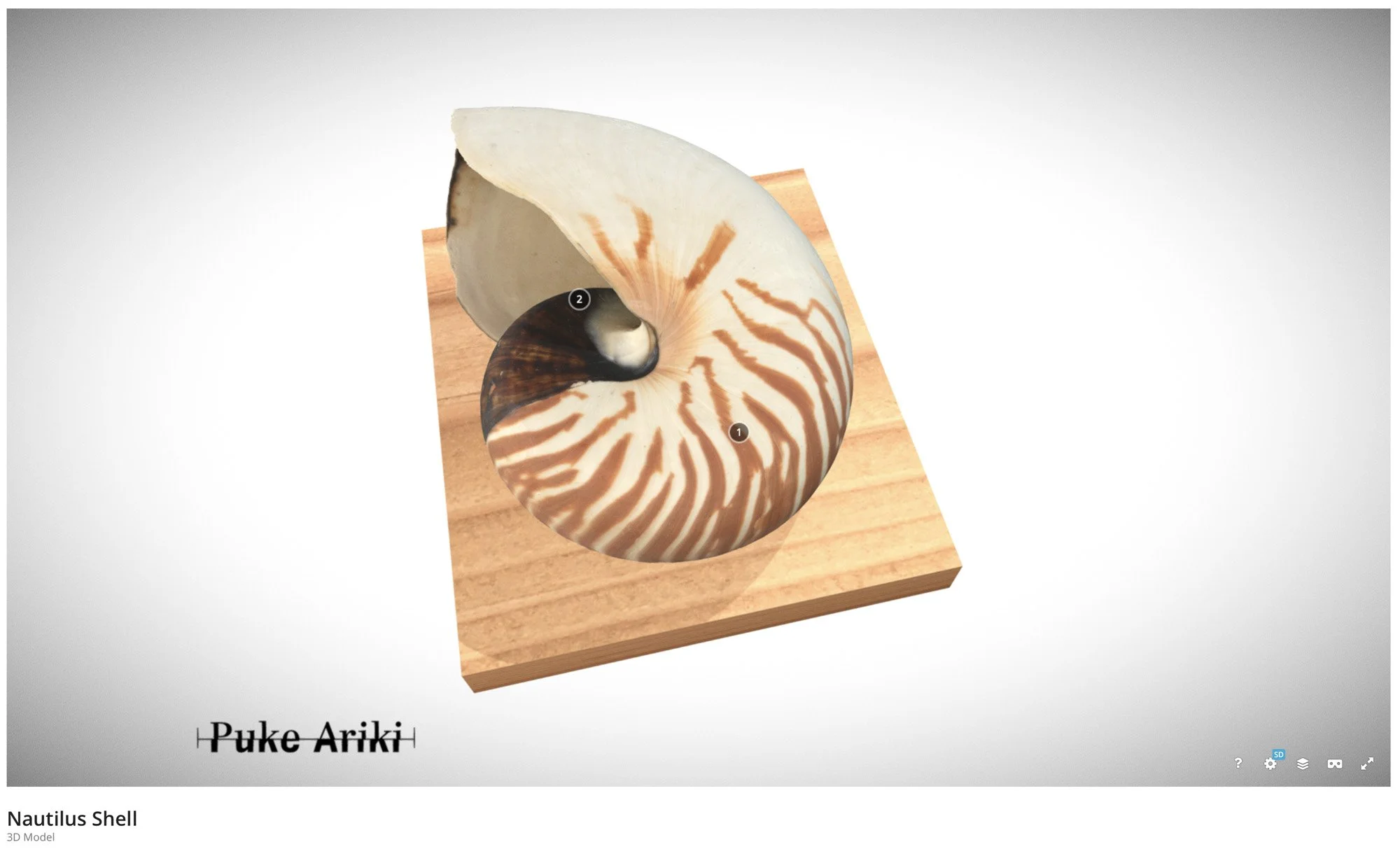
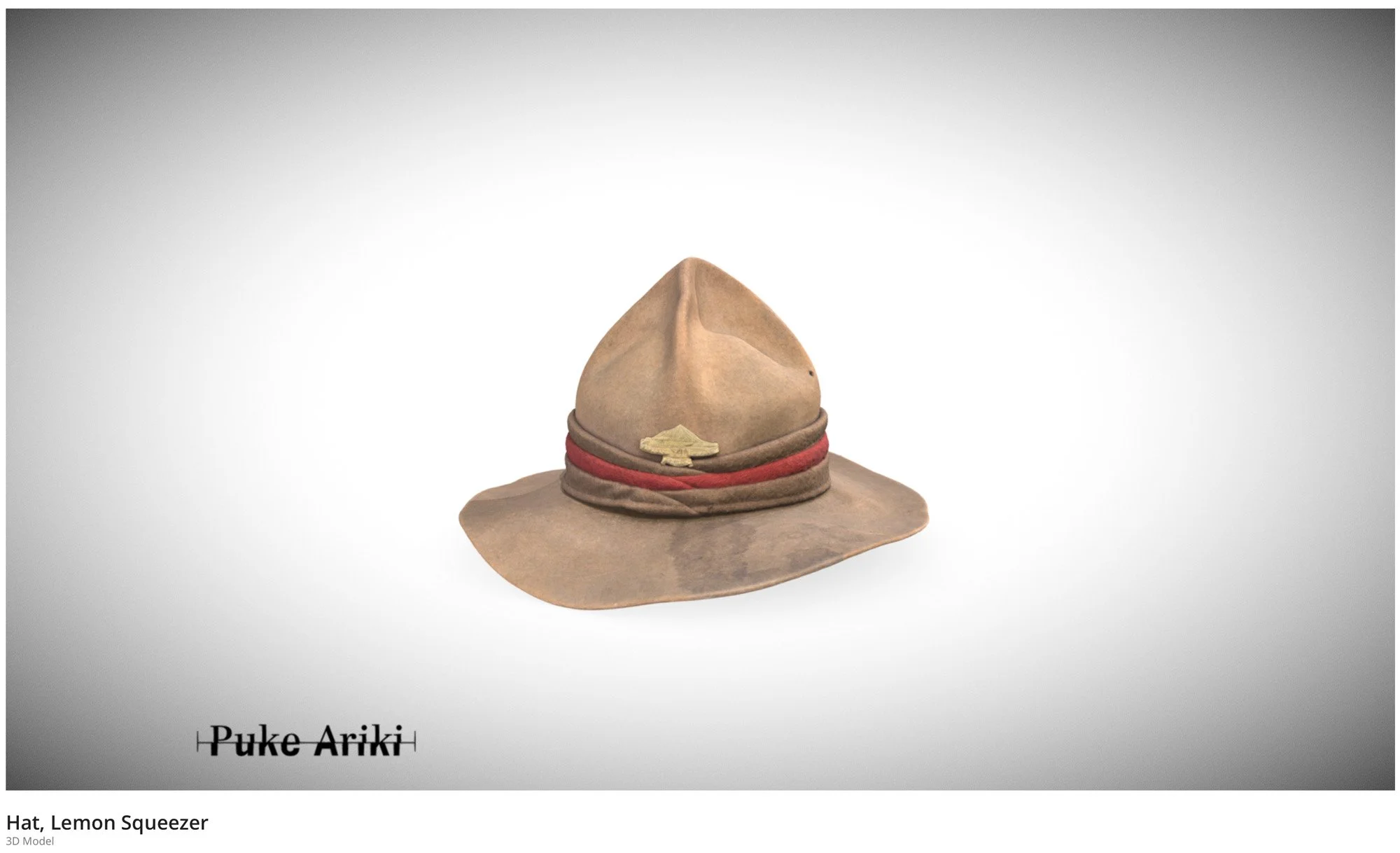
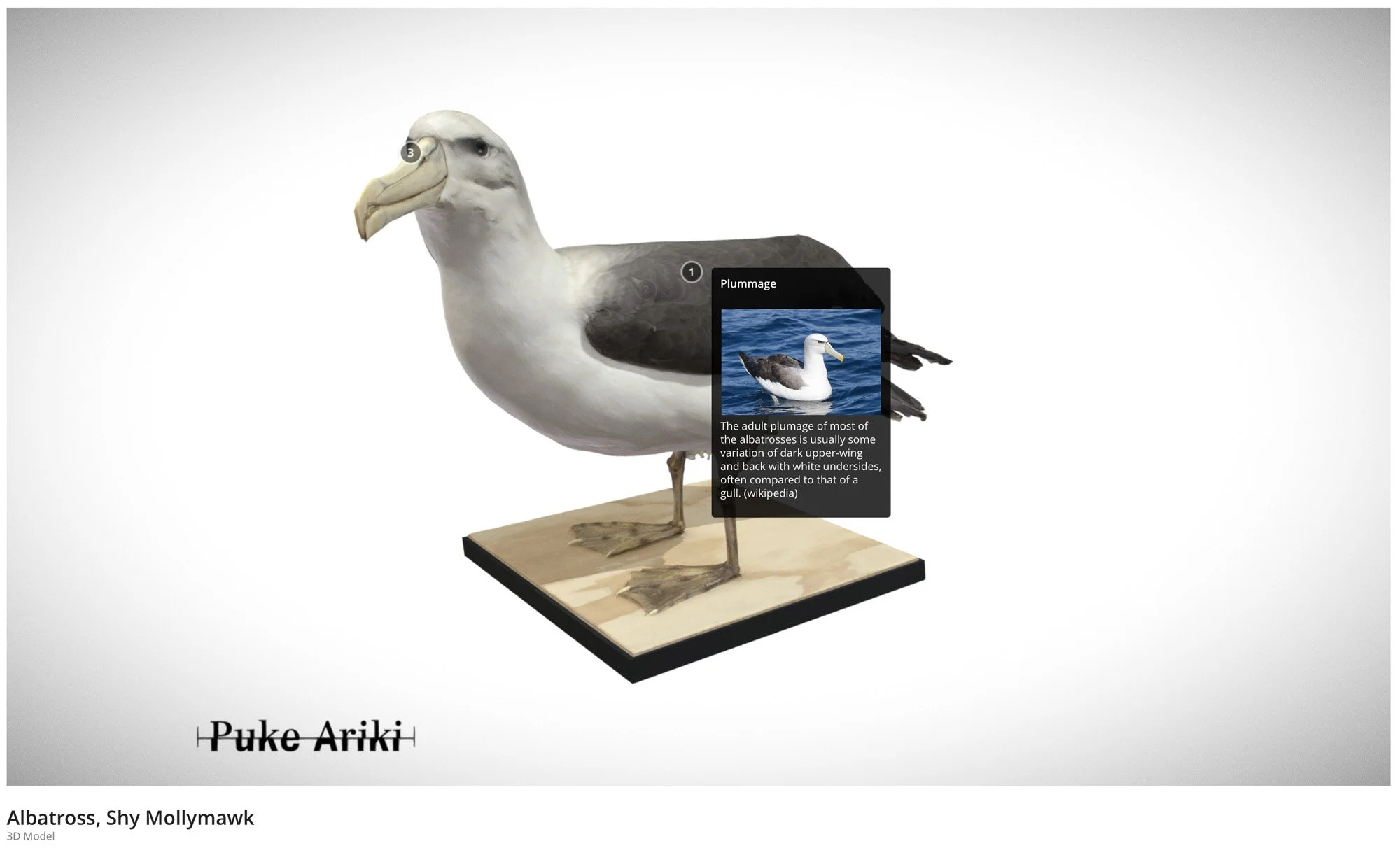
A key part of the project was applying 3D models in meaningful ways. Models were embedded in exhibition interactives, used to support digital interpretation, included in public presentations, and made available online for audiences who might never encounter the objects or sites in person. The work demonstrated how a museum with modest resources could “punch above its weight” by combining careful photography, technical learning, experimentation, and a high standard of visual production.
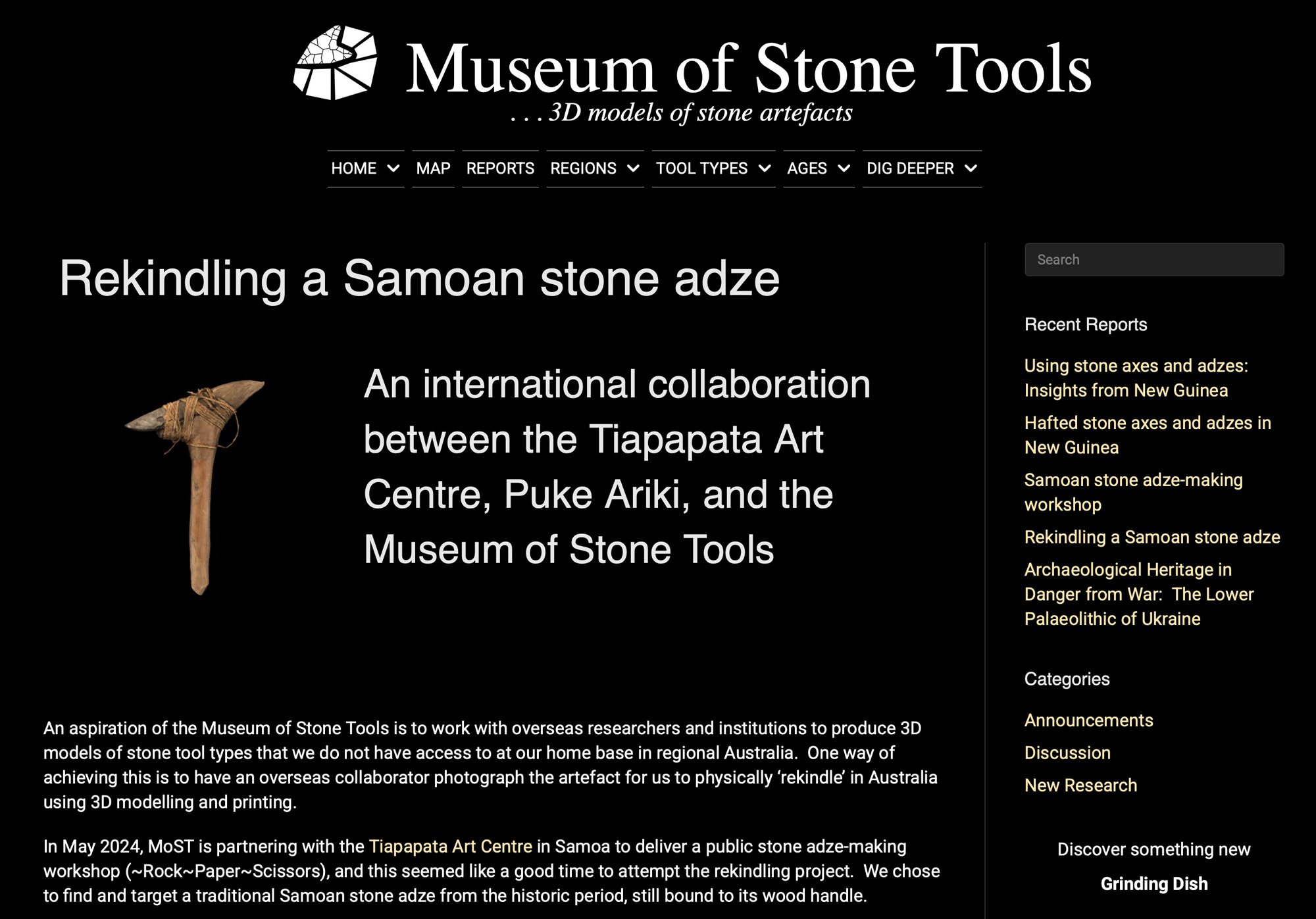
One of the most significant outcomes was an international collaboration with the Museum of Stone Tools and the Tiapapata Art Centre. The Museum of Stone Tools approached Puke Ariki after identifying a hafted Samoan stone adze in the museum’s collection and proposing a collaboration to create a 3D model for a public adze-making workshop in Samoa. Puke Ariki was the only museum to respond to the Museum of Stone Tools’ outreach, and I worked with Rosie Moyes to capture approximately 200 high-resolution photographs of the adze using the project team’s photogrammetry protocol.
The Museum of Stone Tools photogrammetry team processed the images into a detailed 3D model, despite challenges caused by the adze’s binding shifting slightly between photographs. The model was then used to create a 3D-printed physical replica in Australia, which travelled to Samoa as a reference object for a traditional adze-making workshop. The Museum of Stone Tools described the project as an example of how relatively simple, low-cost digital techniques can support education, outreach, and cultural revitalisation by improving access to difficult-to-reach cultural artefacts.
I later presented this collaboration at the 2025 National Digital Forum, using it as a case study in how accessible 3D imaging workflows can support heritage preservation, international collaboration, and cultural knowledge exchange. The project connected practical museum digitisation work with broader questions about access, replication, cultural revitalisation, and the role of digital tools in making collections more useful beyond the institution.