
50 Years of Clay: Ceramic Object Photography
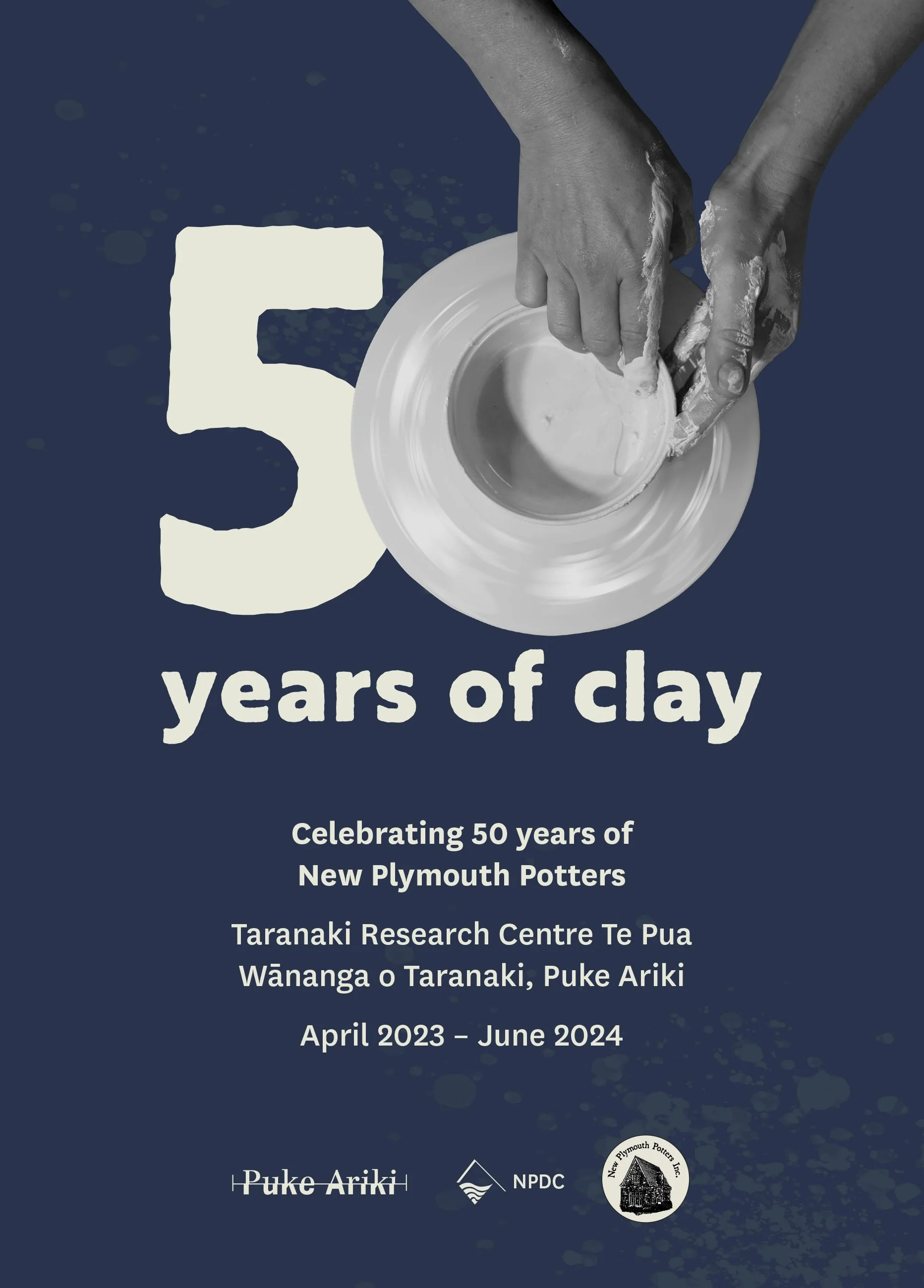
Exhibition booklet cover. Puke Ariki Museum.
Project: 50 Years of Clay ceramic photography
Exhibition: 50 Years of Clay
Location: Puke Ariki Museum and Te Pua Wānanga o Taranaki / Taranaki Research Centre, New Plymouth, Aotearoa New Zealand
Dates: April 2023 - June 2024
Role: Object photography, catalogue imagery, interpretation support, promotional content
Collaborators: Rosie Moyes, Puke Ariki exhibition and marketing teams
Media: Ceramic object photography, exhibition catalogue imagery, caption imagery, stop-motion promotional video
Tools / Methods: Studio photography, object lighting, image editing, catalogue preparation, stop-motion animation, promotional video production
Editorial object photography and promotional content for a Puke Ariki exhibition celebrating 50 years of New Plymouth Potters. Working with Rosie Moyes under a compressed production schedule, I helped photograph ceramic works for the exhibition catalogue, captions, and interpretation, and created a playful stop-motion video for marketing.
50 Years of Clay celebrated the 50th anniversary of New Plymouth Potters, a long-running local ceramics group based at Te Henui Vicarage. The exhibition featured work by 24 artists and brought together supreme award-winning ceramics from annual New Plymouth Potters exhibitions, including works collected by Puke Ariki from 1989 to 2003 and later winning works loaned to complete the selection through to 2023. The ceramics were displayed across Te Pua Wānanga o Taranaki / Taranaki Research Centre and the main foyer of the museum, with an accompanying exhibition catalogue exploring the history of the club and the potters behind the works.
Three wise monkeys revisited (2020). Rick Wood. electric fired stoneware. Private collection
For this project, my role was focused on photography, image production, and digital support. Working with Rosie Moyes, I helped photograph the ceramic works for use in the exhibition catalogue, captions, interpretation, and related promotional material. While the exhibition itself was relatively modest in scale, the photography presented a focused technical and logistical challenge: producing consistent, editorial-quality object images of ceramic works across a very compressed production window.
Because the catalogue required strong, cohesive imagery, each object needed to be photographed with careful attention to form, texture, glaze, colour, scale, and shadow. Ceramic photography can be deceptively demanding, particularly when working with reflective surfaces, irregular shapes, subtle tonal variation, and three-dimensional objects that need to read clearly in print. With limited time available, the shoot required an efficient studio workflow that could maintain a high visual standard across a large group of works.
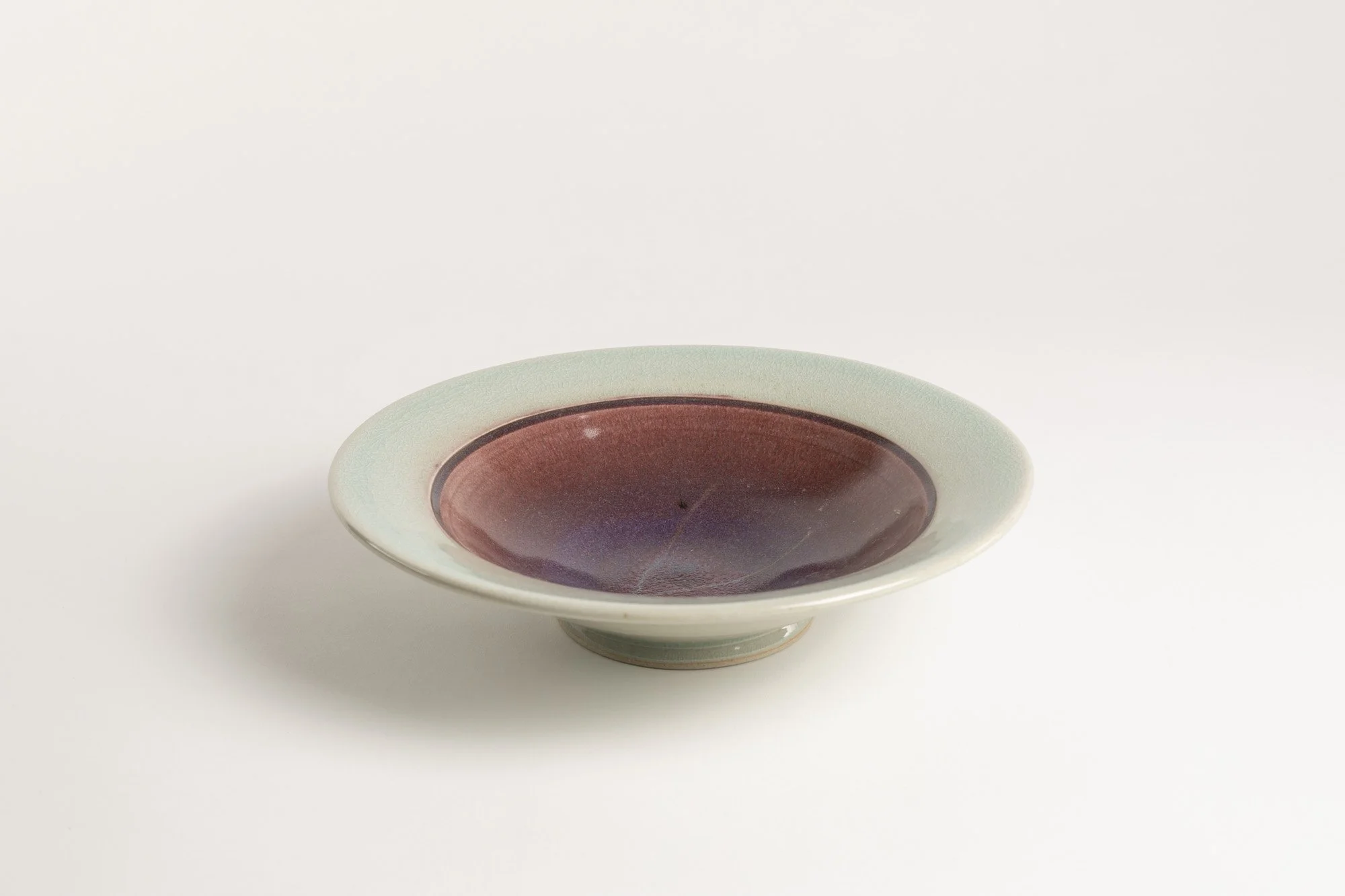
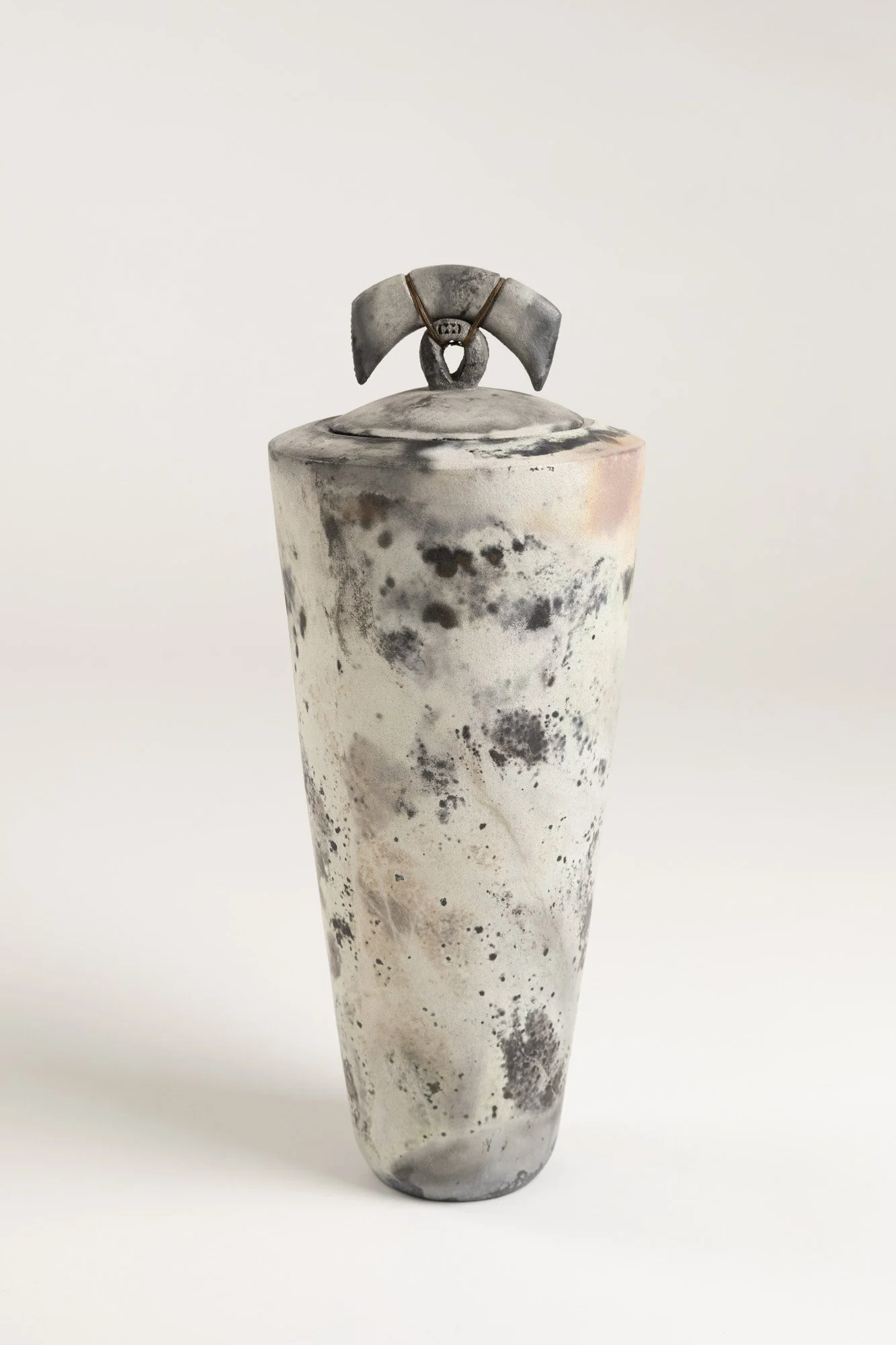
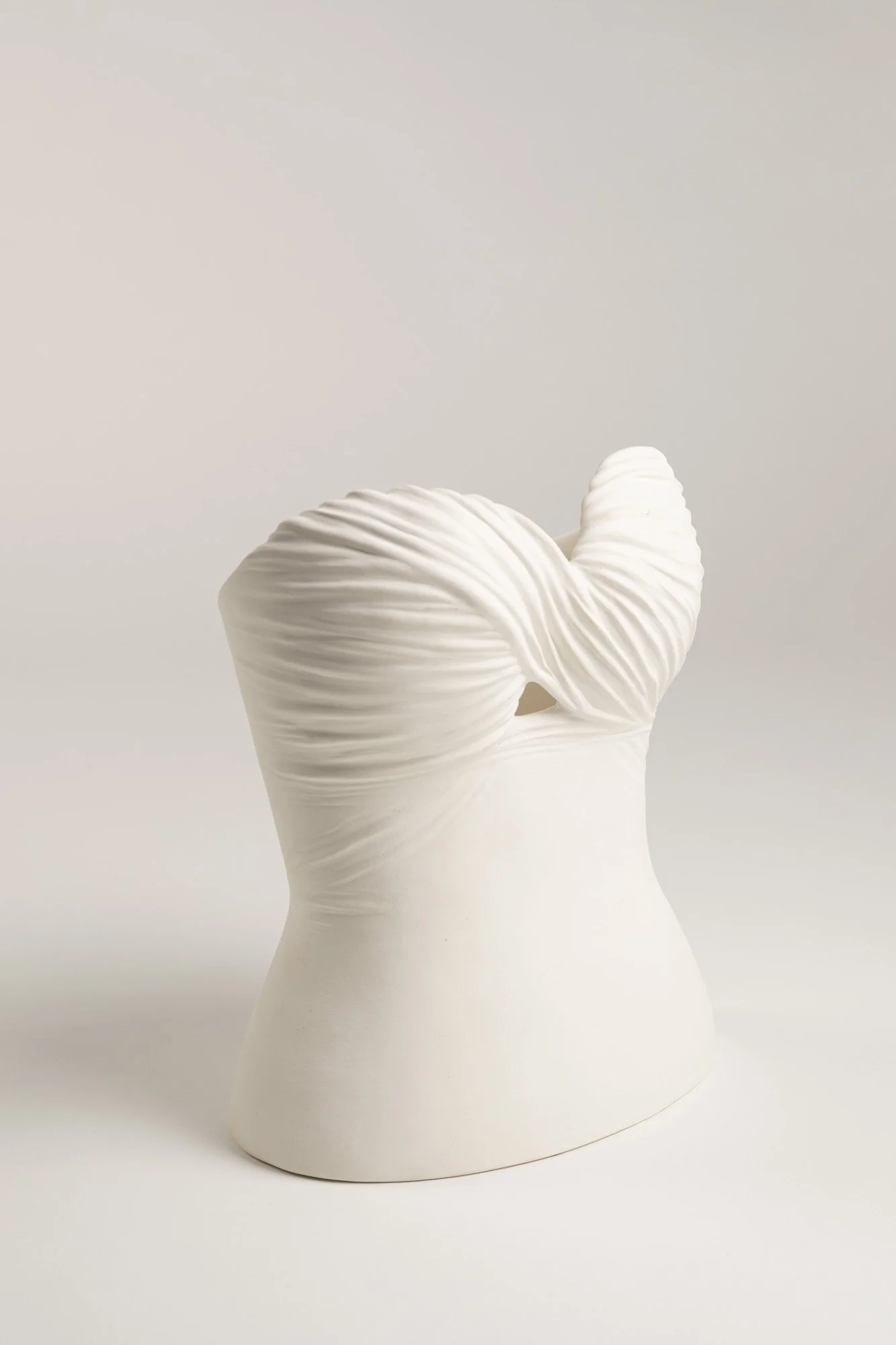
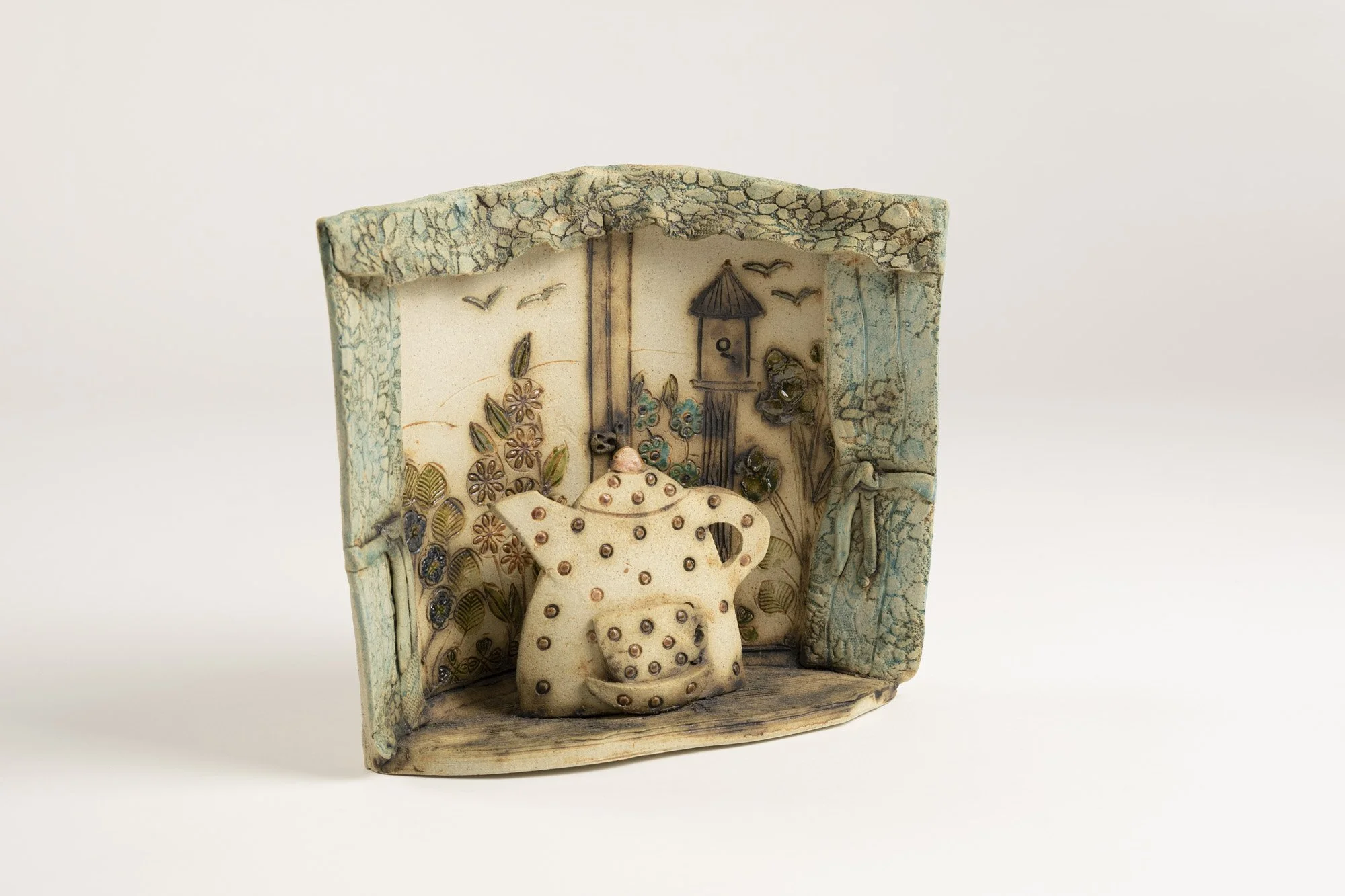
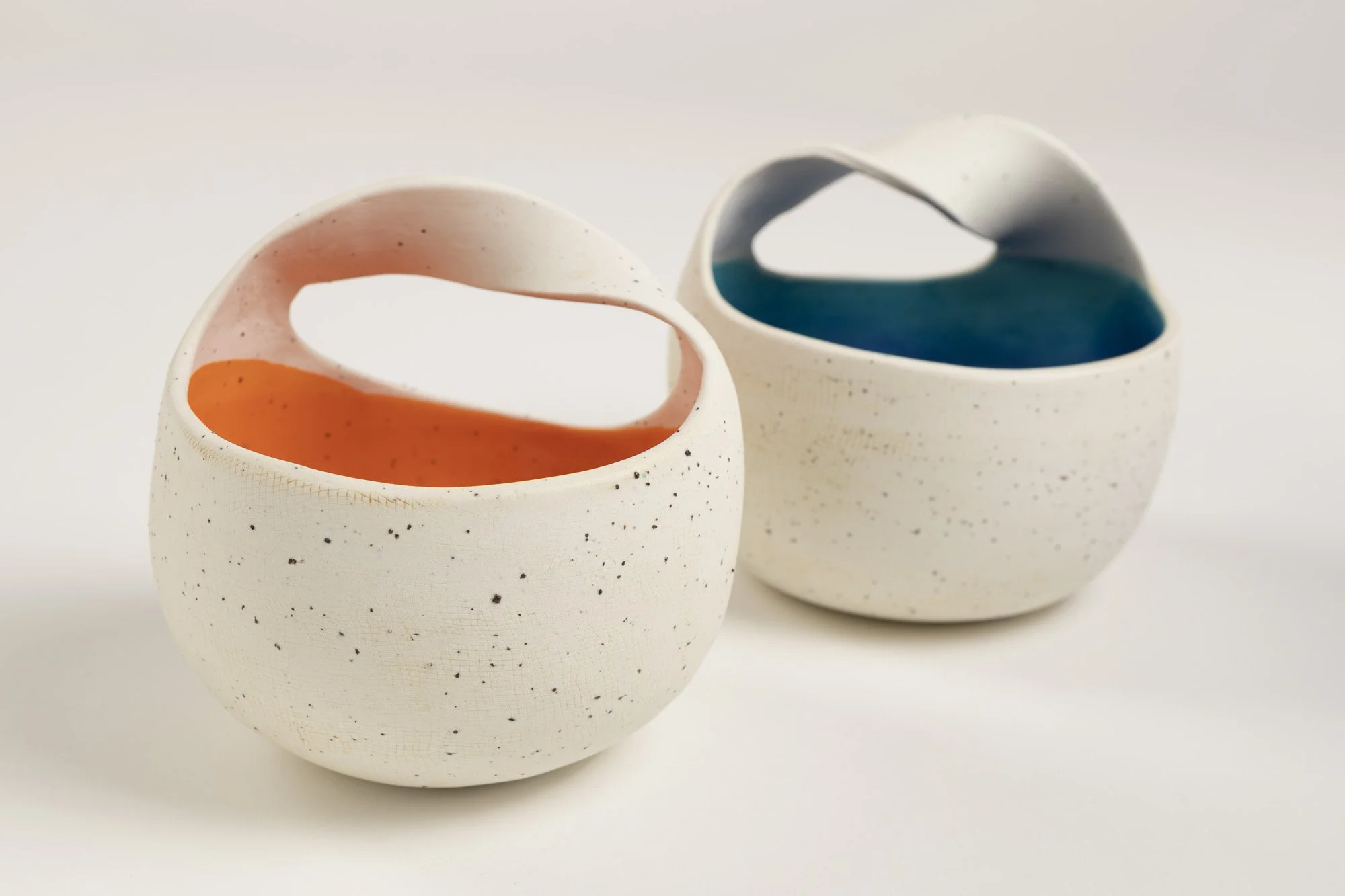
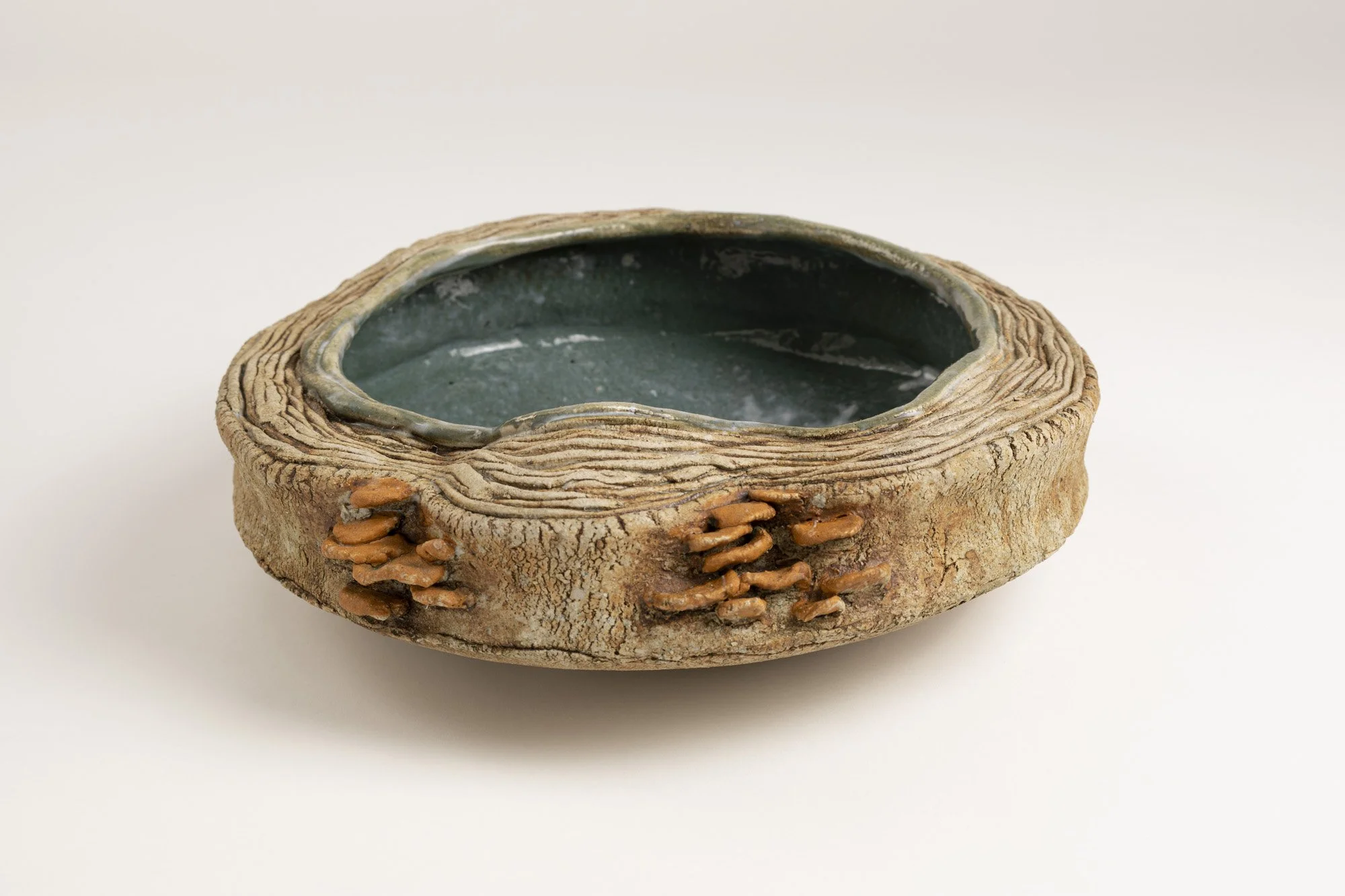
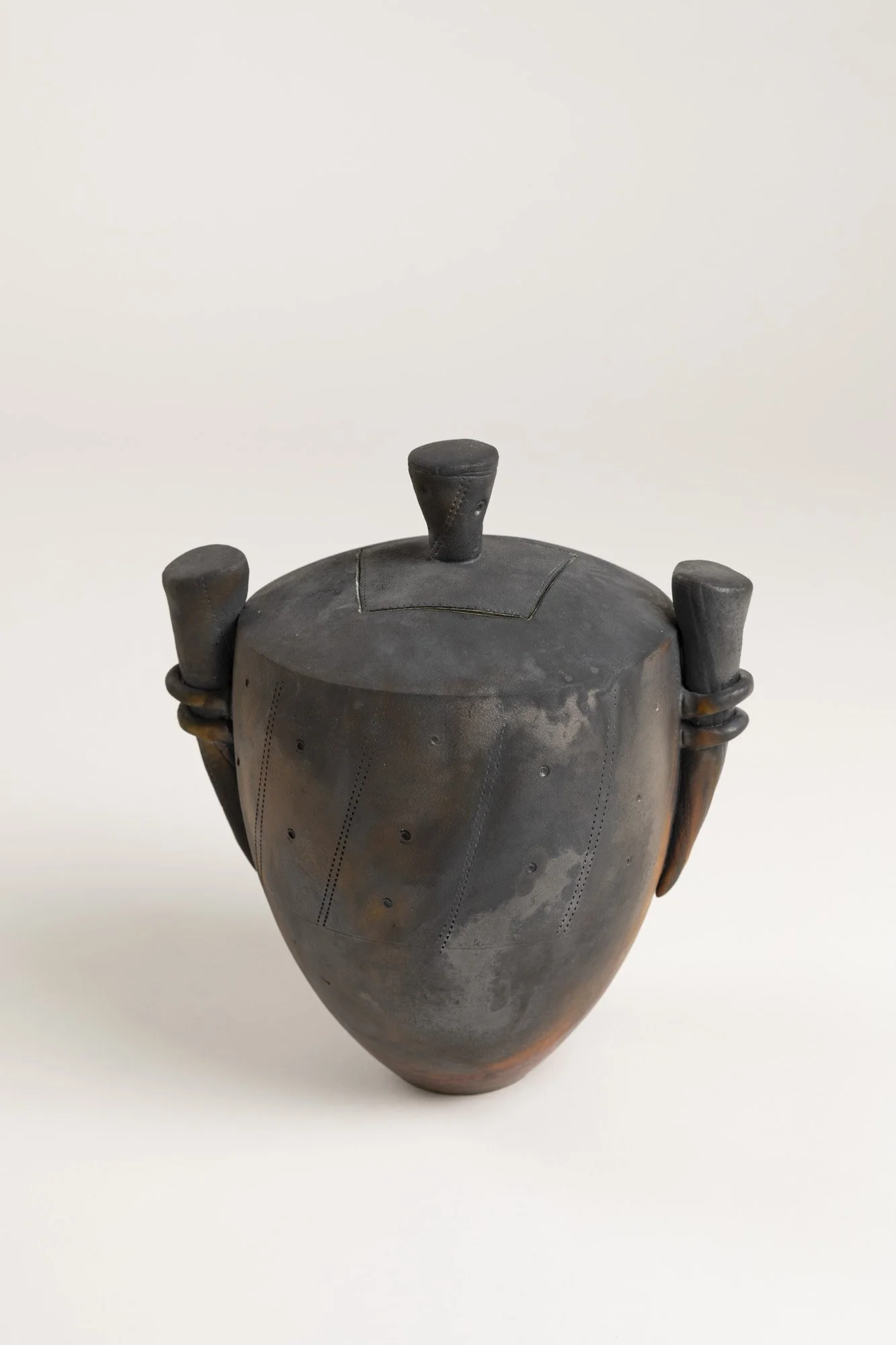
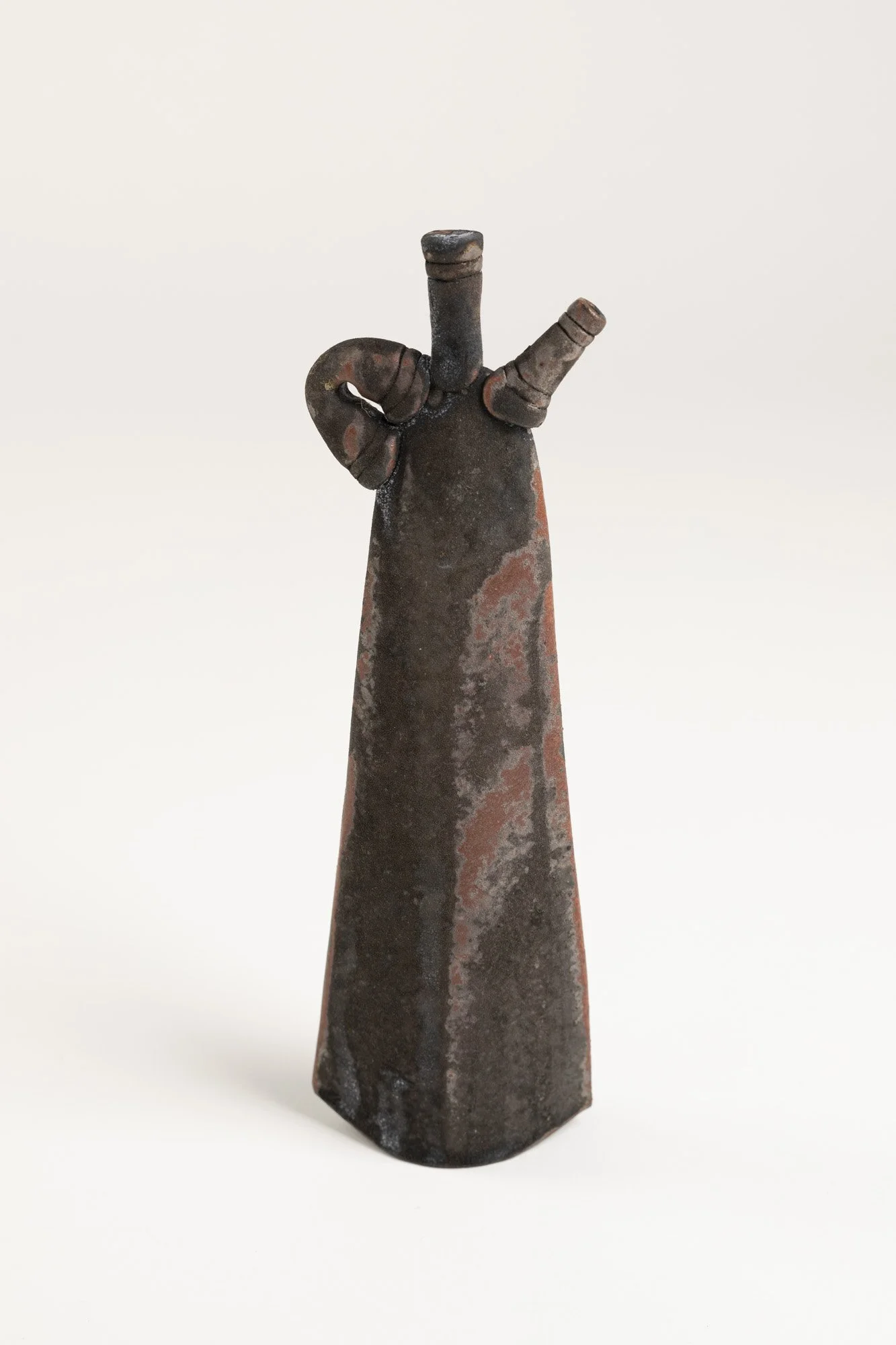
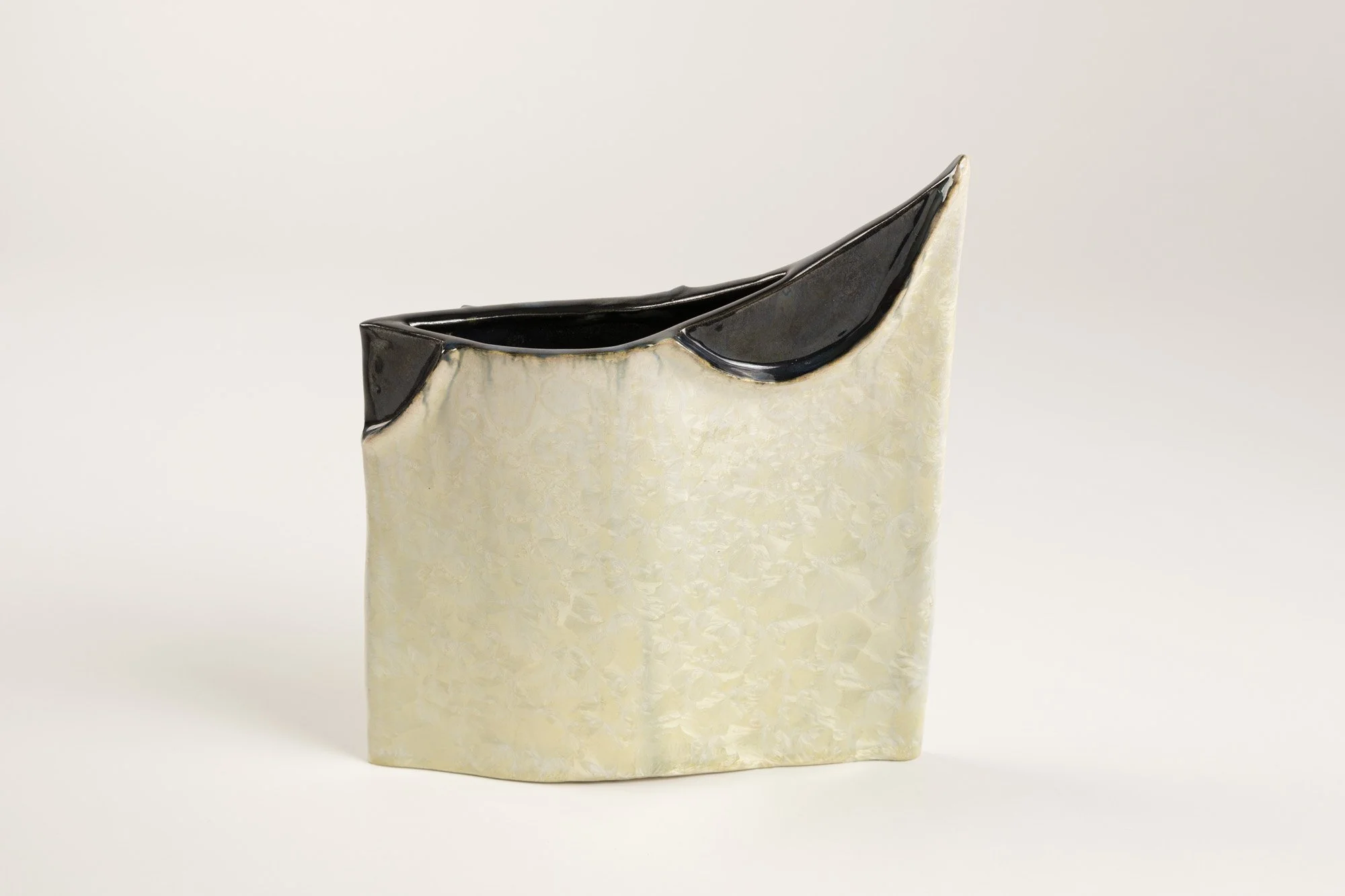
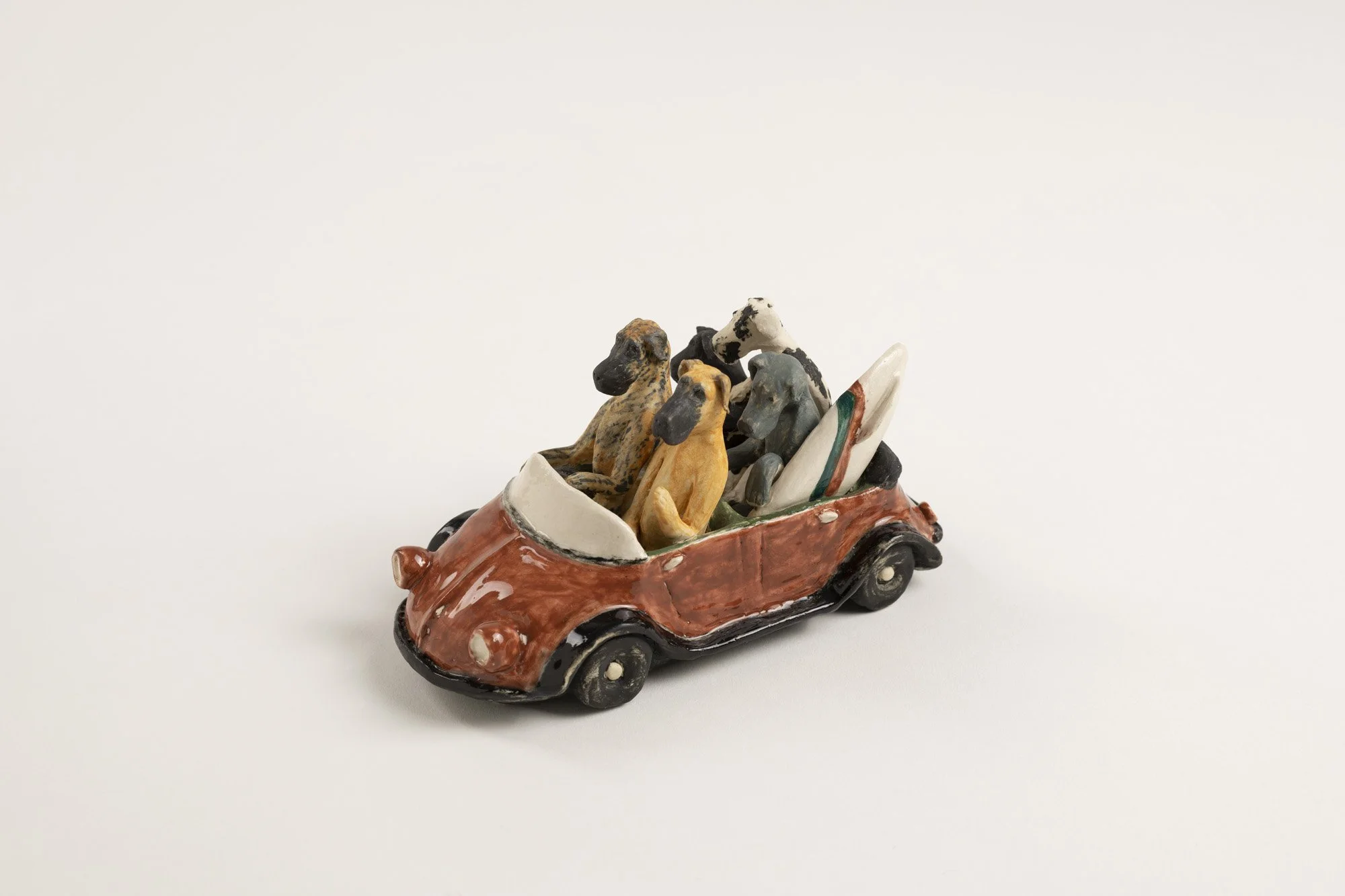
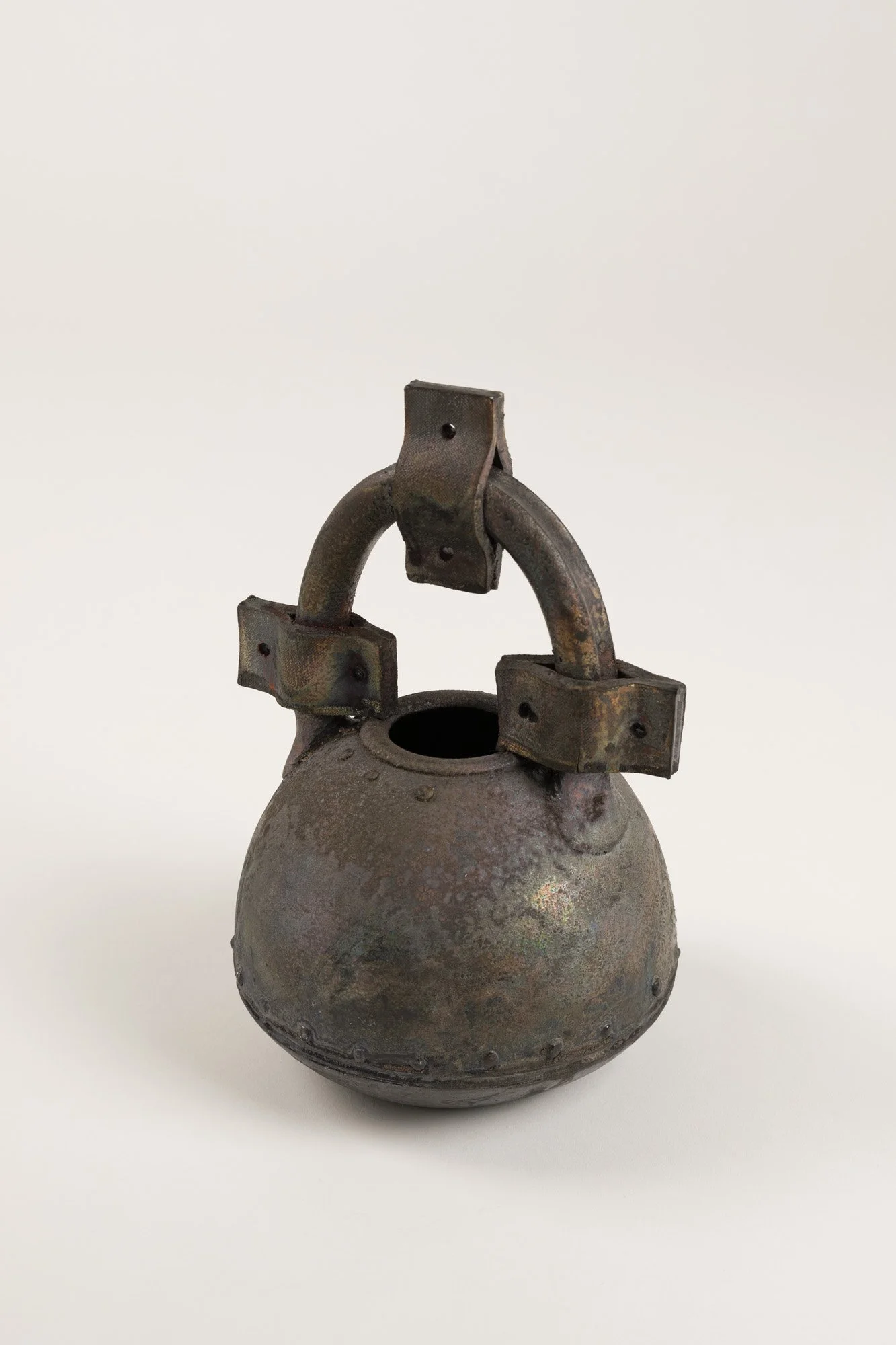
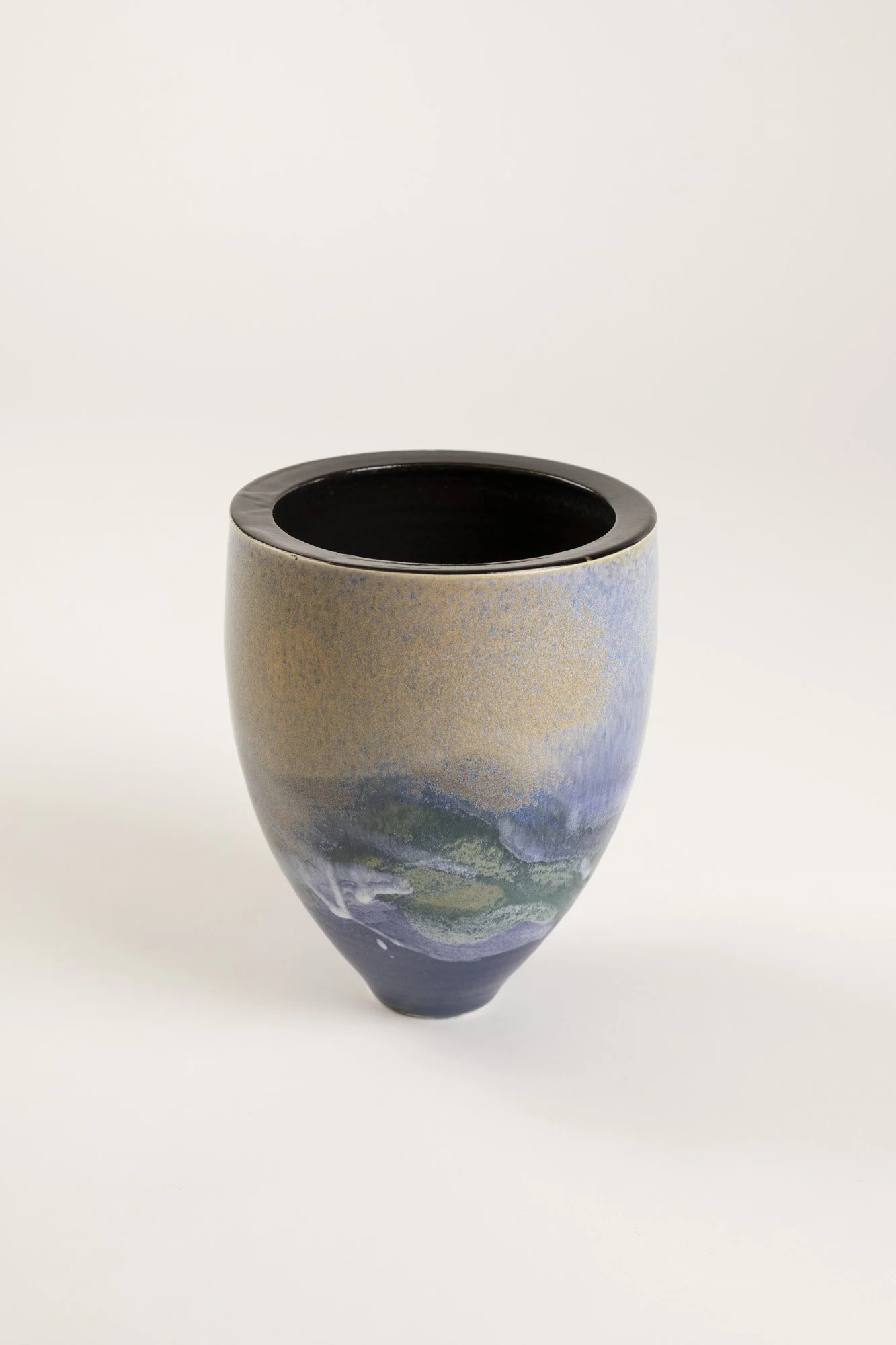
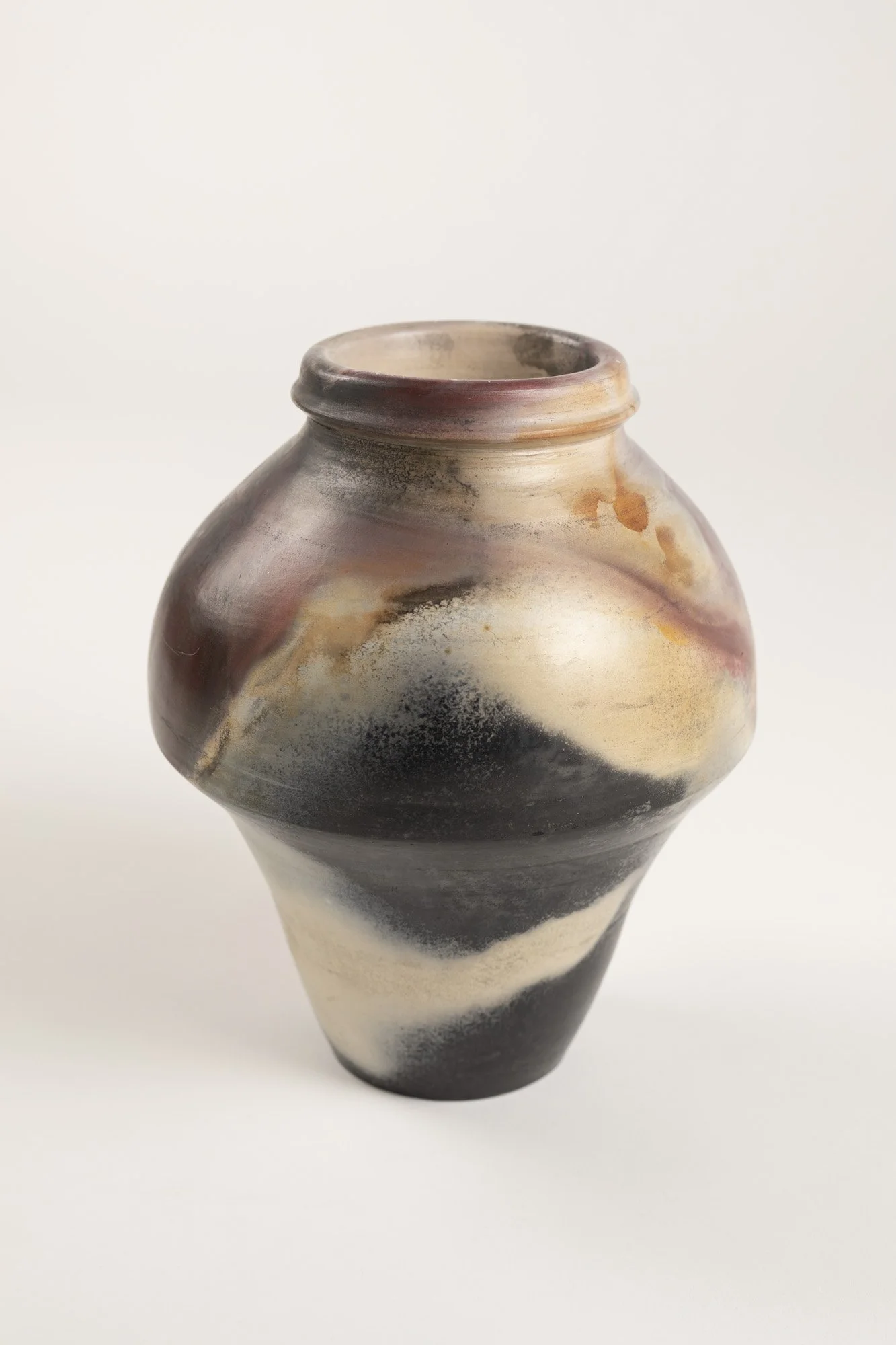
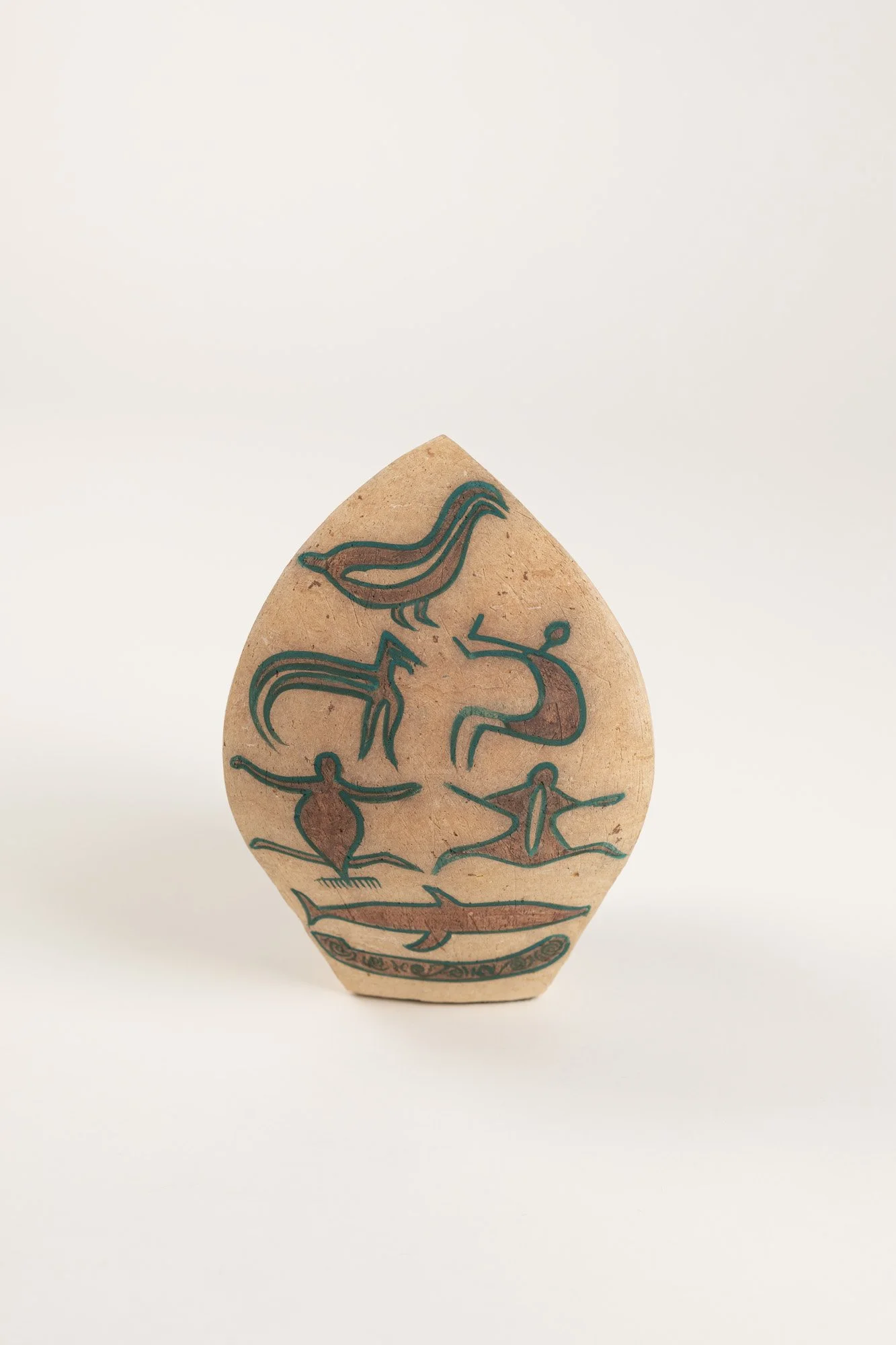
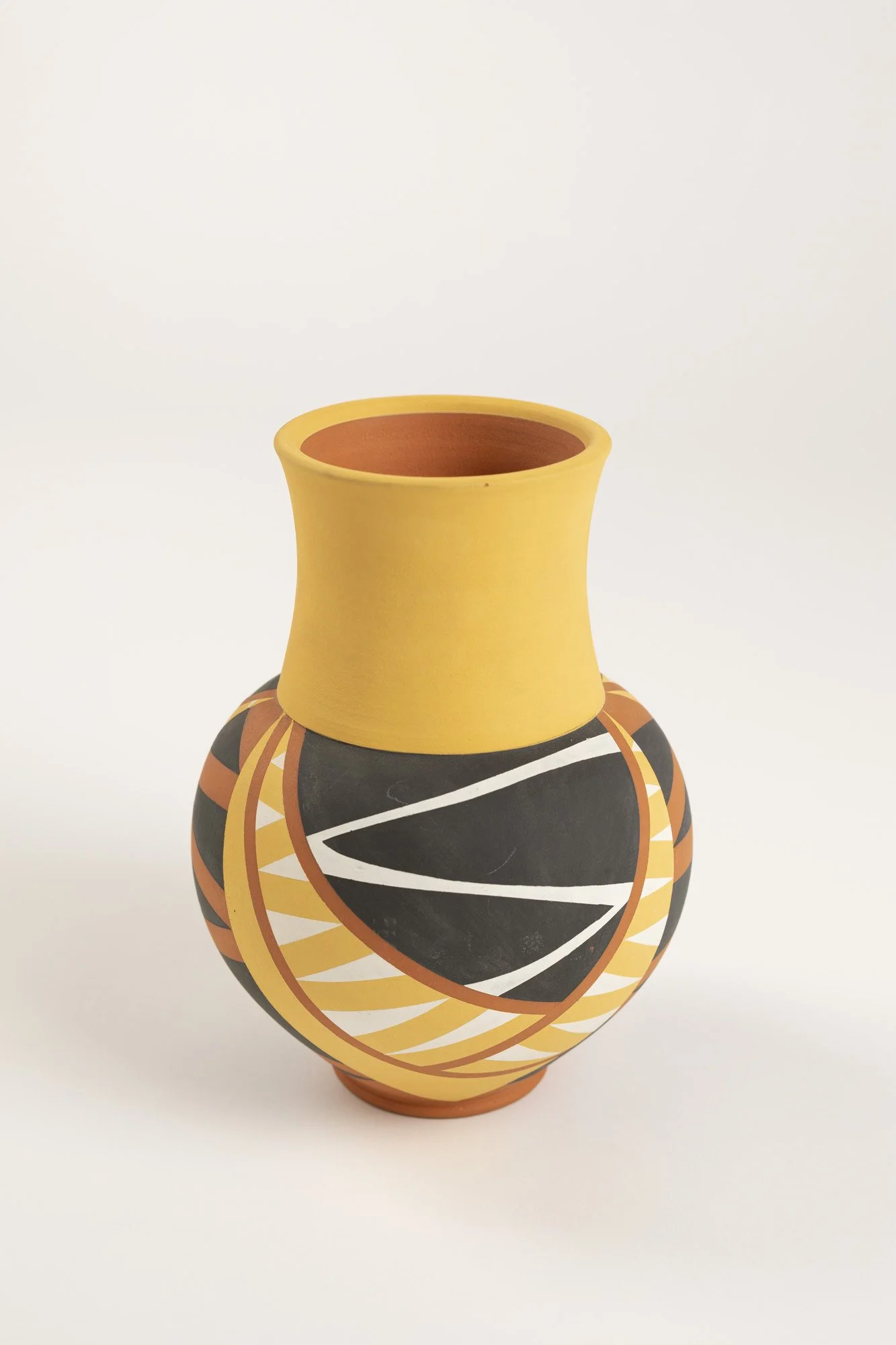
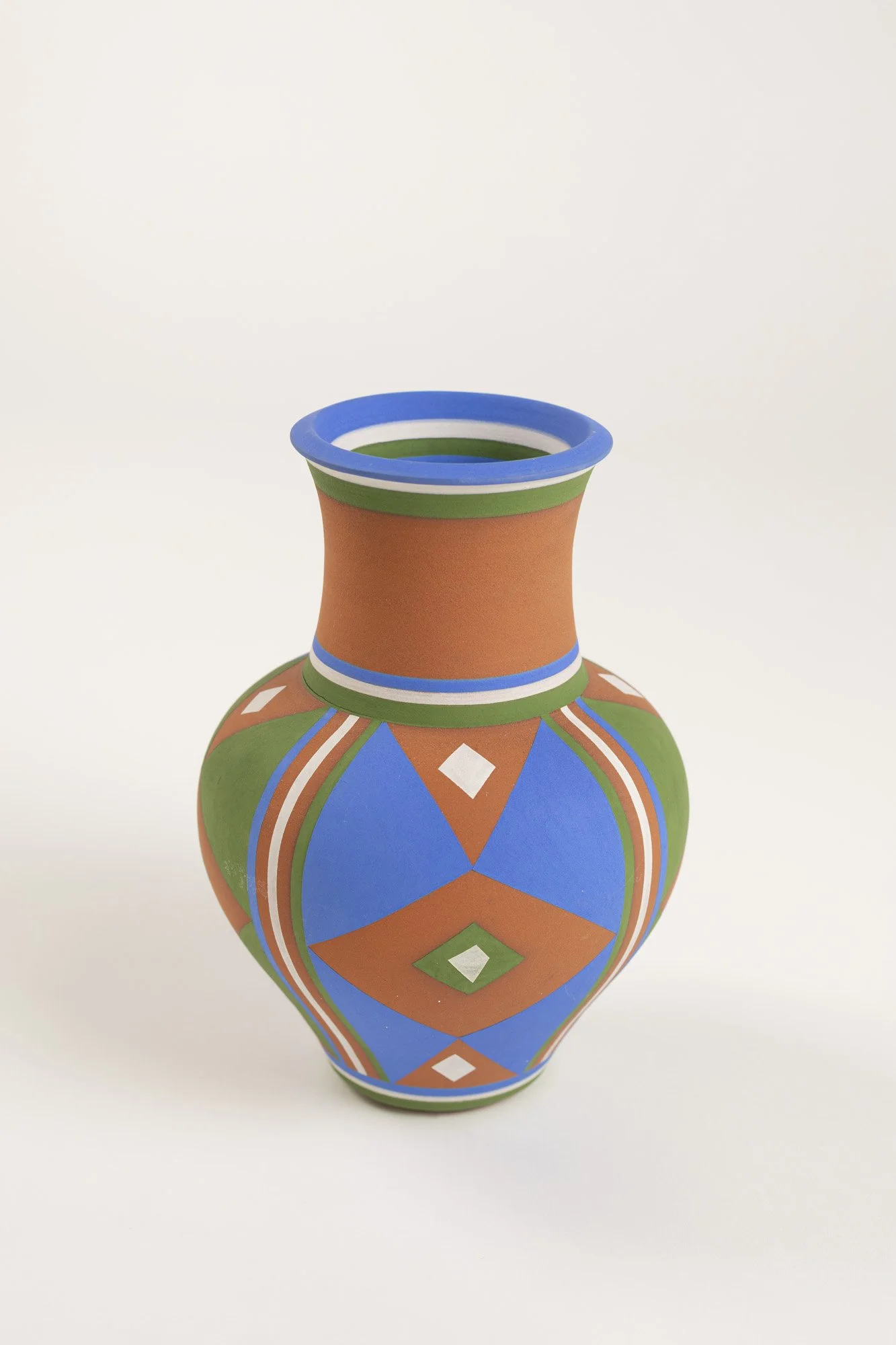
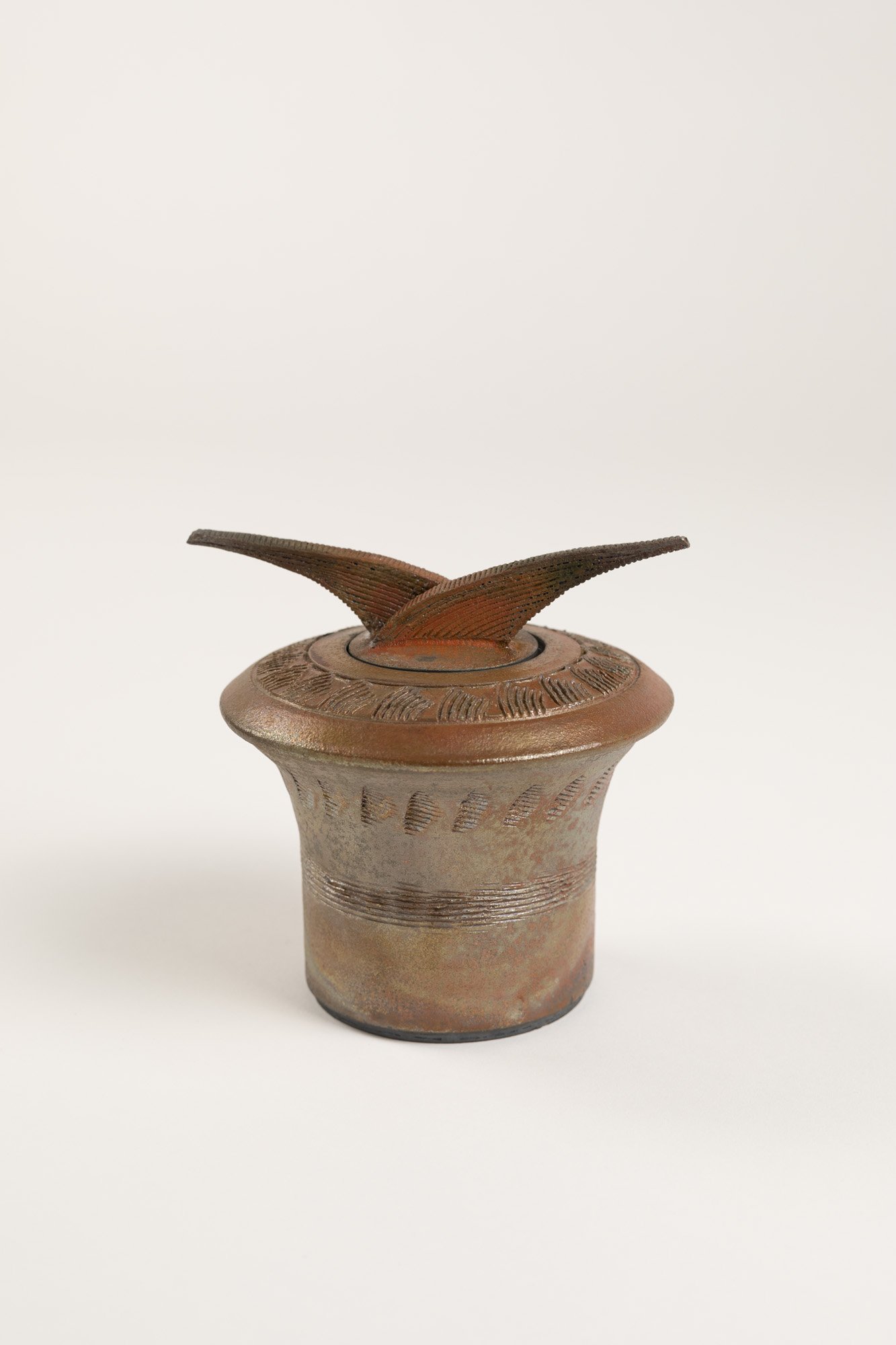
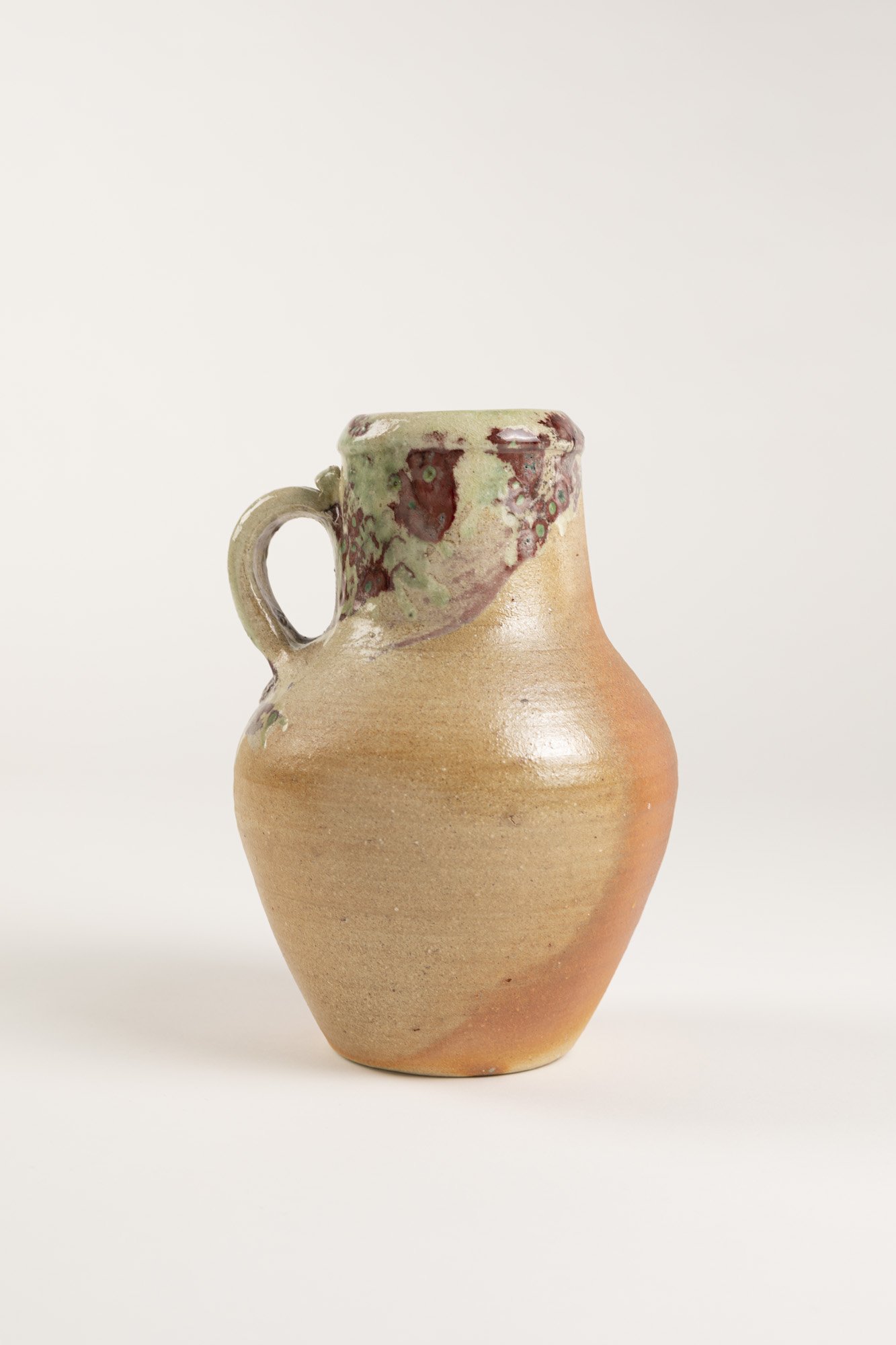
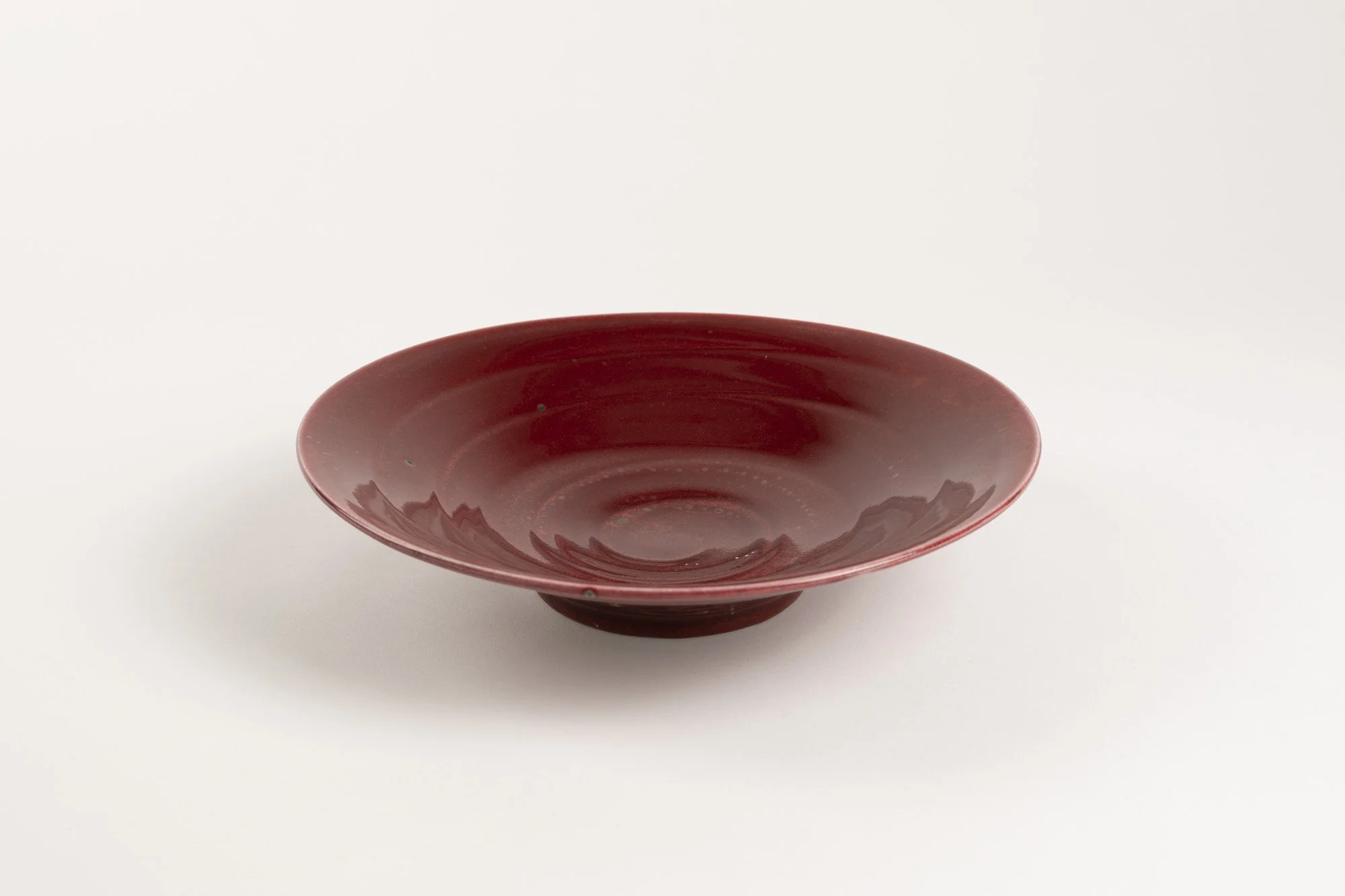
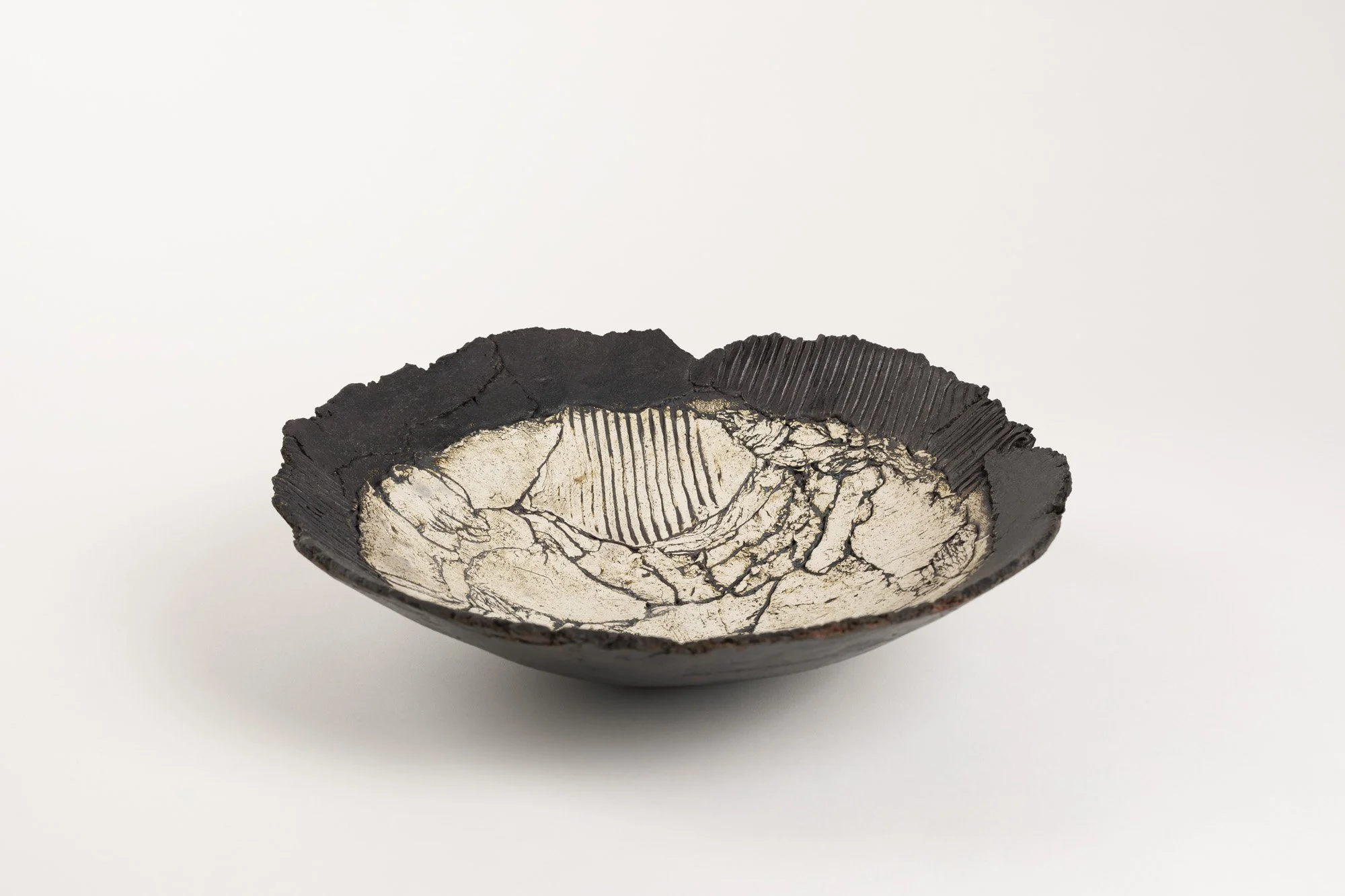
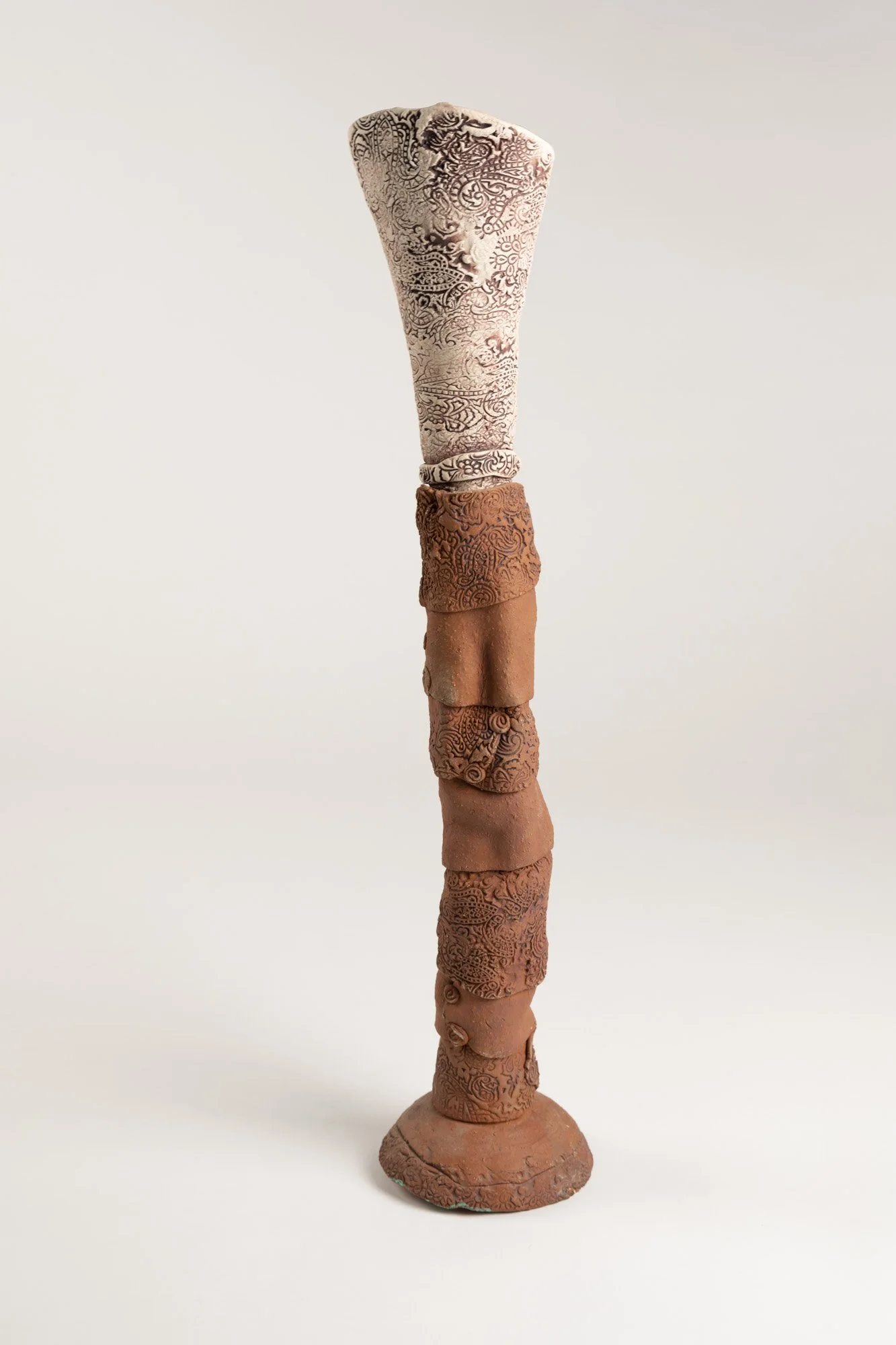
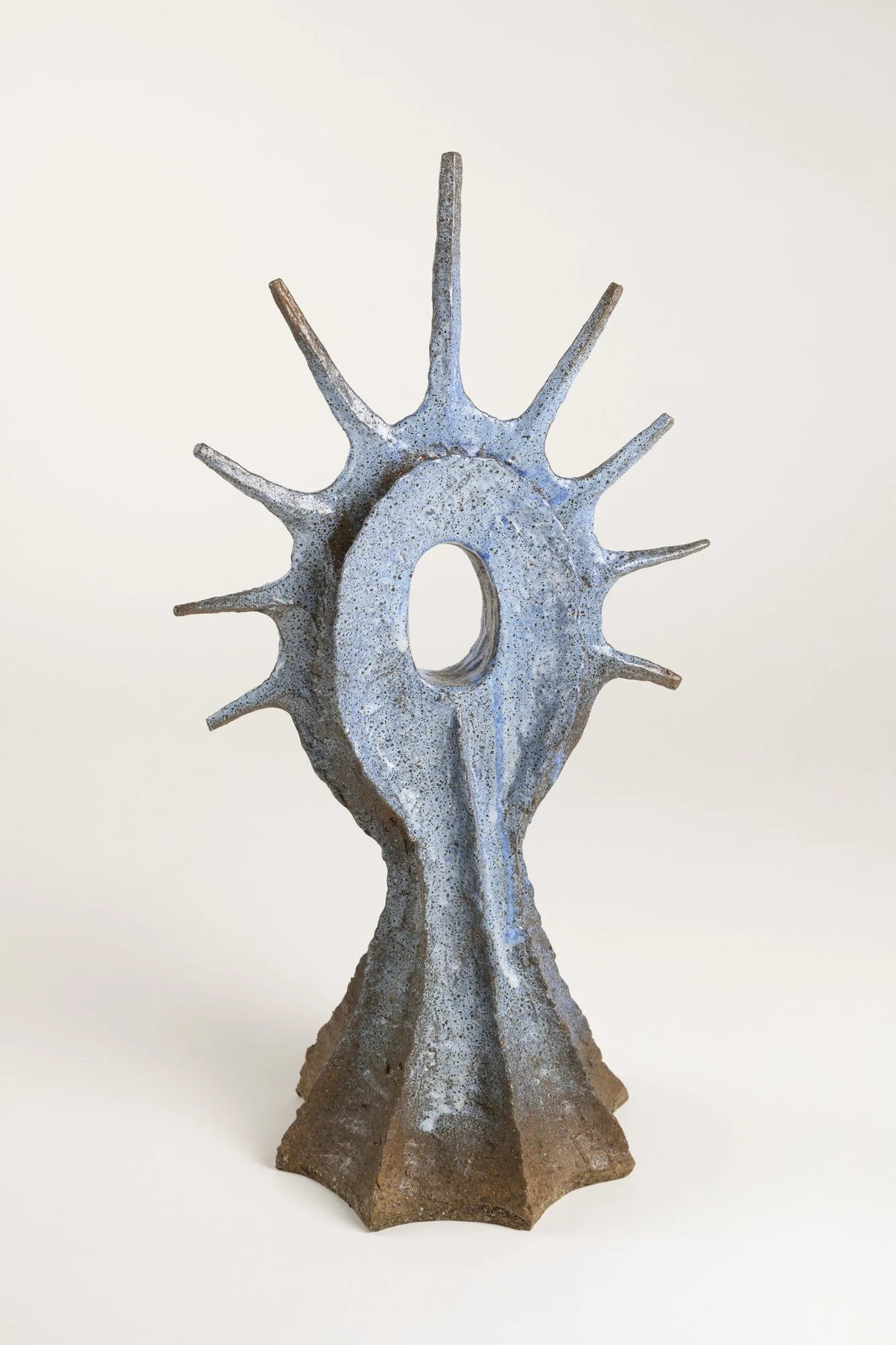
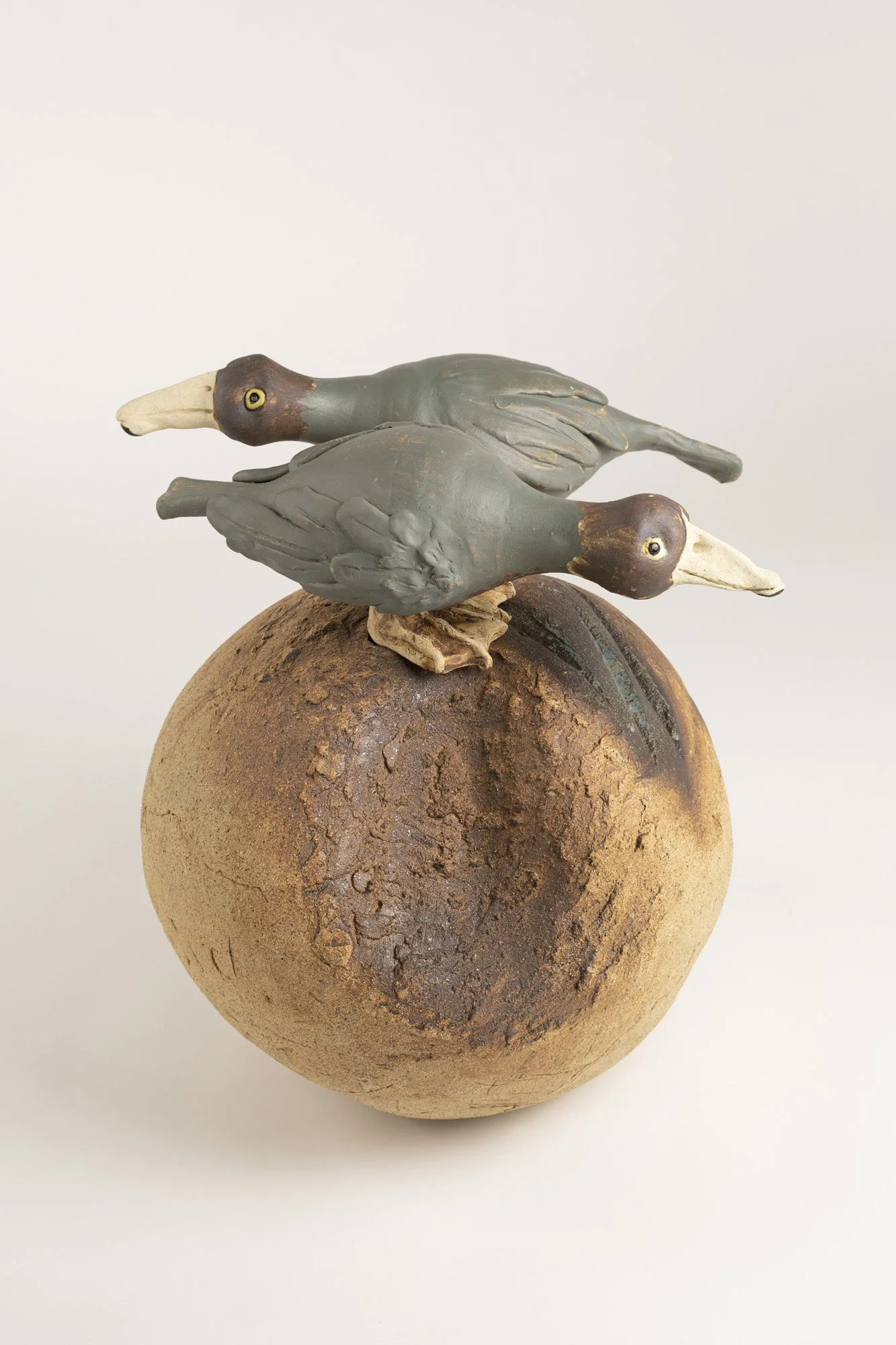
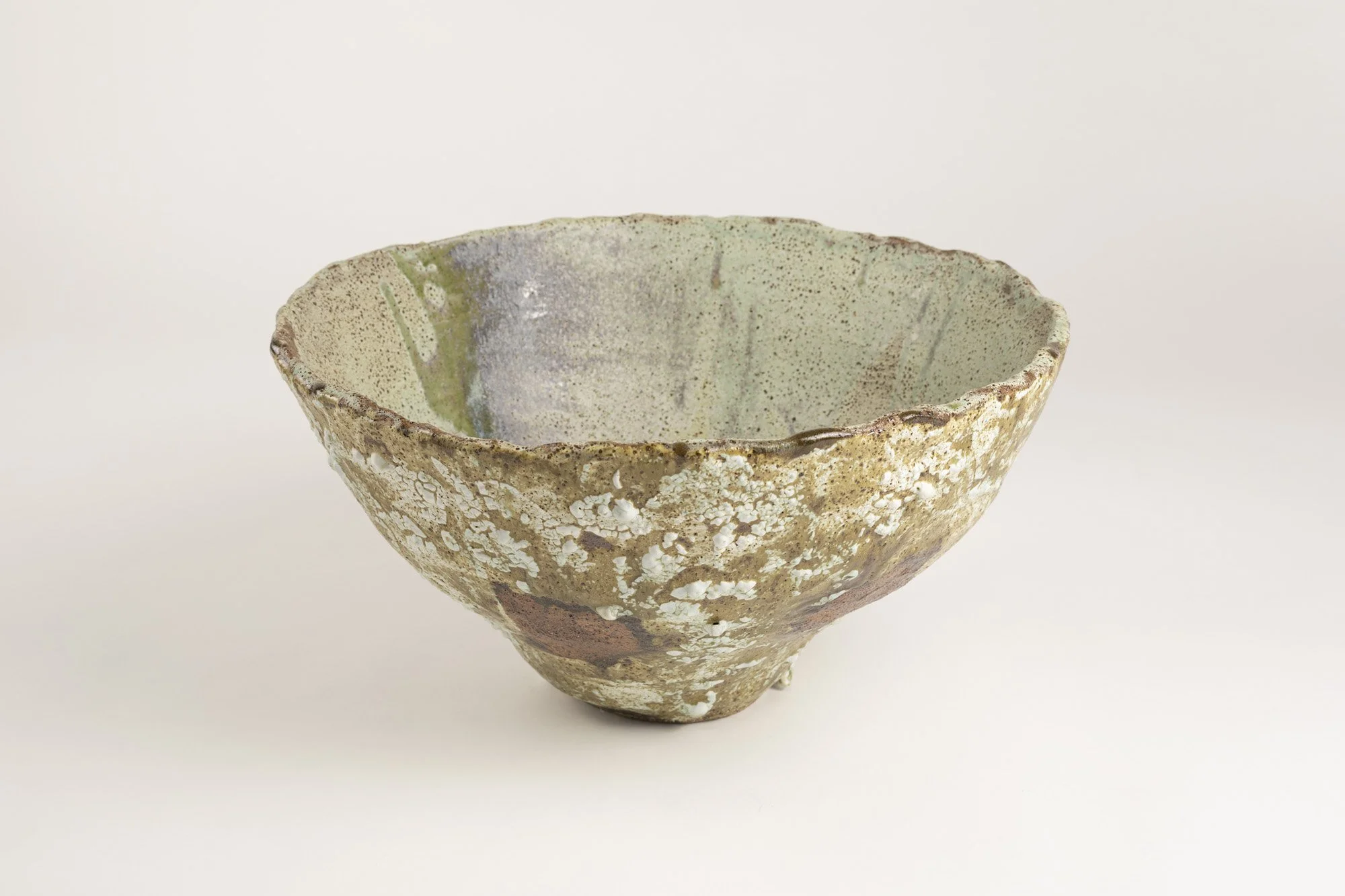
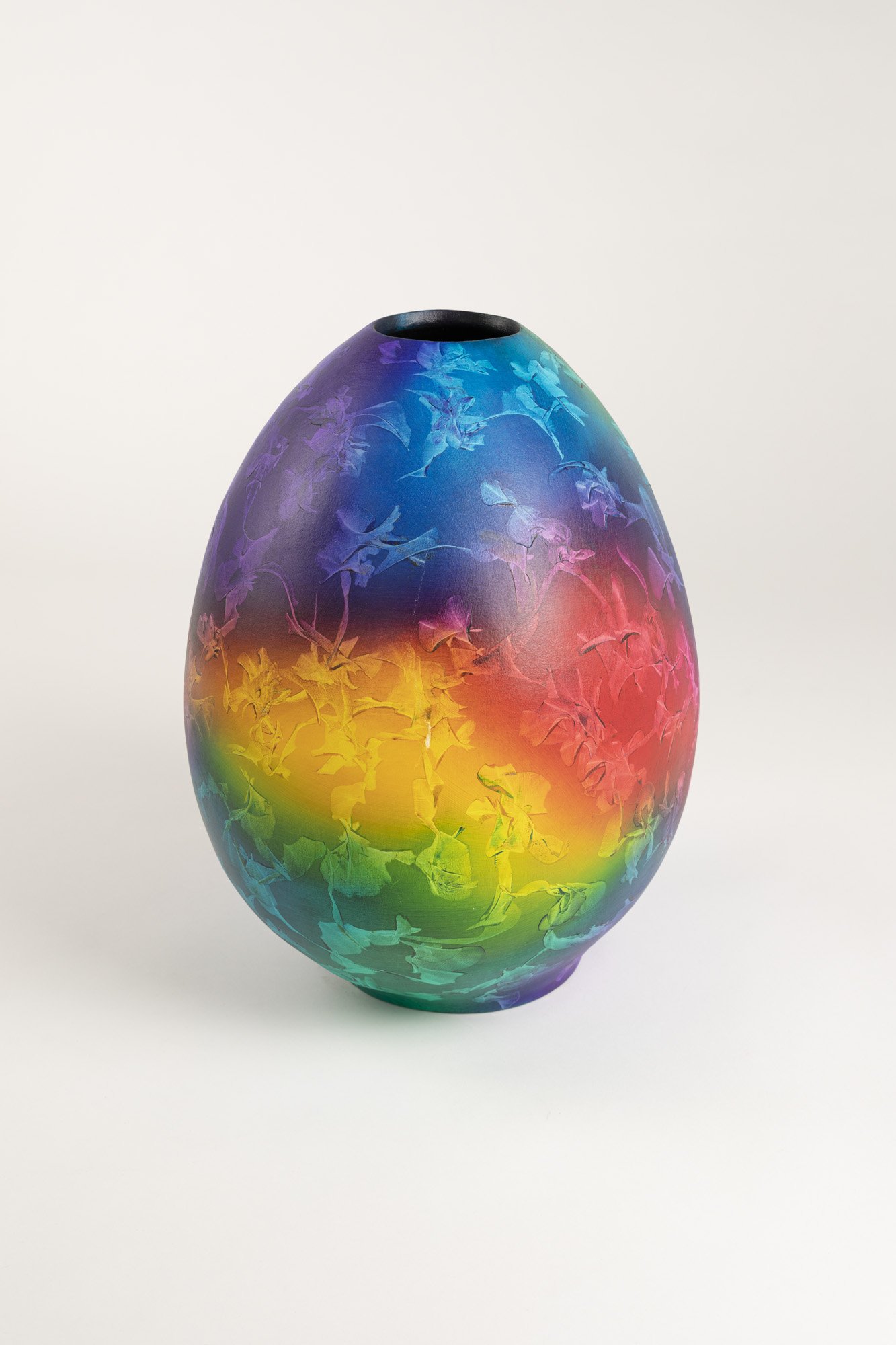
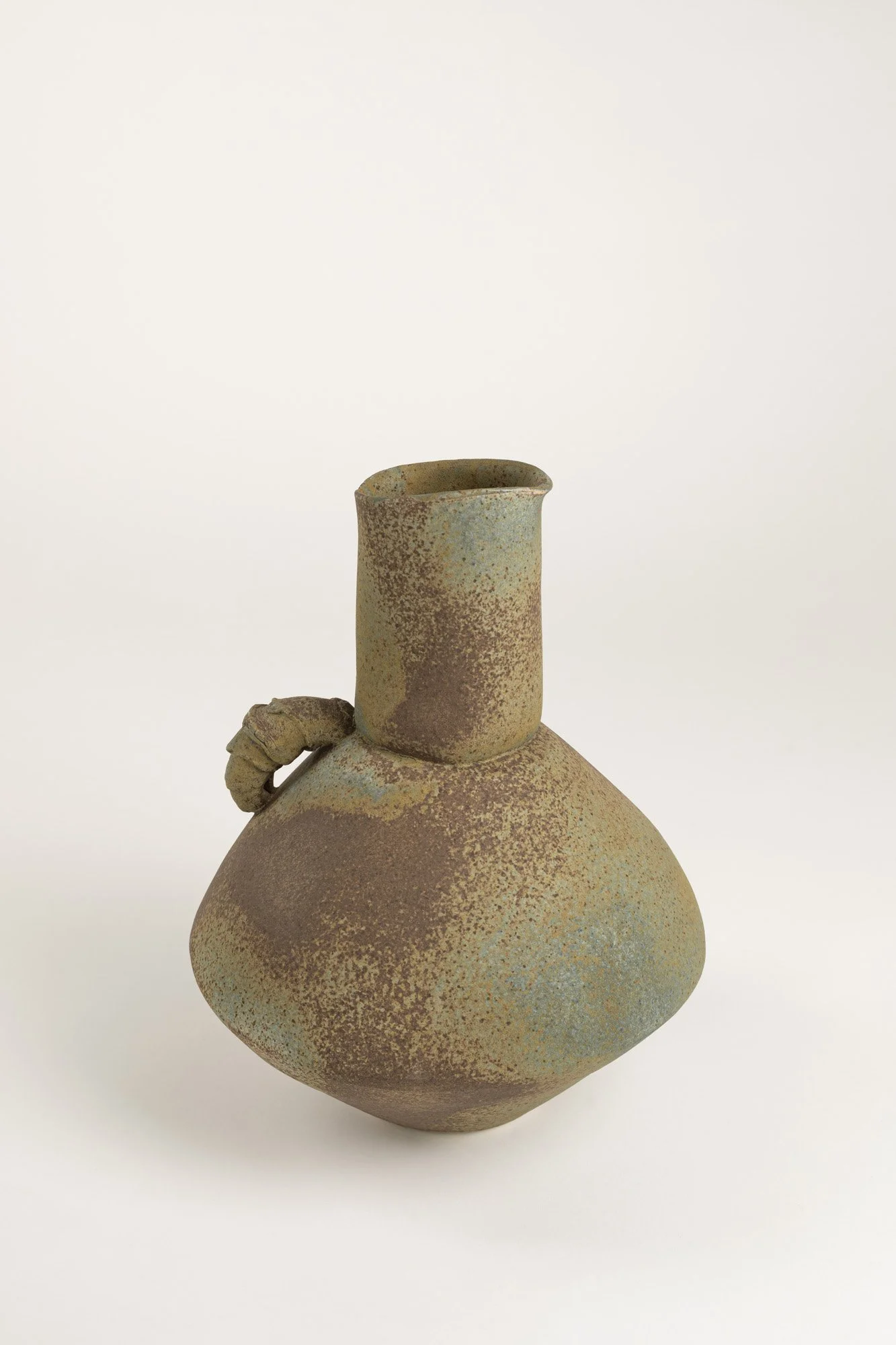
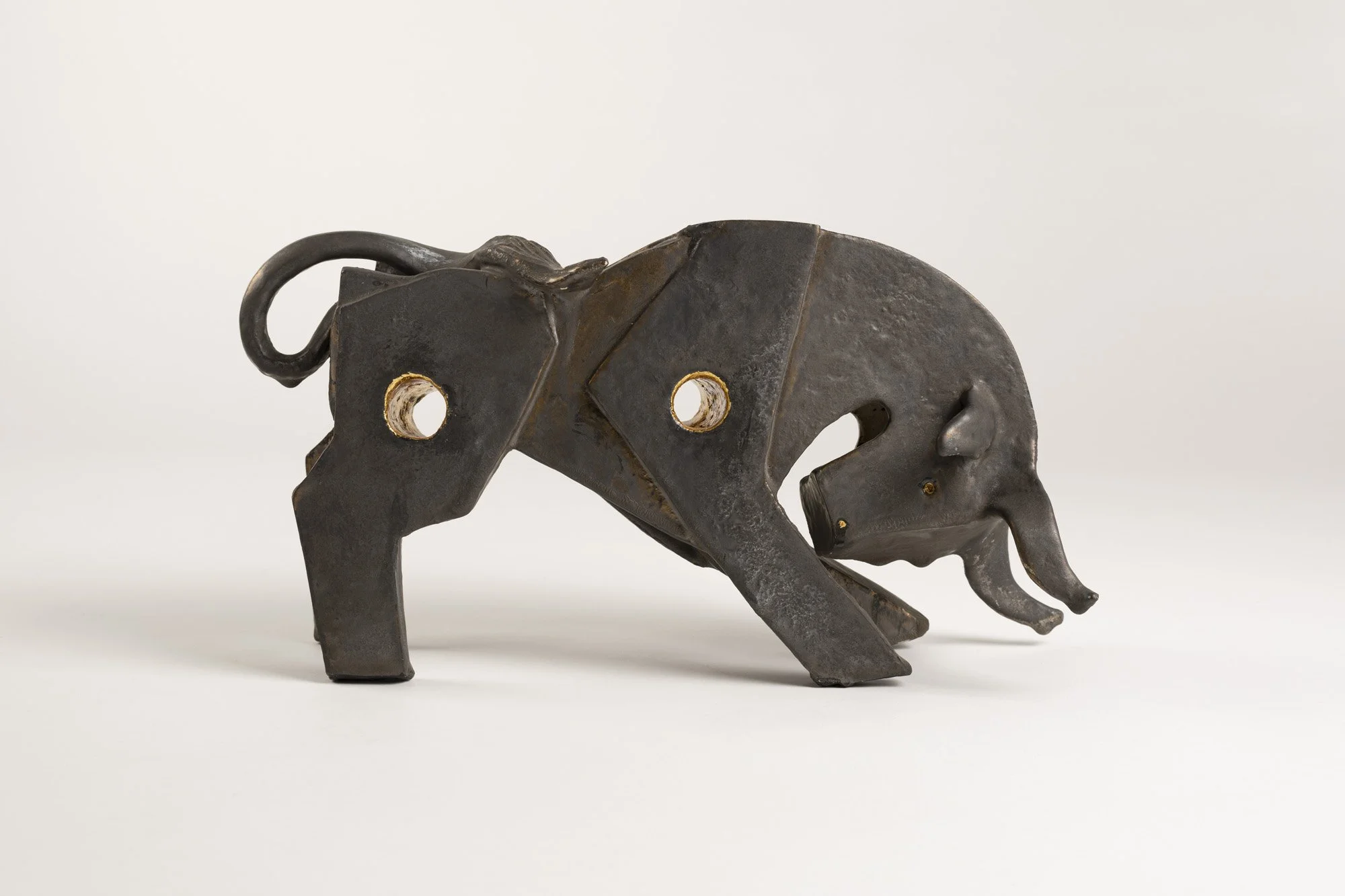
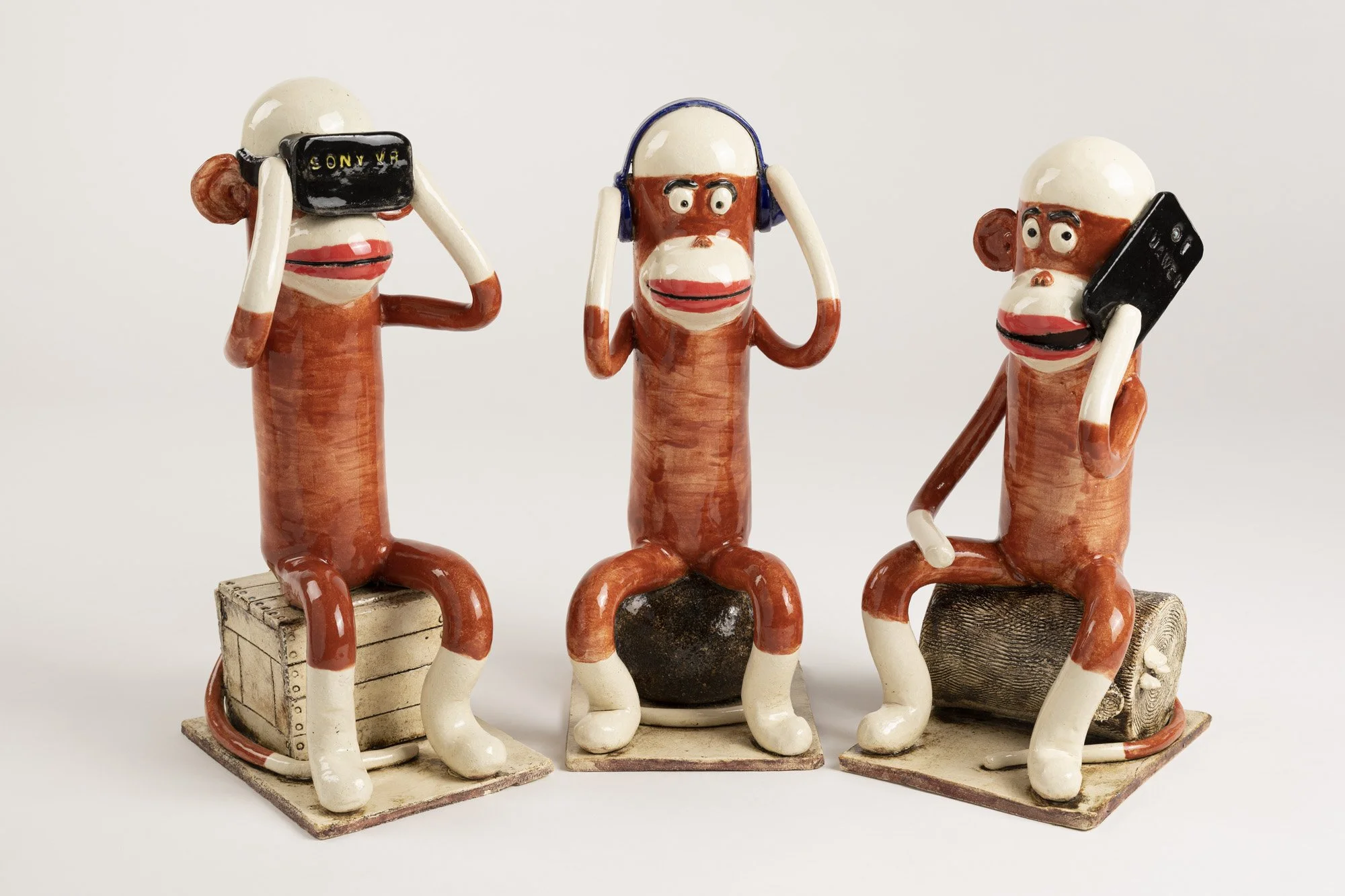
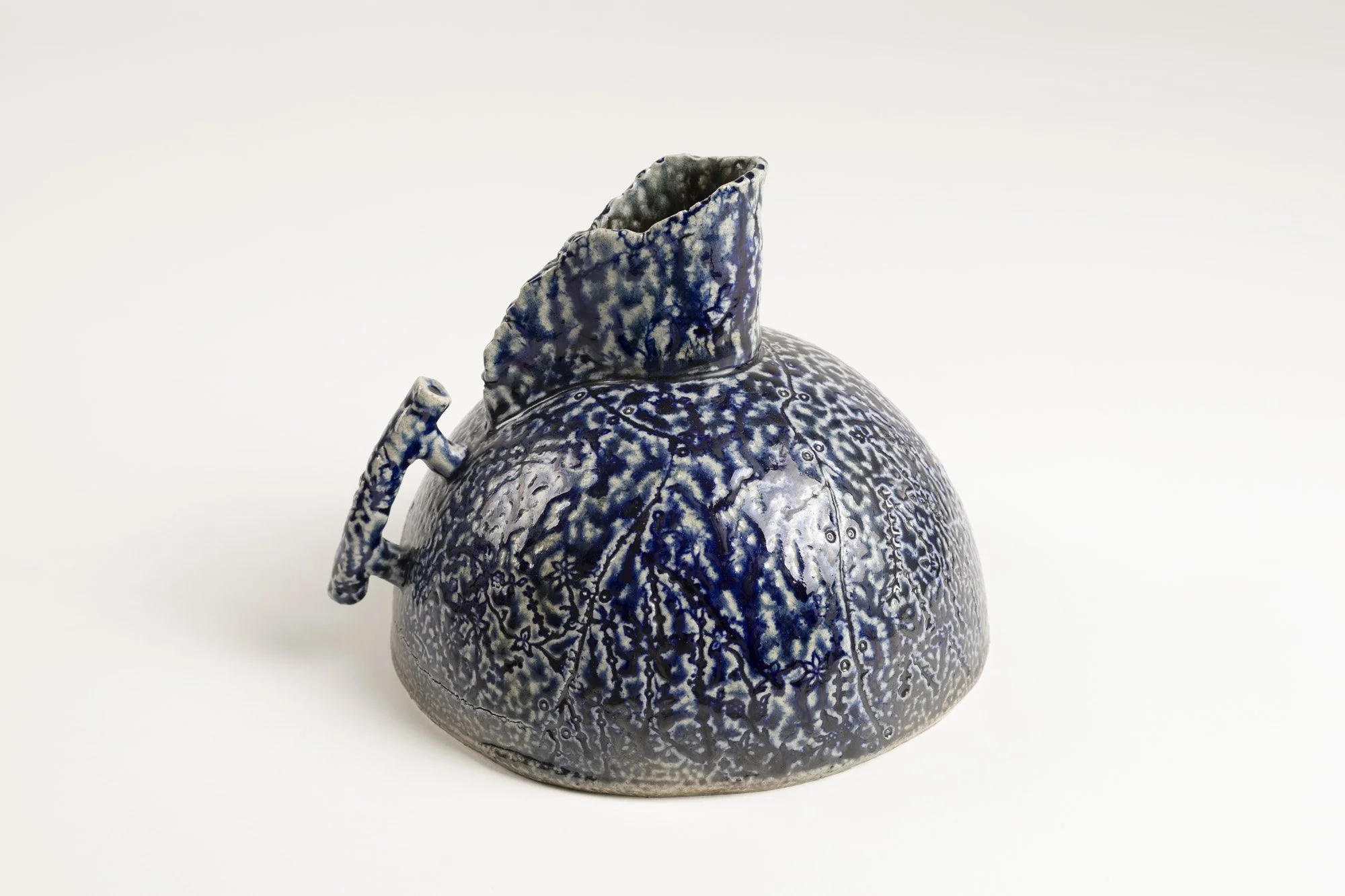
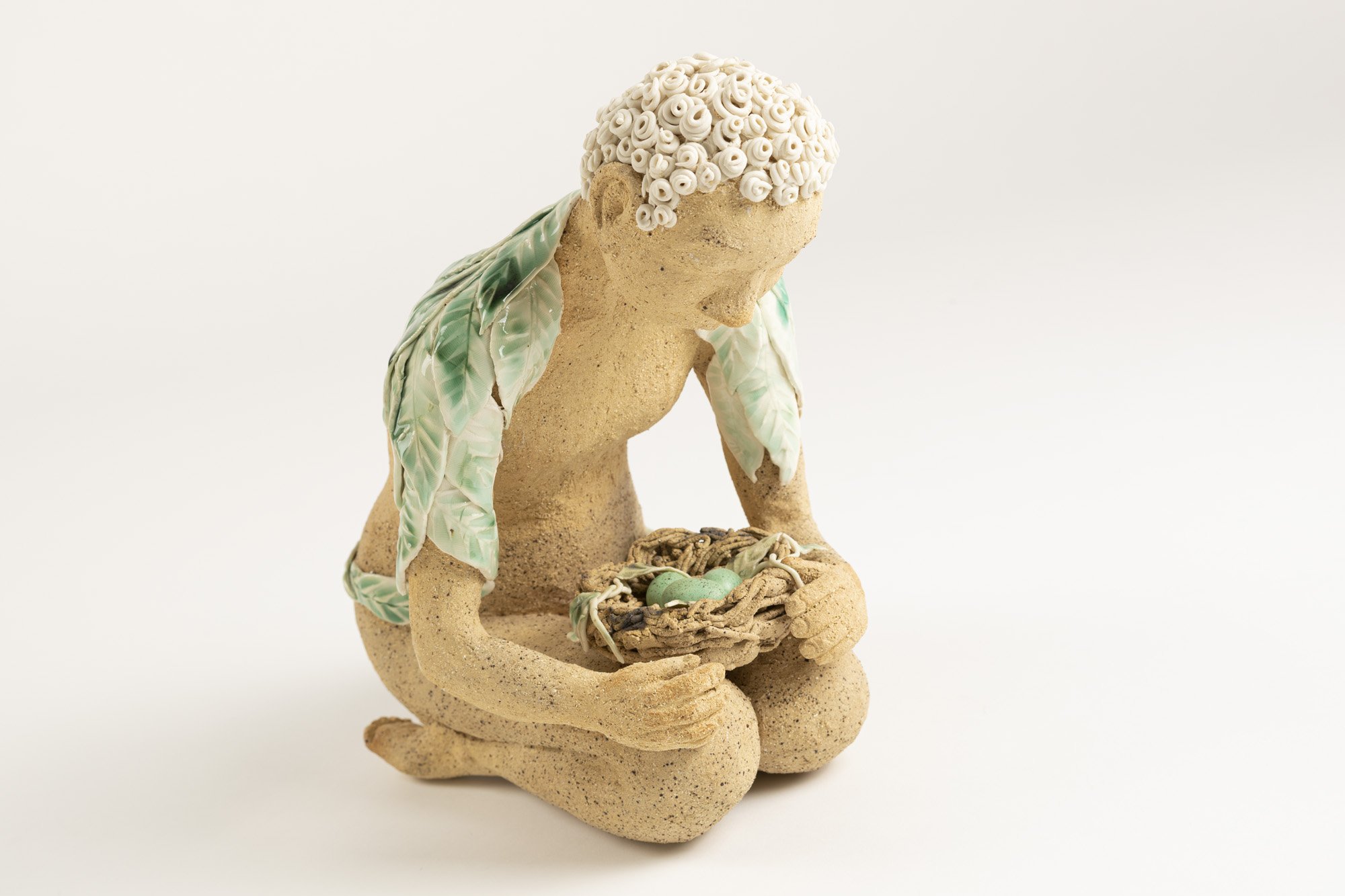
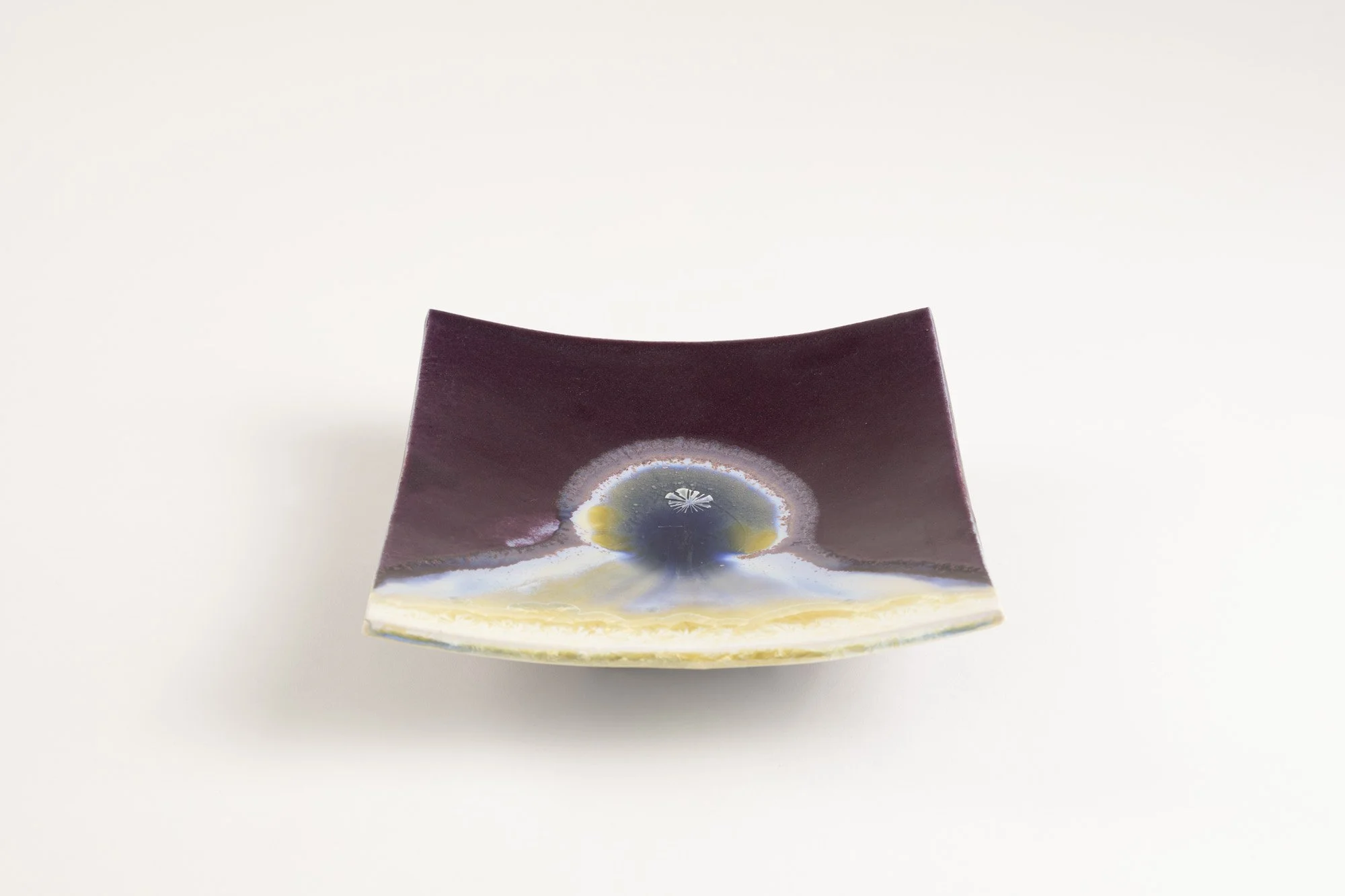
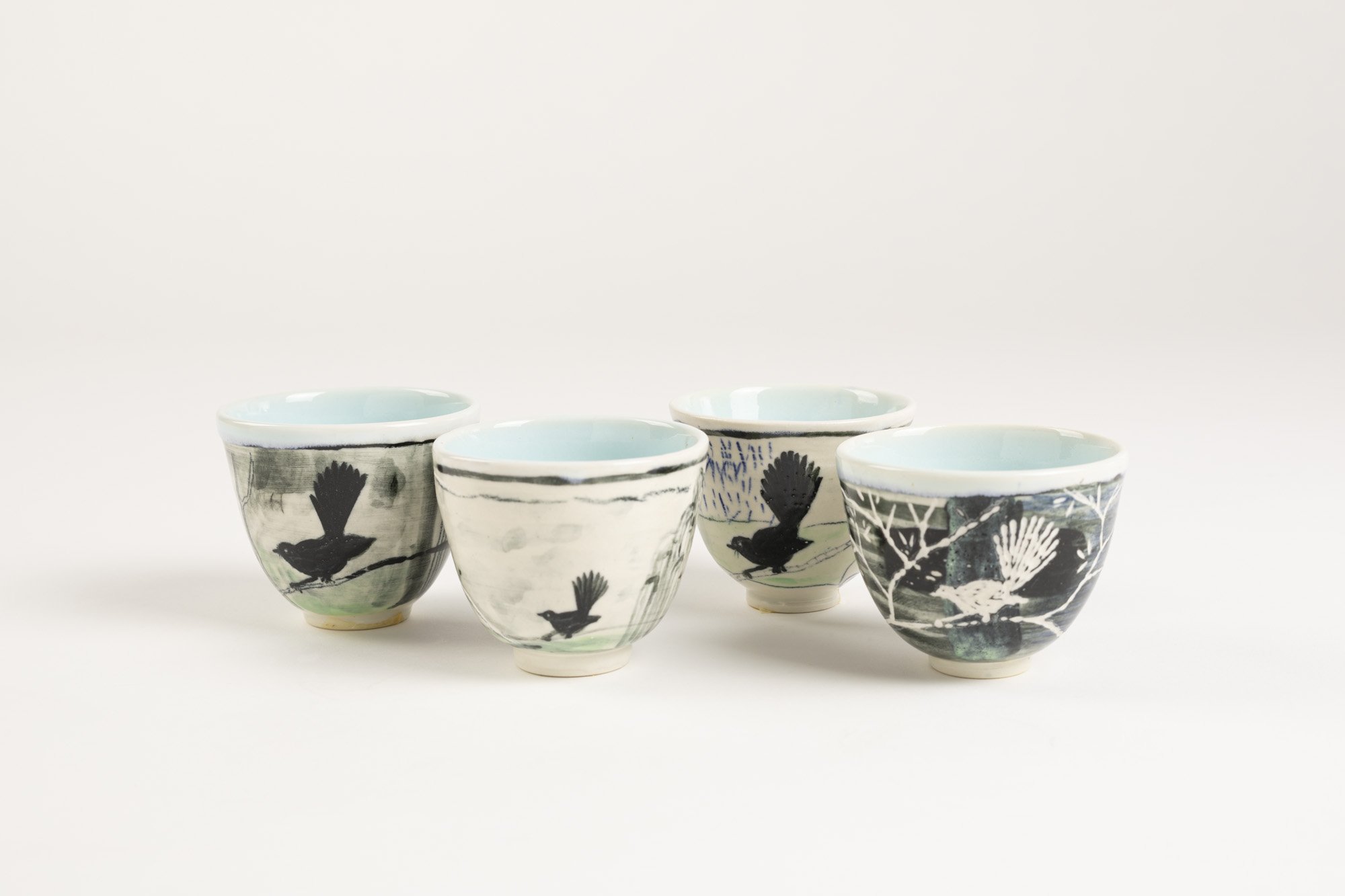
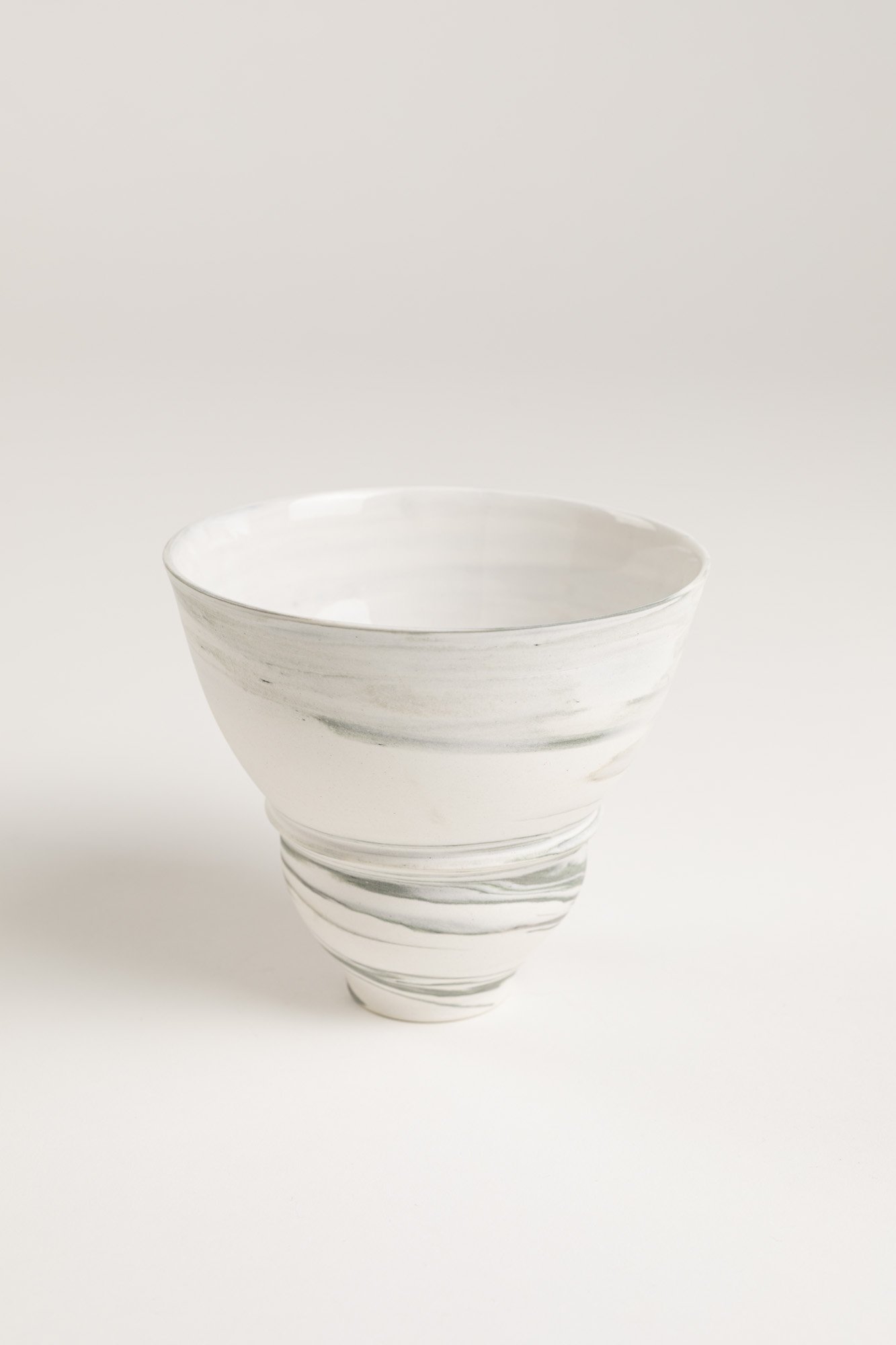
The project became a good example of practical museum photography under pressure. Over a short period, we photographed the exhibition objects in a way that was consistent enough for catalogue use while still allowing the individuality of each ceramic piece to come through. The resulting images supported both the publication and the exhibition interpretation, helping connect the physical displays across the library, research centre, and museum foyer.
In addition to the object photography, I contributed a small stop-motion promotional video for the marketing team. This was a playful add-on to the main exhibition work, using animation to bring energy and movement to a subject that might otherwise be presented in a more static way. It reflects a recurring part of my practice: looking for opportunities to introduce motion, humour, and visual experimentation into museum content, even within practical or time-constrained projects.
50 Years of Clay was not one of the larger digital exhibition builds, but it was a satisfying photography-led project that combined studio discipline, publication support, exhibition interpretation, and creative promotional content. It demonstrates my ability to deliver polished visual assets quickly, work collaboratively within tight timeframes, and bring a creative approach to even the quieter parts of museum production.