
The Great War Exhibition: Colourisation, Research Imaging, and Exhibition Support
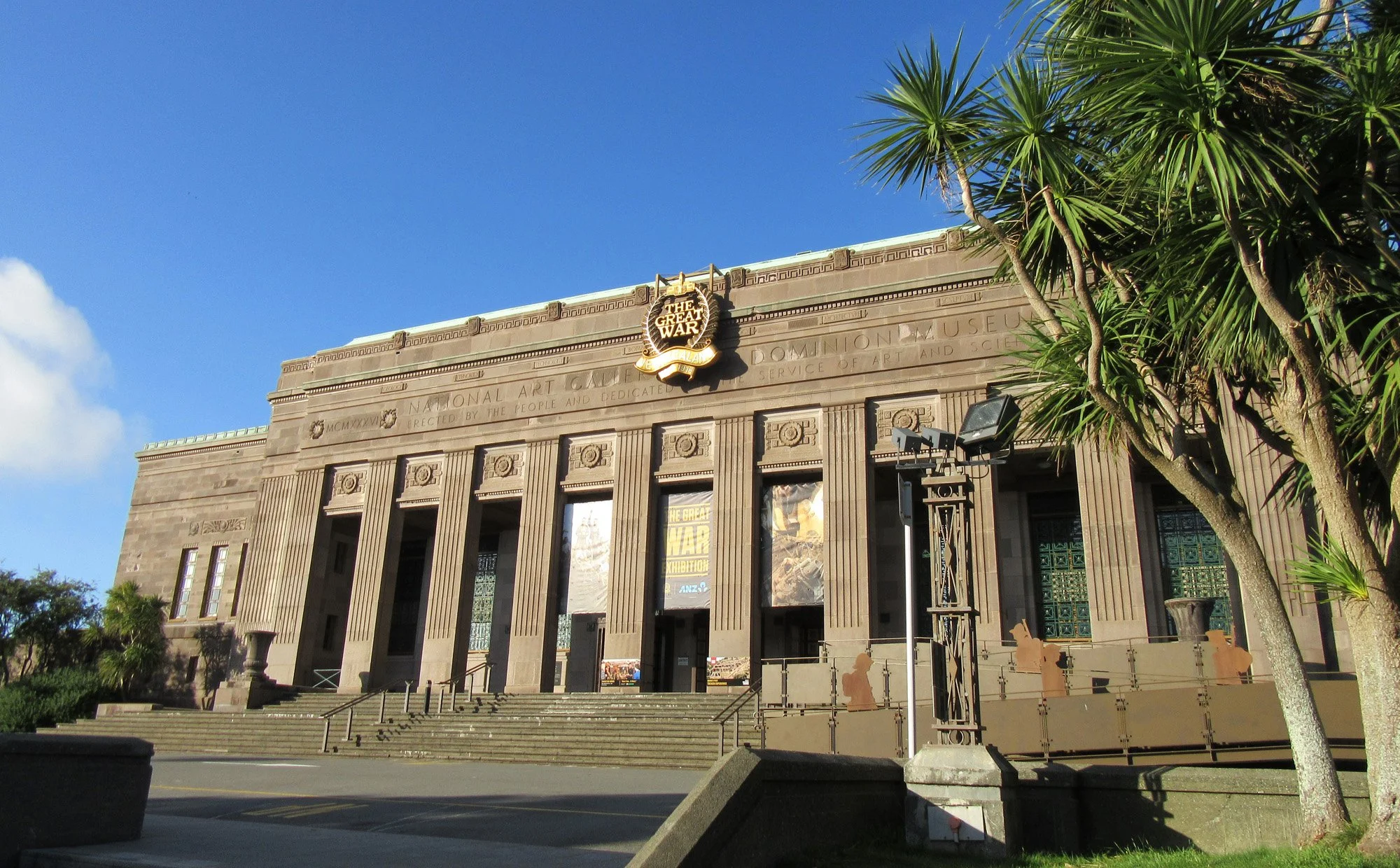
Project: The Great War Exhibition
Location: Former Dominion Museum and National Art Gallery, Pukeahu National War Memorial Park, Wellington, Aotearoa New Zealand
Dates: First World War centenary period, opening April 2015
Role: Research imaging, colourisation prototyping, collection photography, visual reference development, digitisation support, display graphics support, installation documentation, virtual tour production
Collaborators: Sir Peter Jackson, WingNut Films, Weta Digital artists, collections and exhibition teams
Media: Colourised photographs, visual reference library, collection photography, military object photography, aerial photo composites, maps, display graphics, installation photography, time-lapse video, virtual tour
Tools / Methods: Photoshop colourisation, studio photography, natural-light reference photography, object handling, image stitching, Google Earth mapping, database support, time-lapse capture, virtual tour photography
Featured components: Colourisation research and prototyping; First World War uniform and equipment reference library; Gallipoli aerial reconnaissance composite; installation documentation
Historical research imaging, colourisation prototyping, collection photography, visual reference development, and installation documentation for Sir Peter Jackson’s First World War centenary exhibition in Wellington. My work included early colourisation experiments, a large reference library of uniforms and equipment for Weta Digital artists, display and map support, a Gallipoli aerial reconnaissance composite, marketing photography, time-lapse documentation, and a virtual tour.
The Great War Exhibition was a major First World War centenary exhibition created by Sir Peter Jackson and located in the former Dominion Museum and National Art Gallery building on Buckle Street in Wellington. Developed in collaboration with the Ministry for Culture and Heritage, Peter Jackson, and WingNut Films, the exhibition commemorated New Zealand’s role in the First World War and was located within the wider Pukeahu National War Memorial Park precinct.
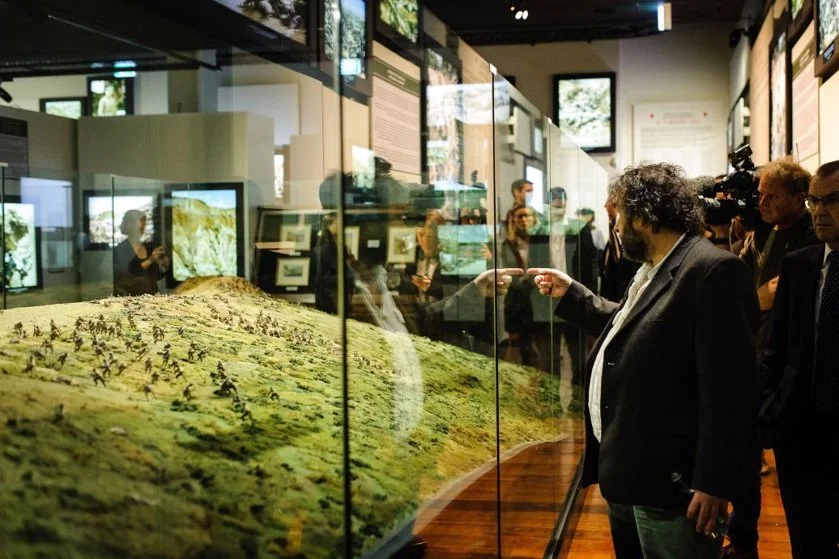
My work on the exhibition grew out of my broader role supporting Peter Jackson with his collections and special projects. Around late 2013 and early 2014, as the First World War centenary period approached, I began working more closely with Peter on his military related research projects. This included supporting access to his extensive collection of First World War uniforms, equipment, vehicles, aircraft material, reference photography, and replica objects, as well as helping with research and visual material for books, publications, parades, potential film projects, and the emerging museum project.
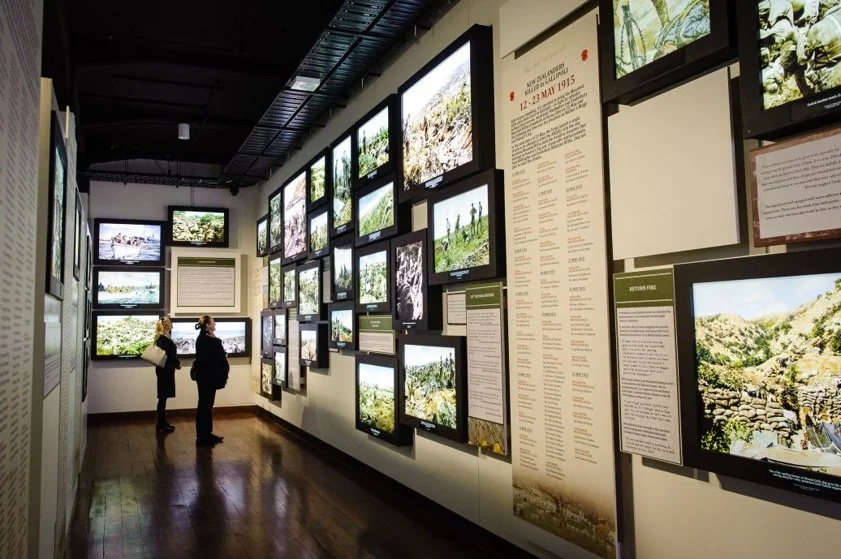
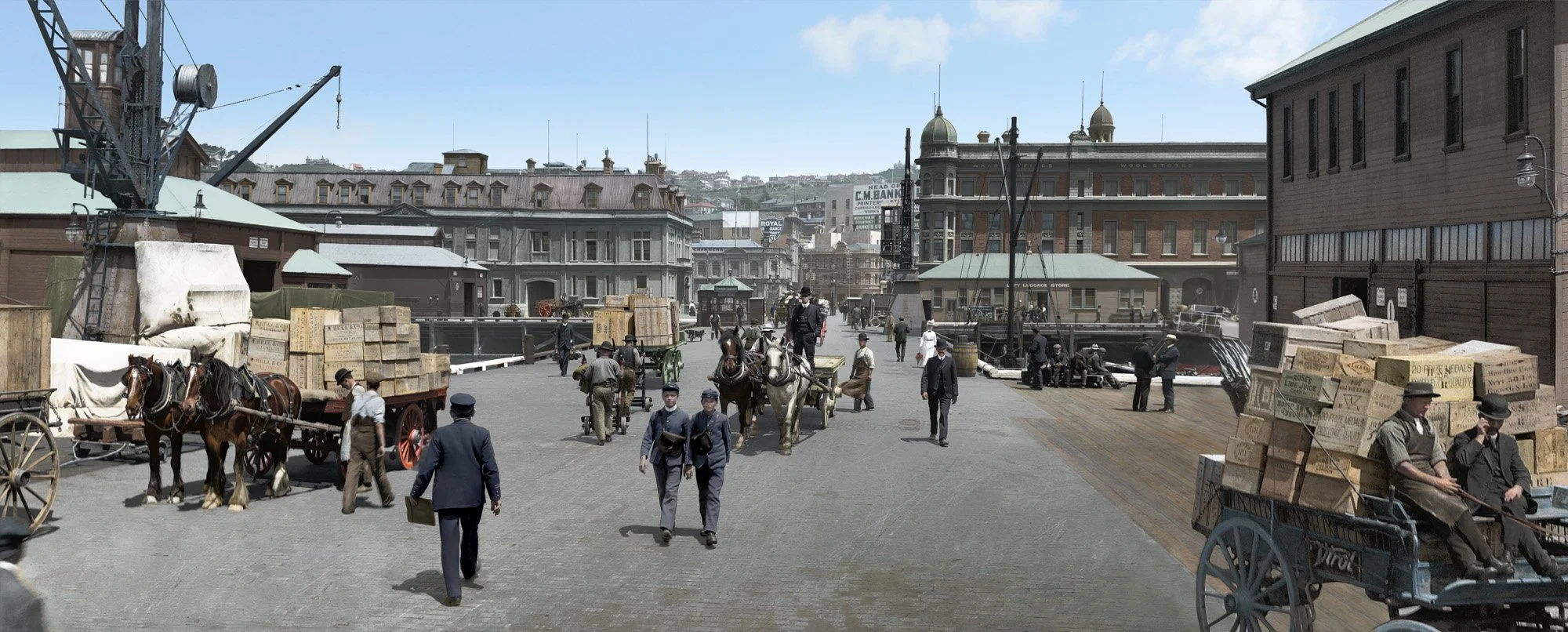
One of the earliest and most important areas of work was colourisation. Peter’s vision for the exhibition was that historic photographs would not be presented in black and white. He wanted colour to help collapse the emotional distance between contemporary audiences and the people of the First World War, making them feel less remote and more immediate. This was well before the current generation of AI colourisation tools, so the work required extensive experimentation with Photoshop techniques, historical reference, and manual image-making processes.
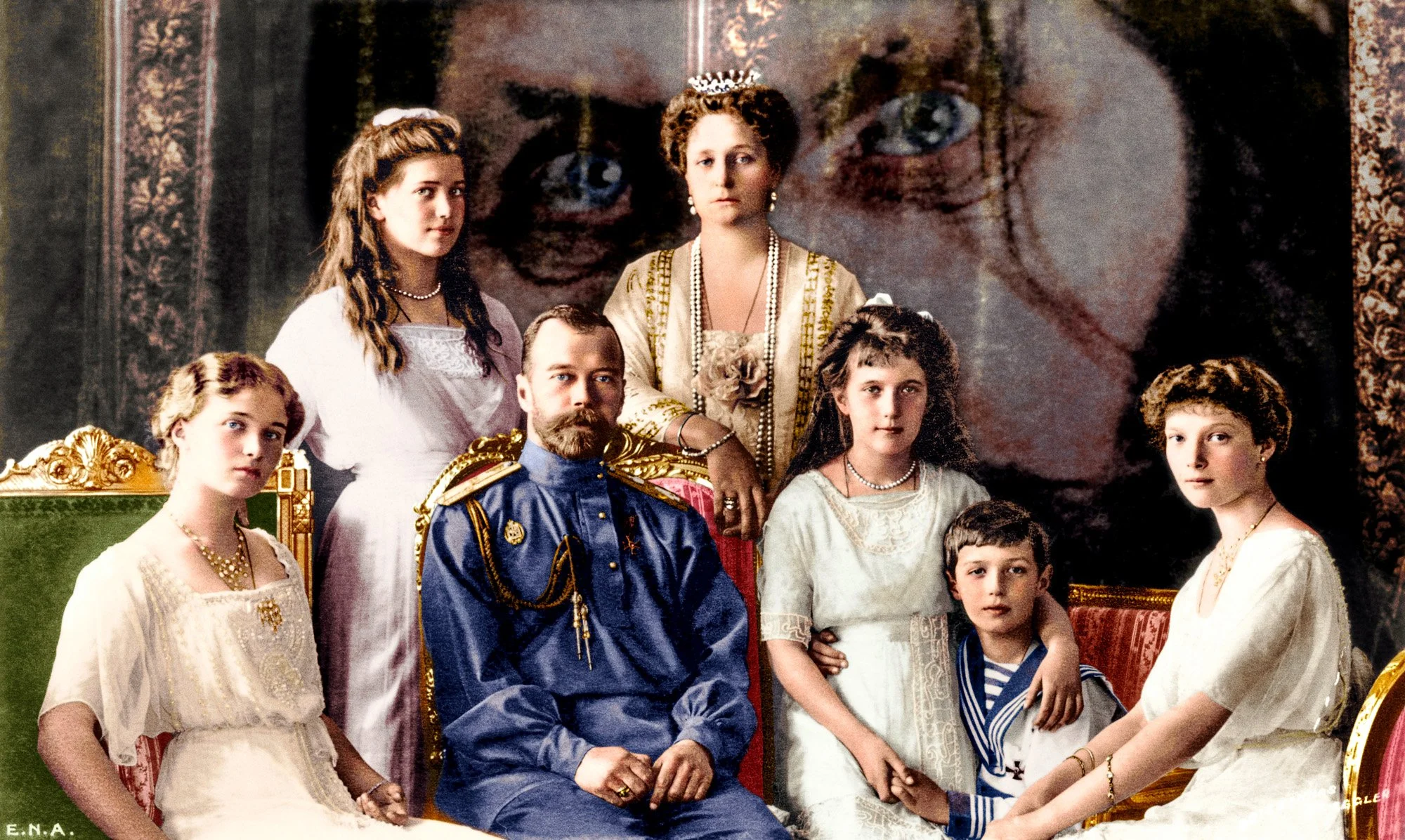
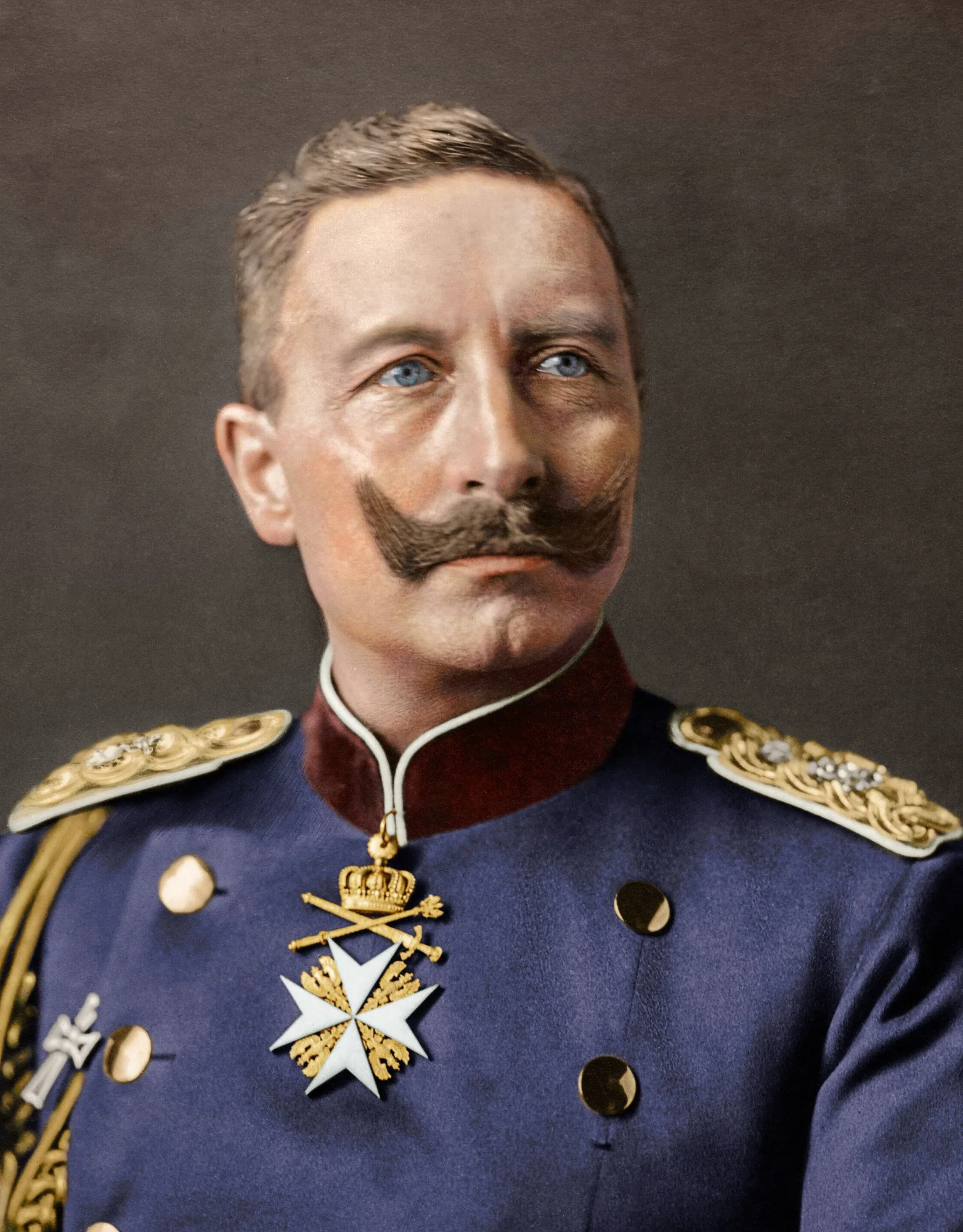
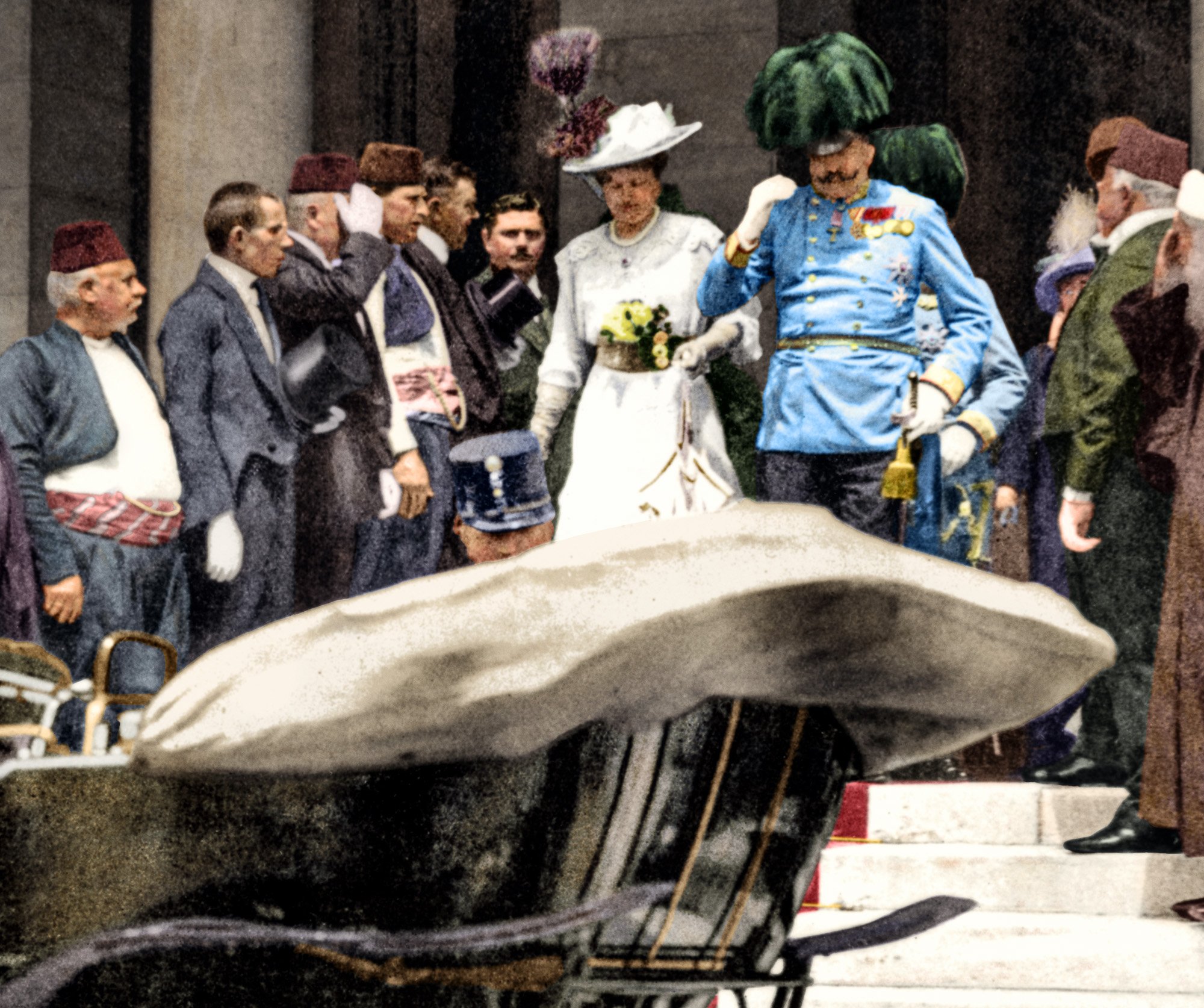
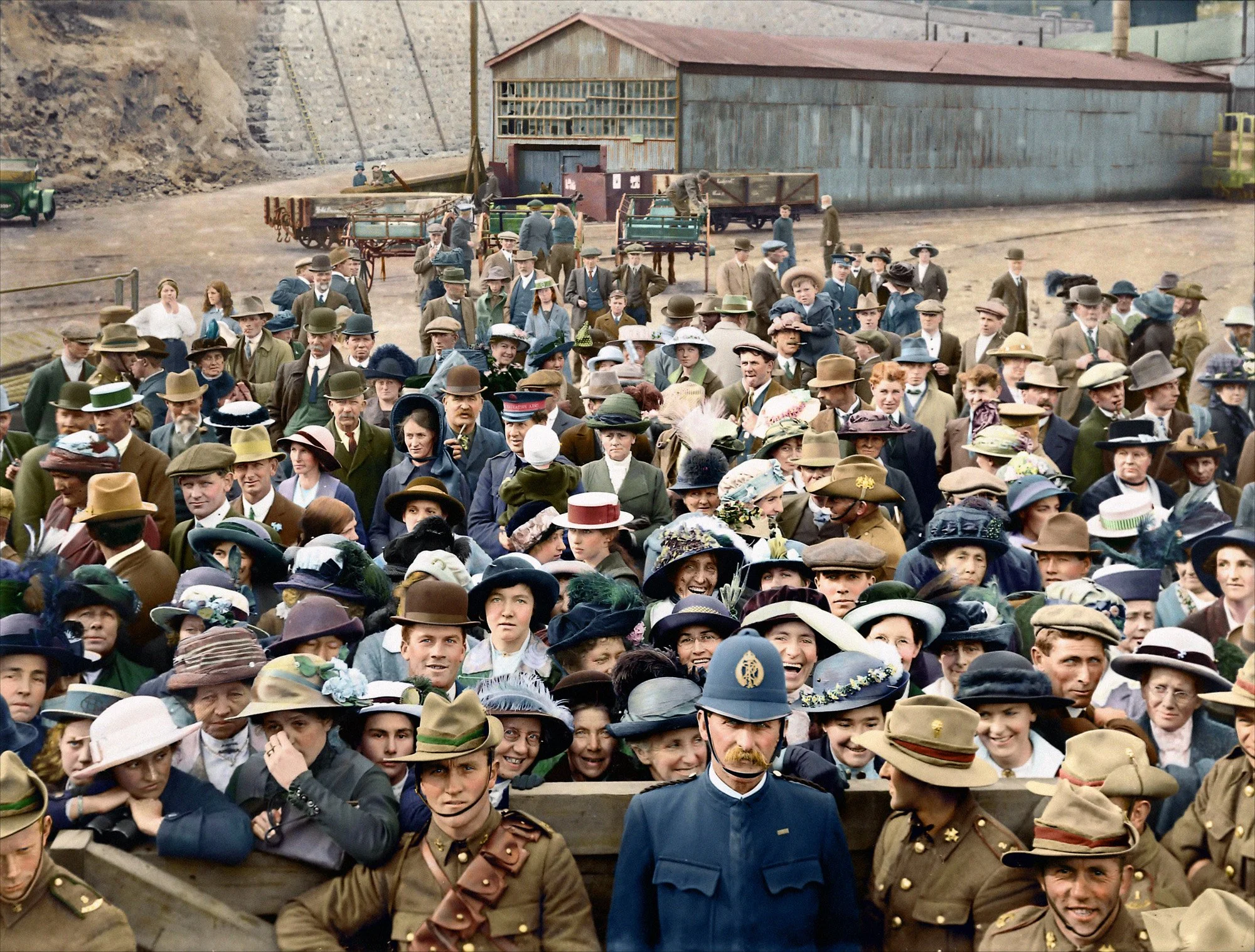
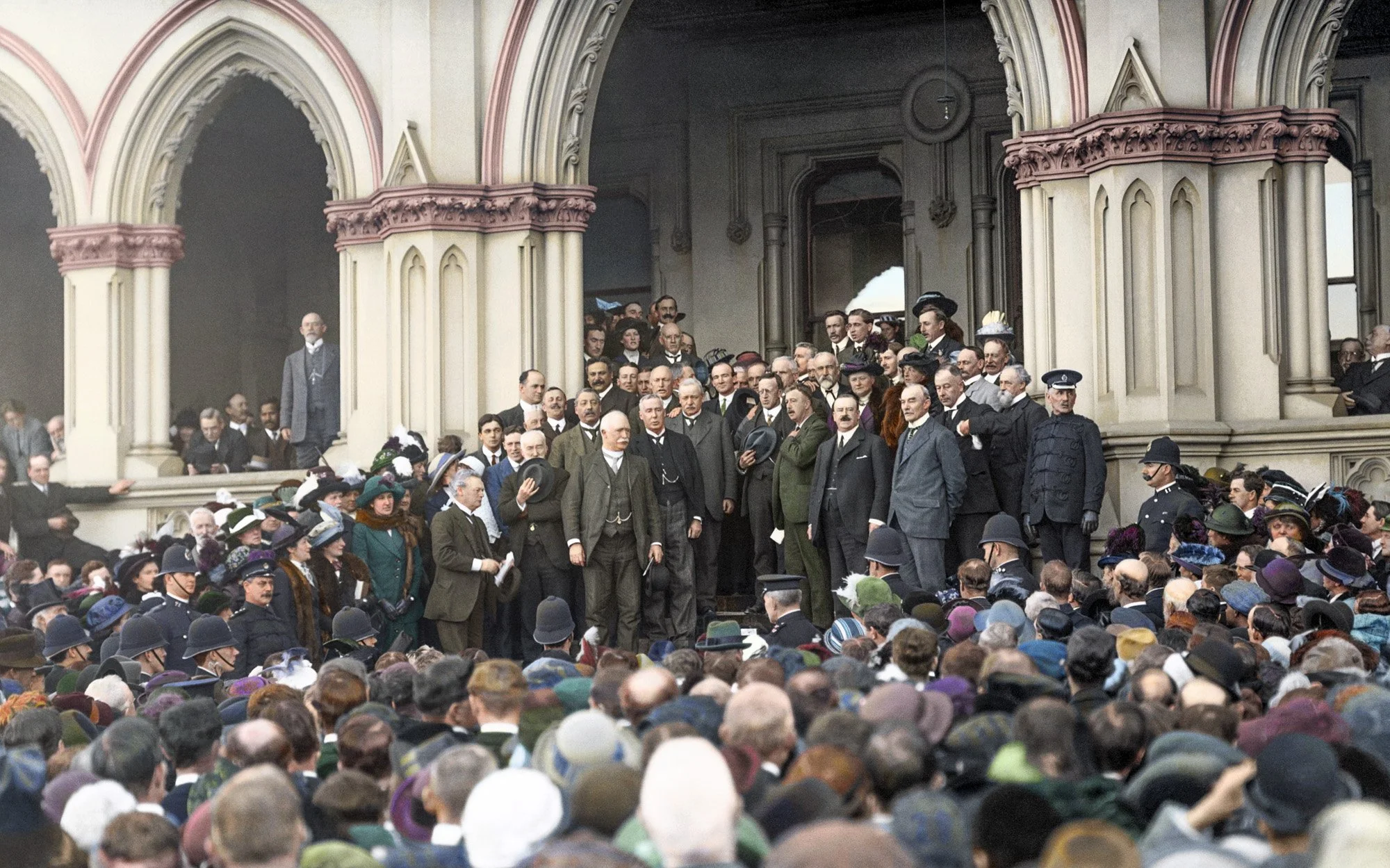
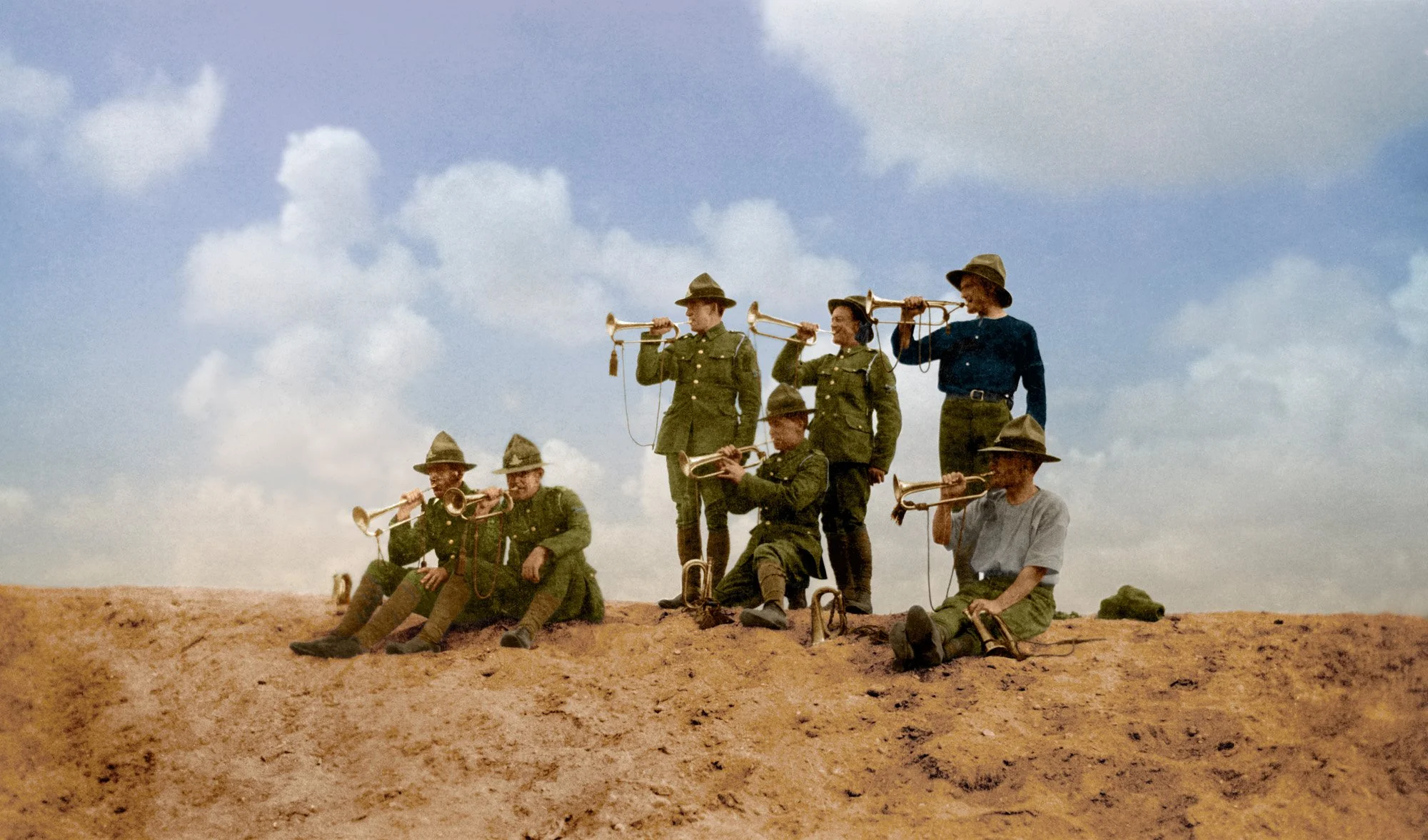
I helped Peter directly investigate early colourisation workflows, prototyping techniques, testing approaches, and demonstrating Photoshop processes. I also helped connect the project with the team at Weta Digital, whose artists went on to develop the colourisation techniques at the high level required for the exhibition. In addition to that early prototyping work, I colourised a small number of photographs that were ultimately printed and displayed in the exhibition, including large-format lightbox images.
A major part of my contribution was the creation of a visual reference library to support the artists responsible for colourising hundreds of historic photographs. I photographed uniforms, weapons, accessories, vehicles, aircraft fabric, rifles, equipment, insignia, and other First World War-era material from Peter’s collection under a wide range of lighting conditions. These sessions included studio lighting, natural light, shade, and staged reference photography with models wearing reproduction uniforms, sometimes dressed with mud and other environmental details to help simulate historical conditions. This work gave the colourisation team detailed reference for fabrics, textures, tones, weathering, equipment, and how materials behaved under different light.
I also worked with the collections manager and wider team on digitisation, database access, research material, and the handling of collection objects used to support the exhibition. The work sat between collections care, historical research, photography, design support, and production, requiring both technical precision and sensitivity to the historical material.
In addition to colourisation and reference imaging, I contributed to a range of design-focused and research-heavy projects for the exhibition. This included display graphics, maps, signage support, and specialised visual tools developed directly with Peter to help bring his ideas to life. Some of these involved experimenting with interactive approaches to trench maps, aerial imagery, Google Earth layers, and iPad-based tools that allowed different historical map layers to be explored and compared.
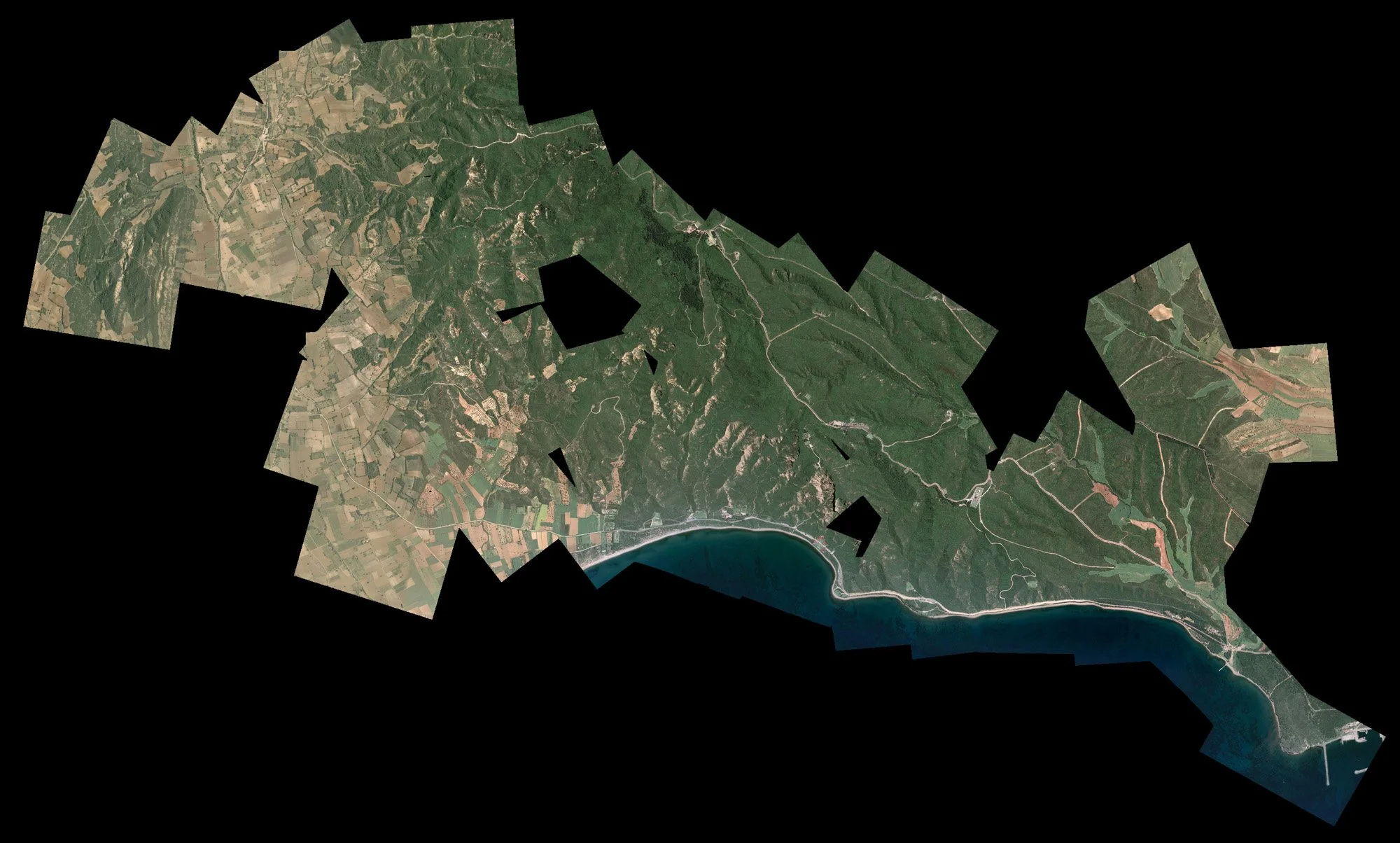
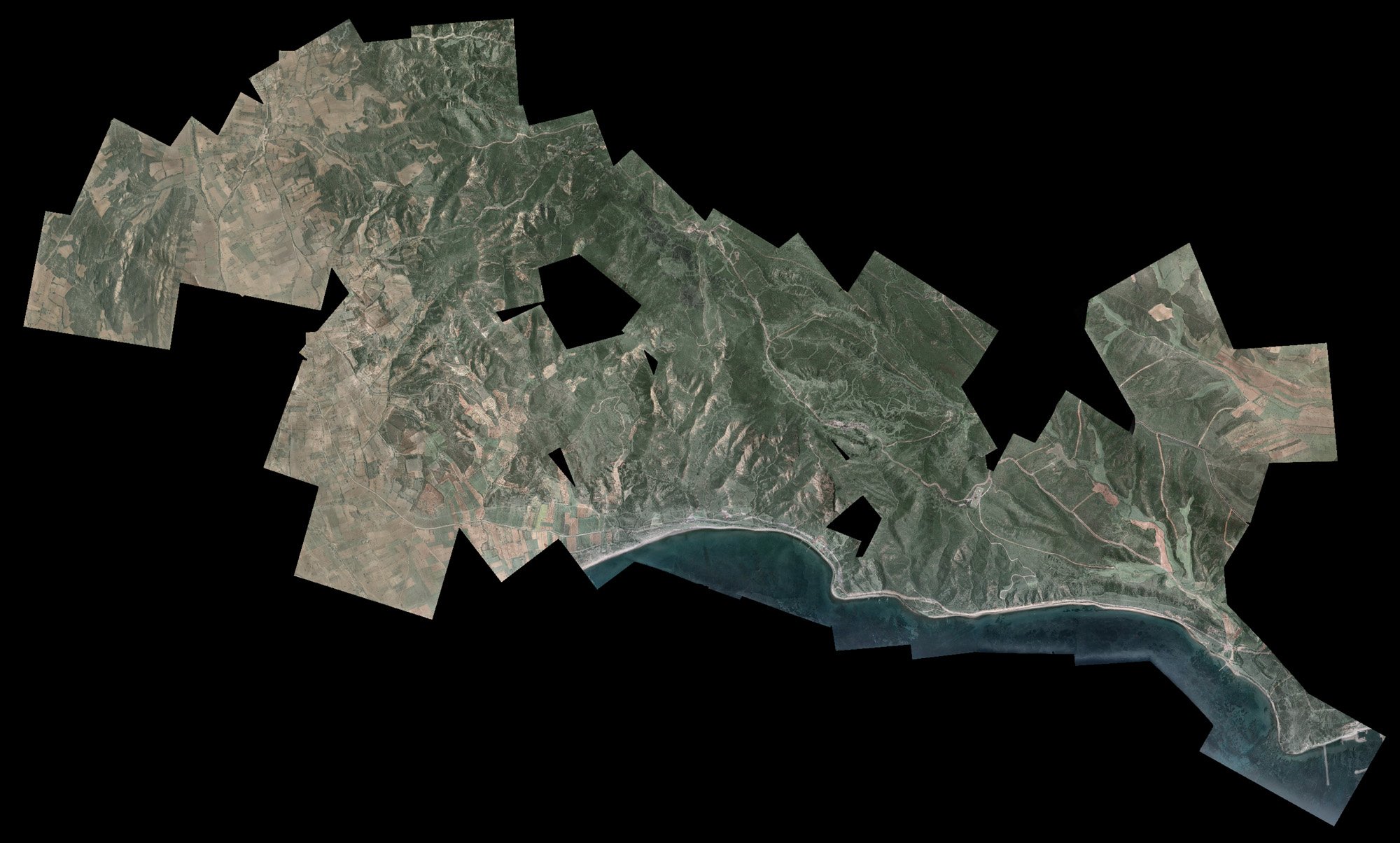
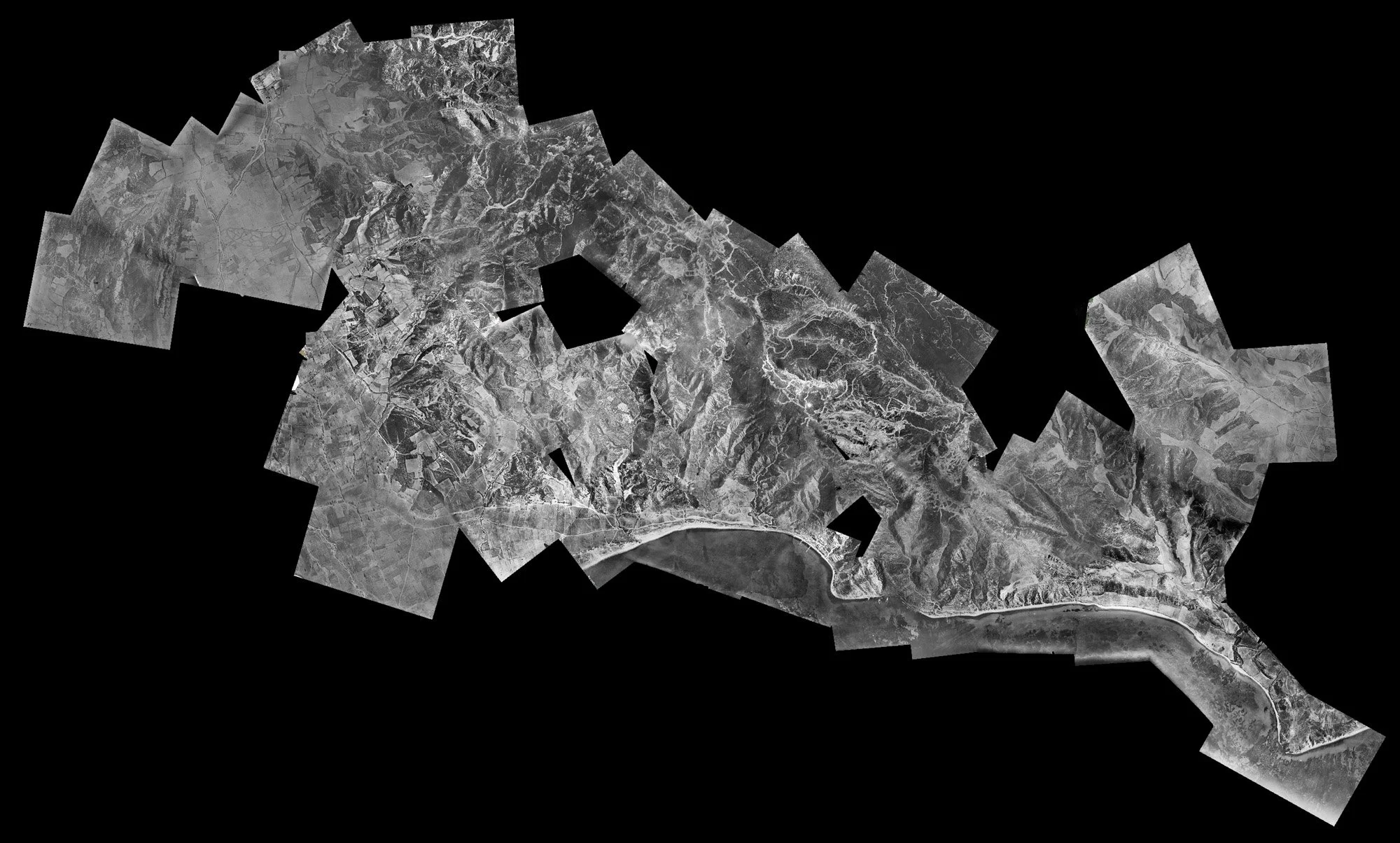
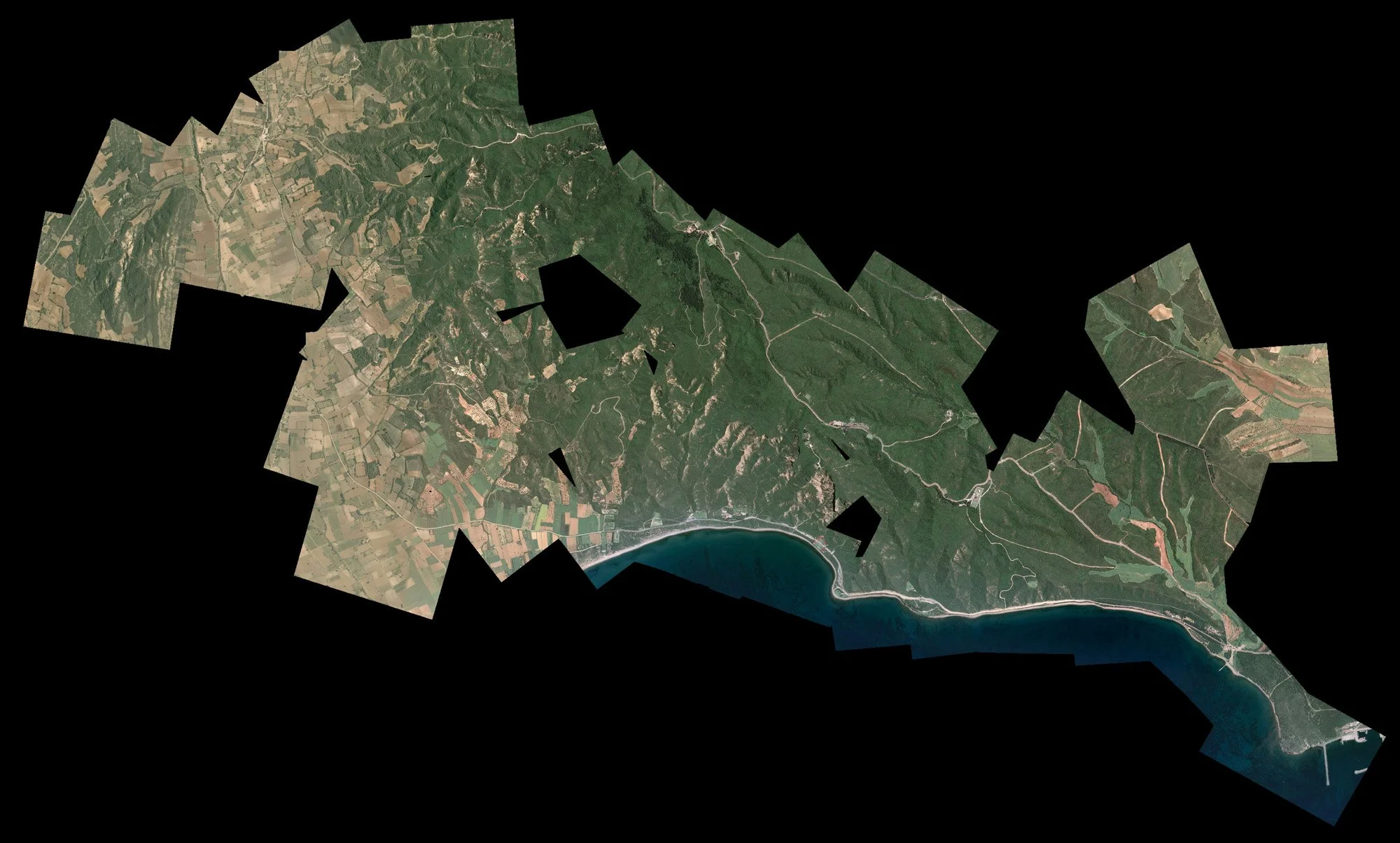
One of the most technically demanding projects I worked on was an aerial reconstruction of the Gallipoli Peninsula using Royal Naval Air Service reconnaissance photographs from early 1915. I helped track down, organise, align, and assemble high-resolution glass-plate aerial photographs from multiple sources, using Google Earth as a spatial canvas. The result was a massive composite image of Gallipoli from above, showing trench systems and terrain details as captured by reconnaissance aircraft. Although this piece was not ultimately printed for the exhibition, it was one of the largest and most complex image-stitching and research-mapping projects I have worked on, requiring months of sourcing, alignment, compositing, and technical file management.
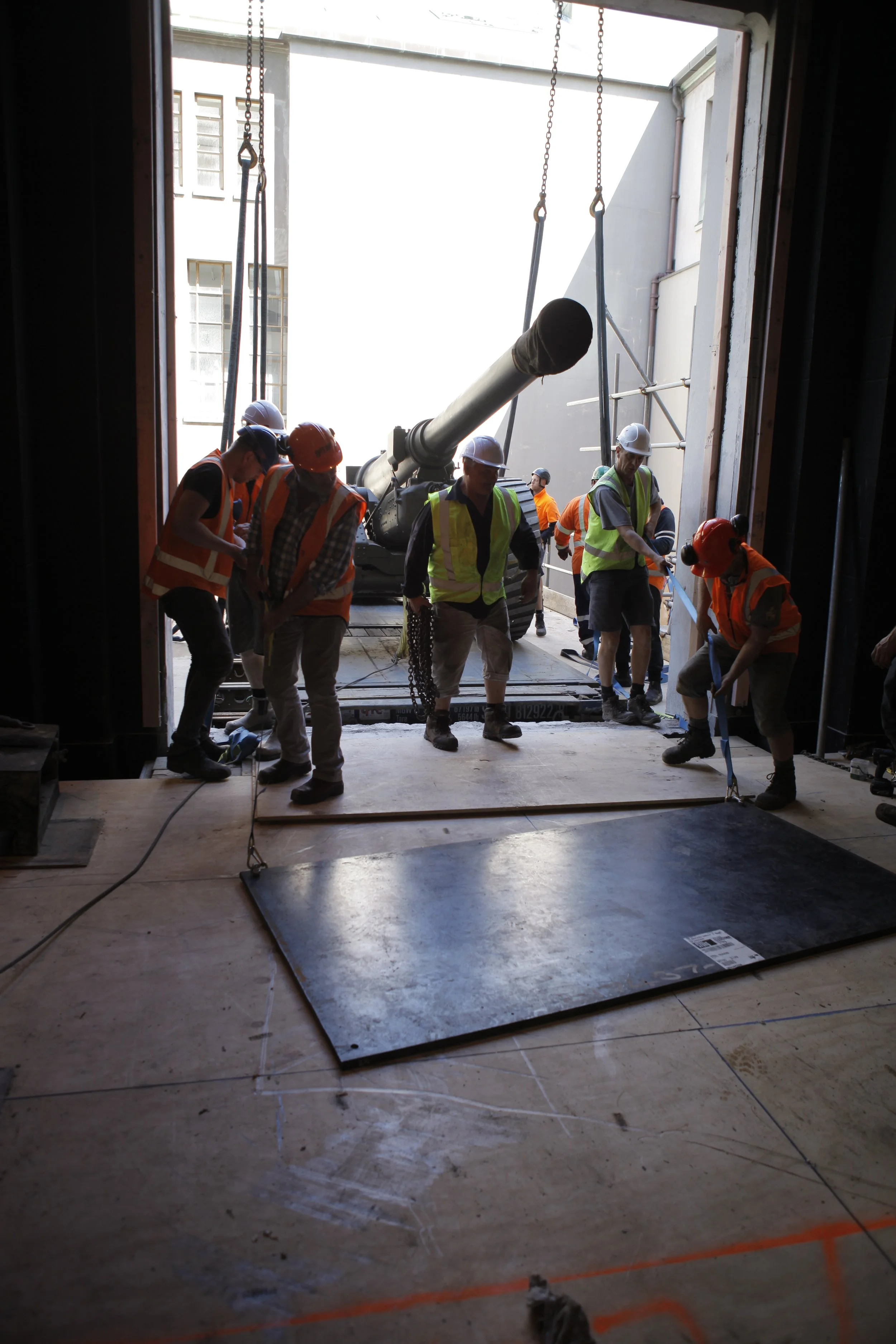
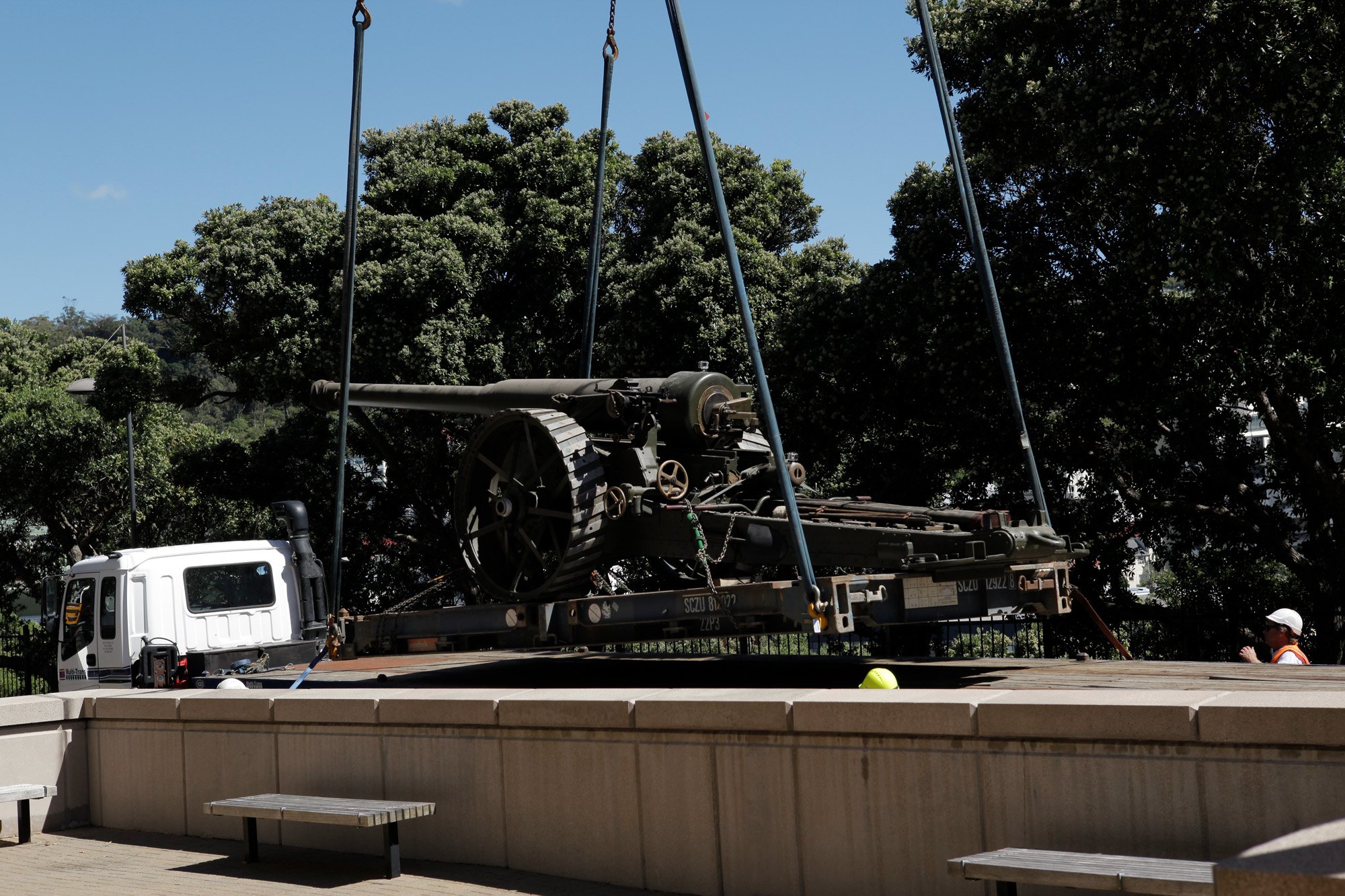
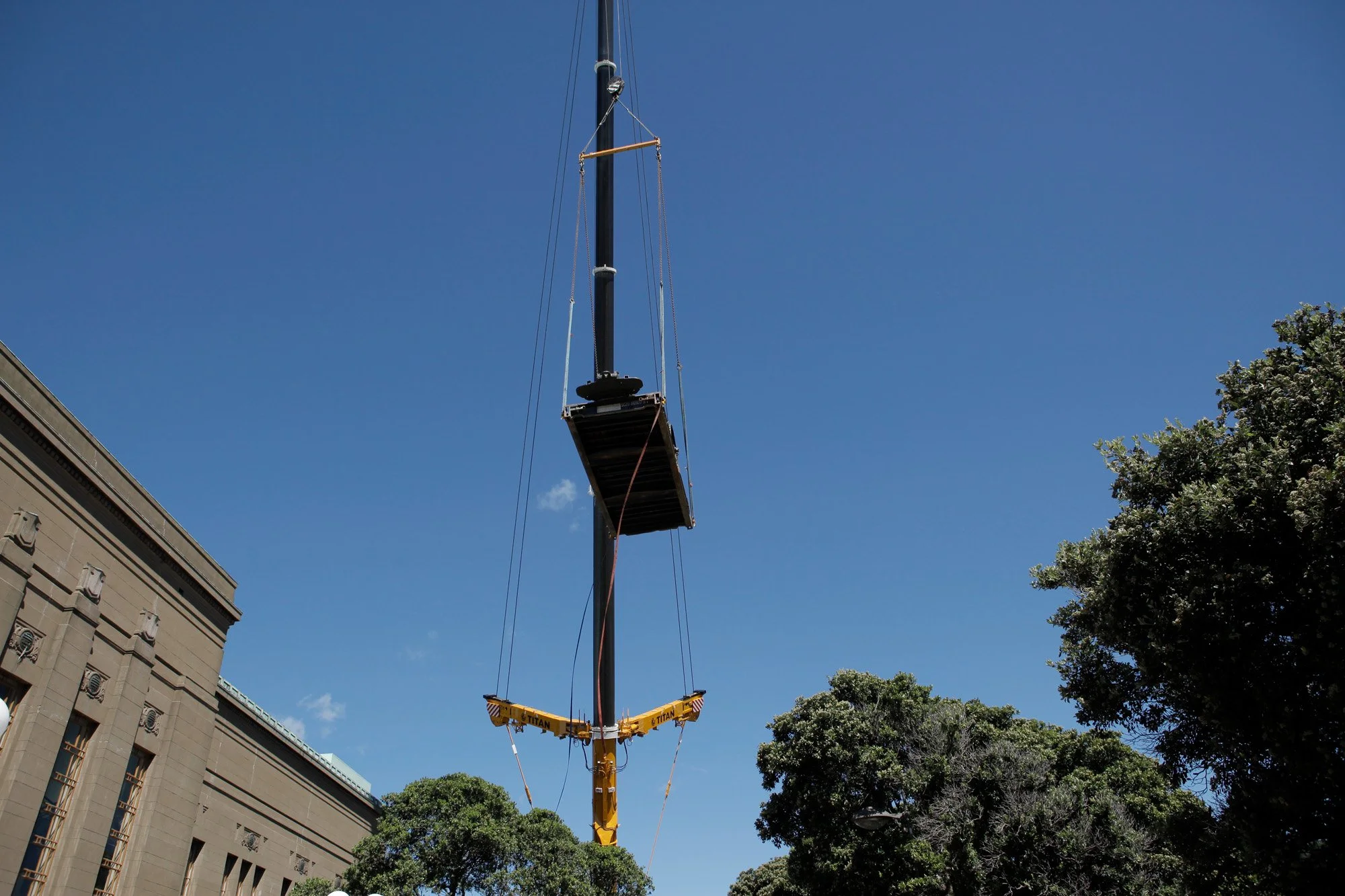
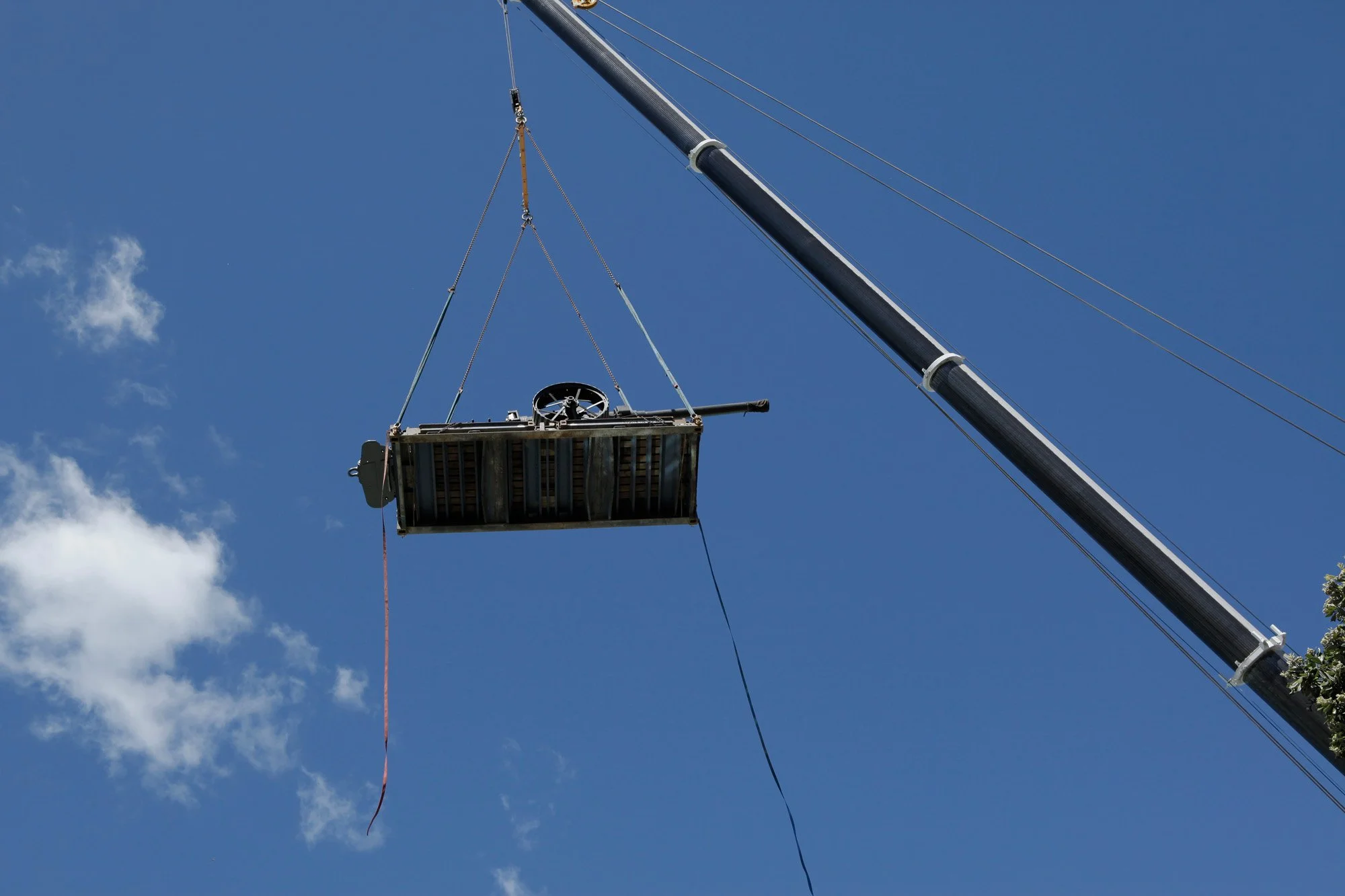
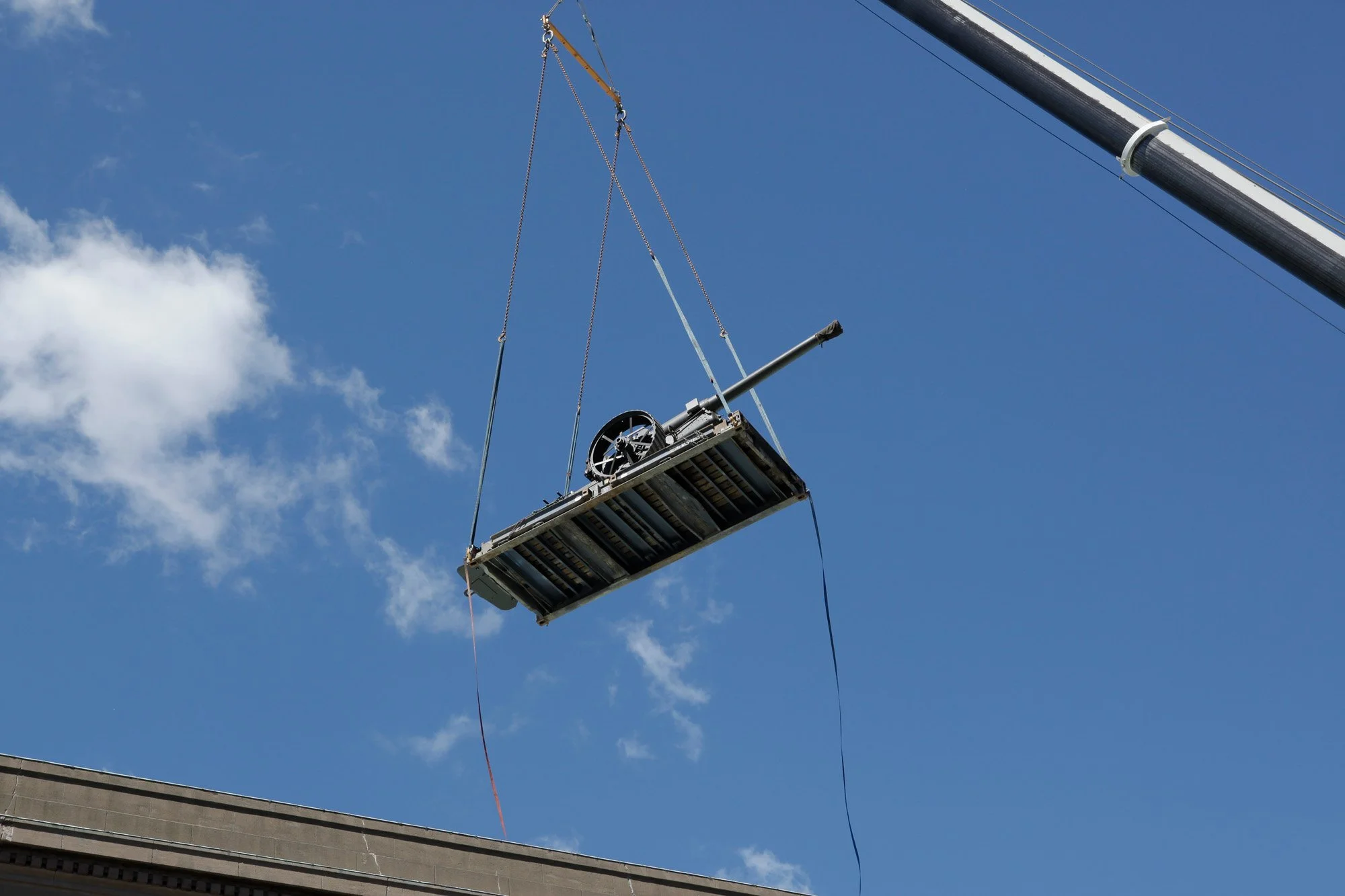
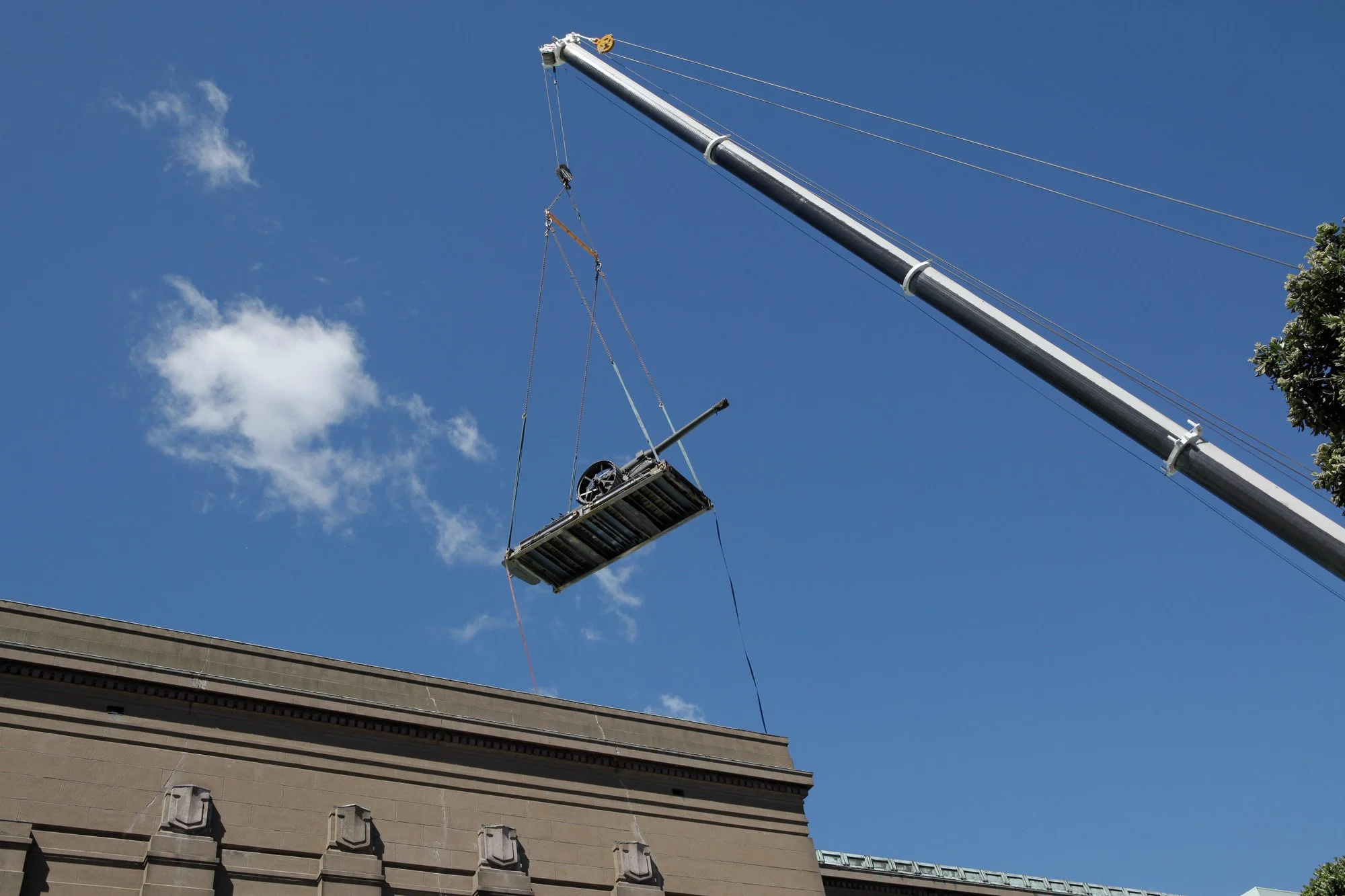
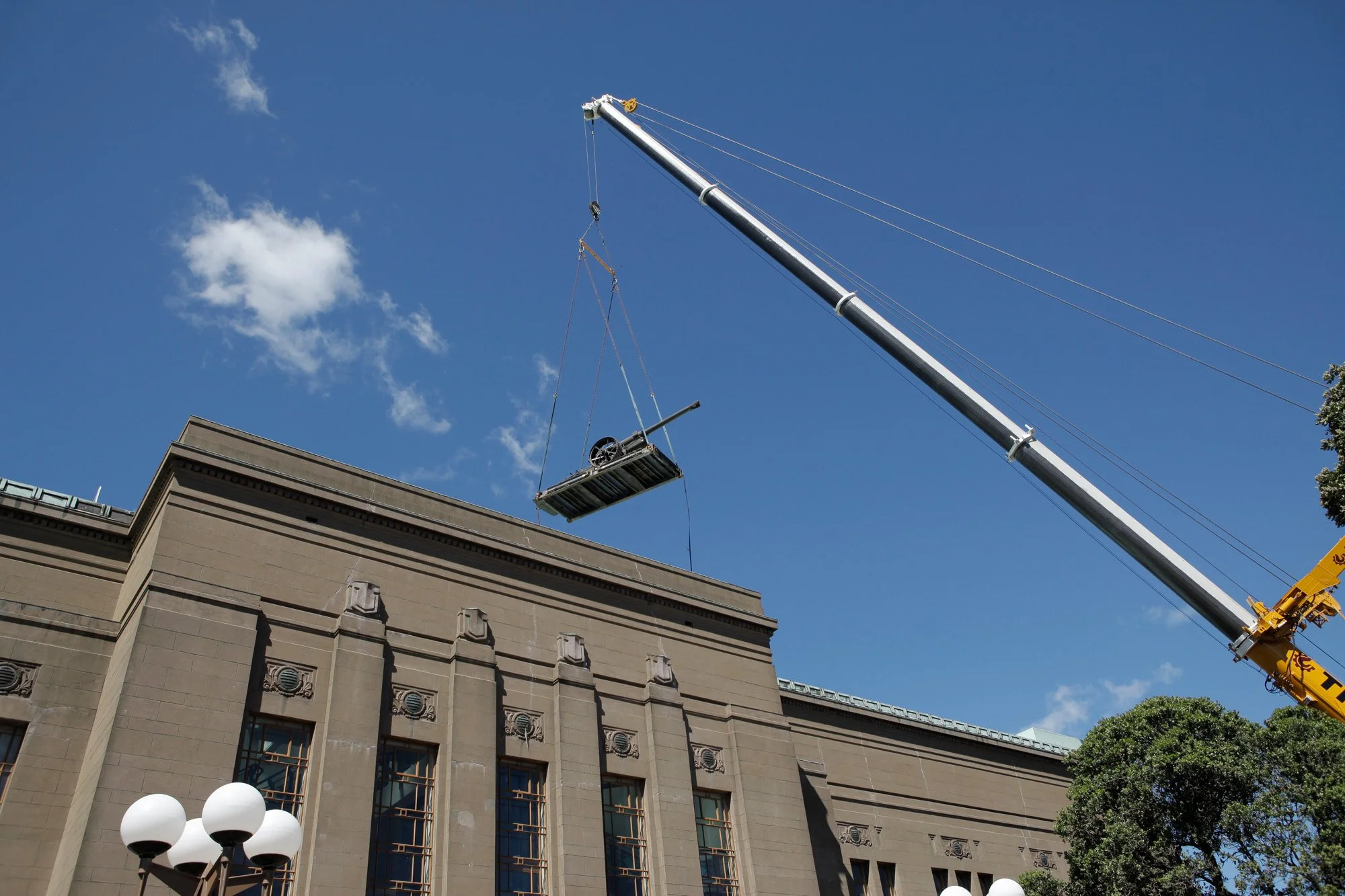
I also helped document the exhibition during installation and after completion. This included marketing photography, installation photography, time-lapse material, and a virtual tour of the exhibition. One memorable documentation project involved mounting a GoPro to a cannon as it was lifted by crane over Buckle Street, capturing a dramatic behind-the-scenes view of the installation process.
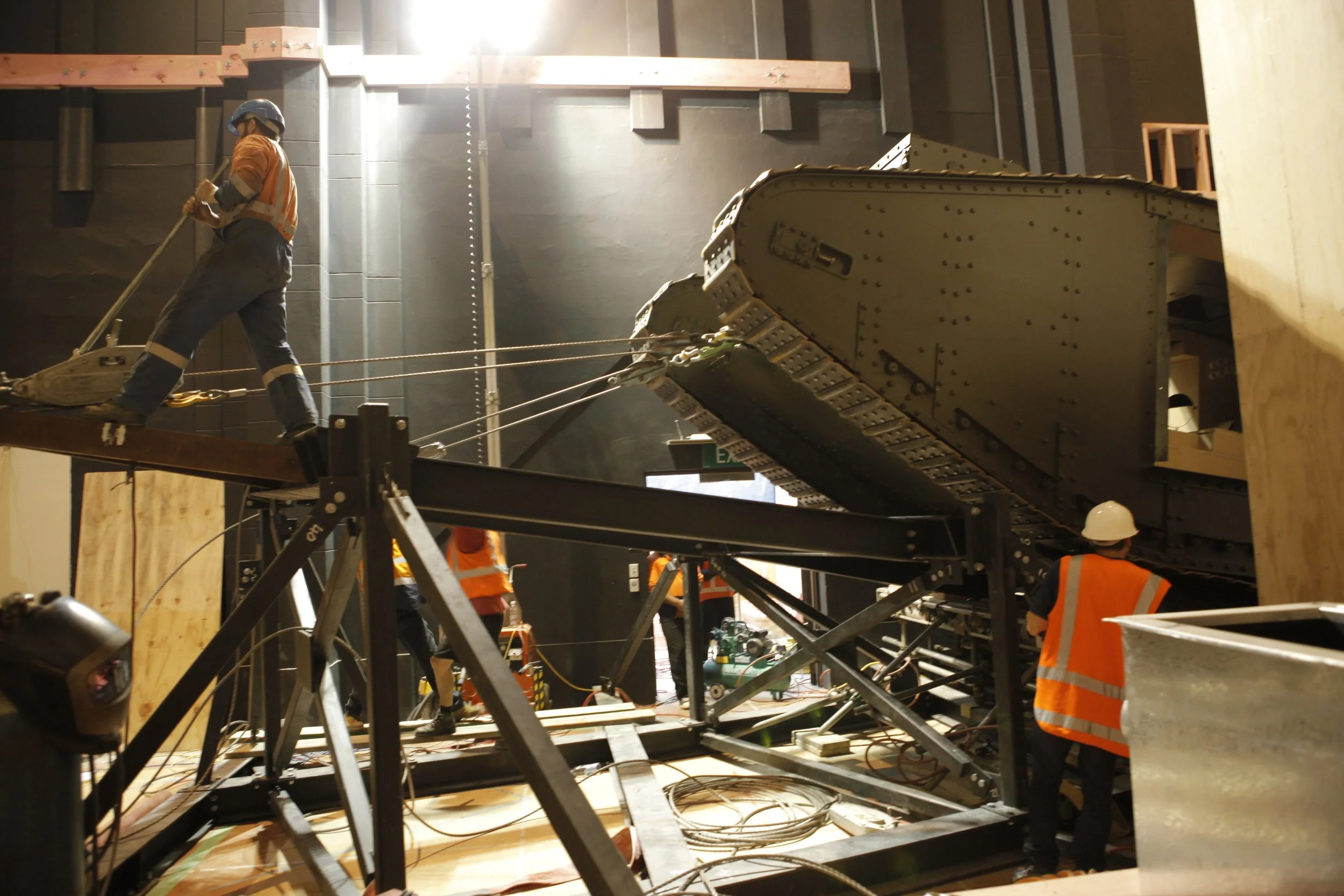
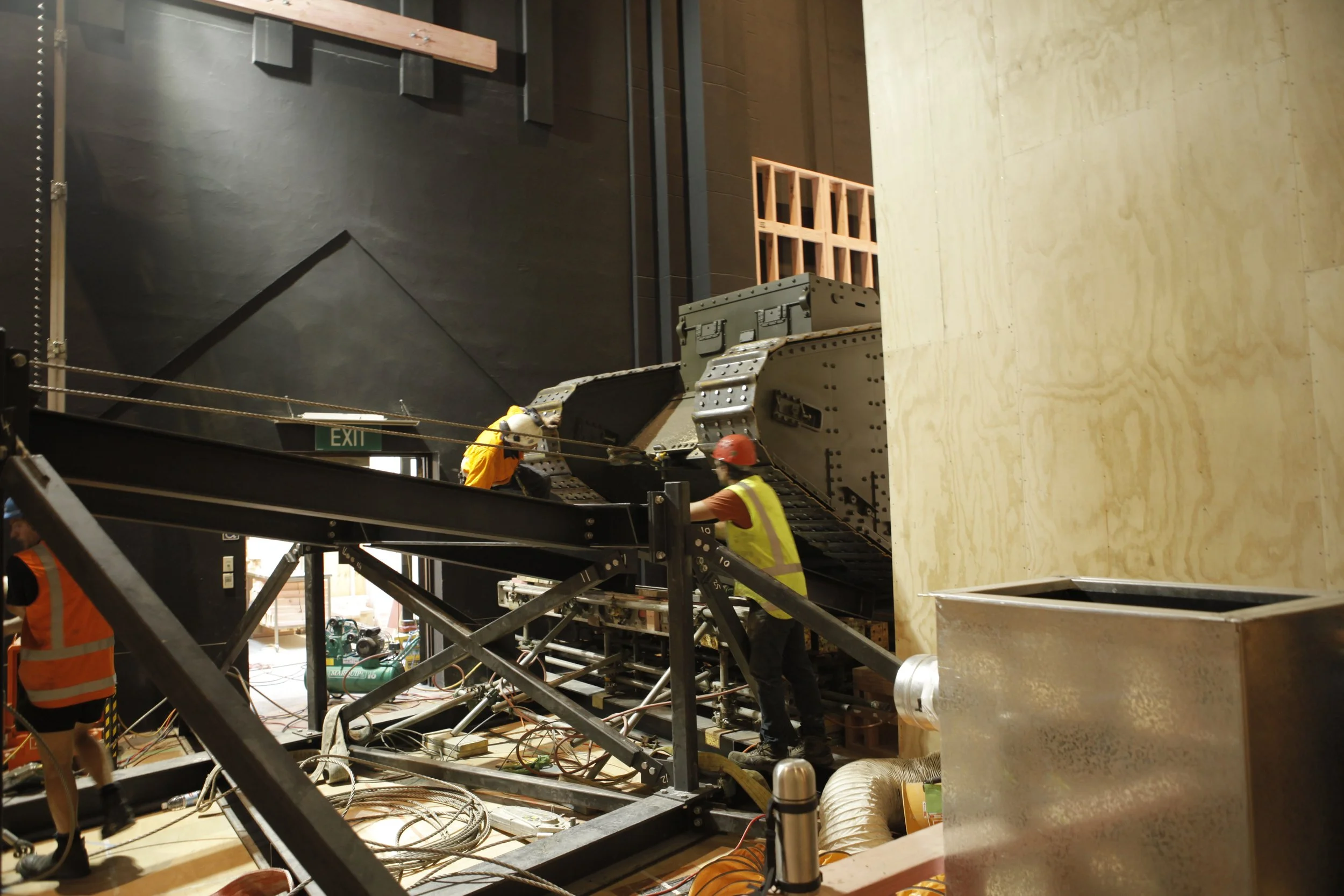
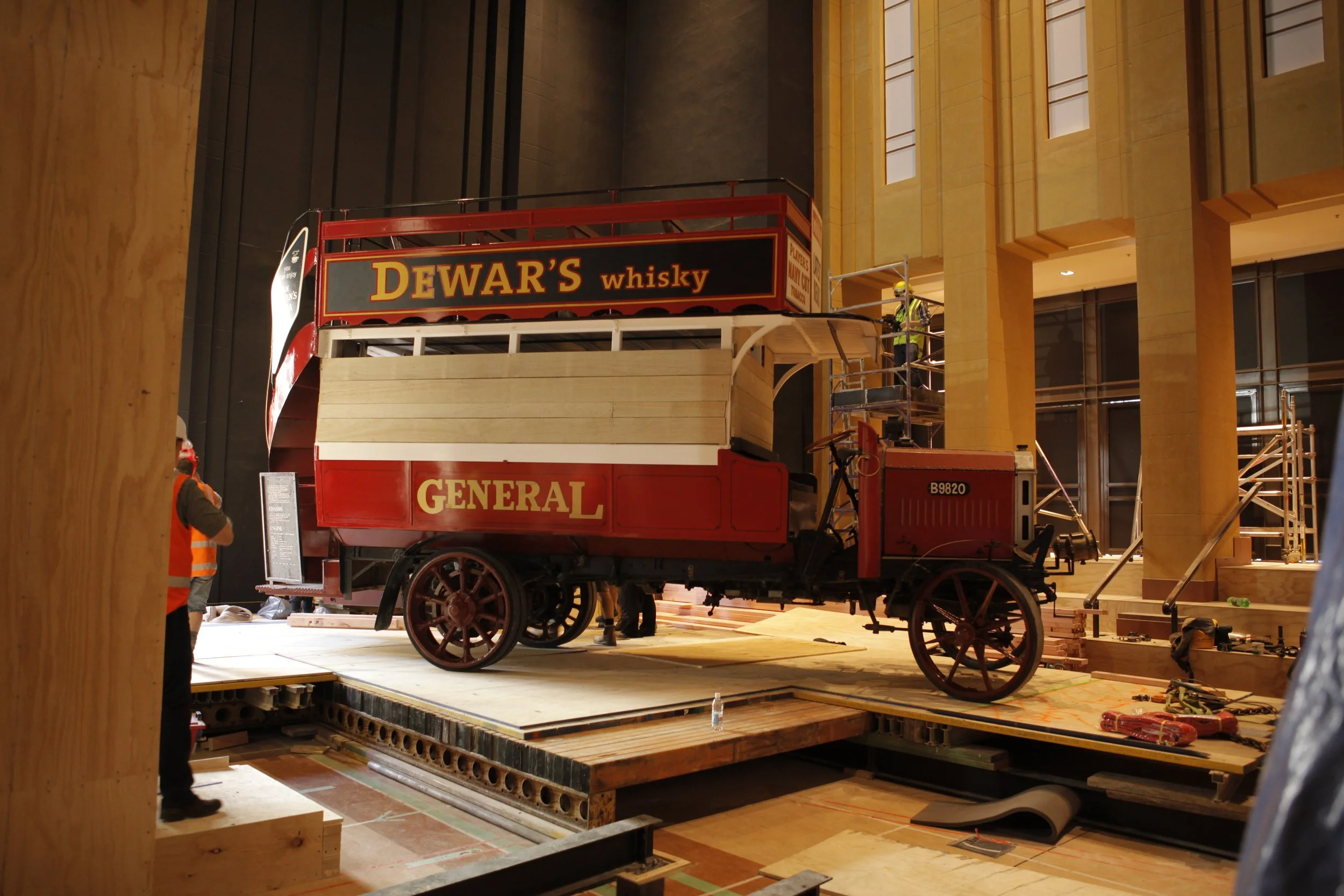
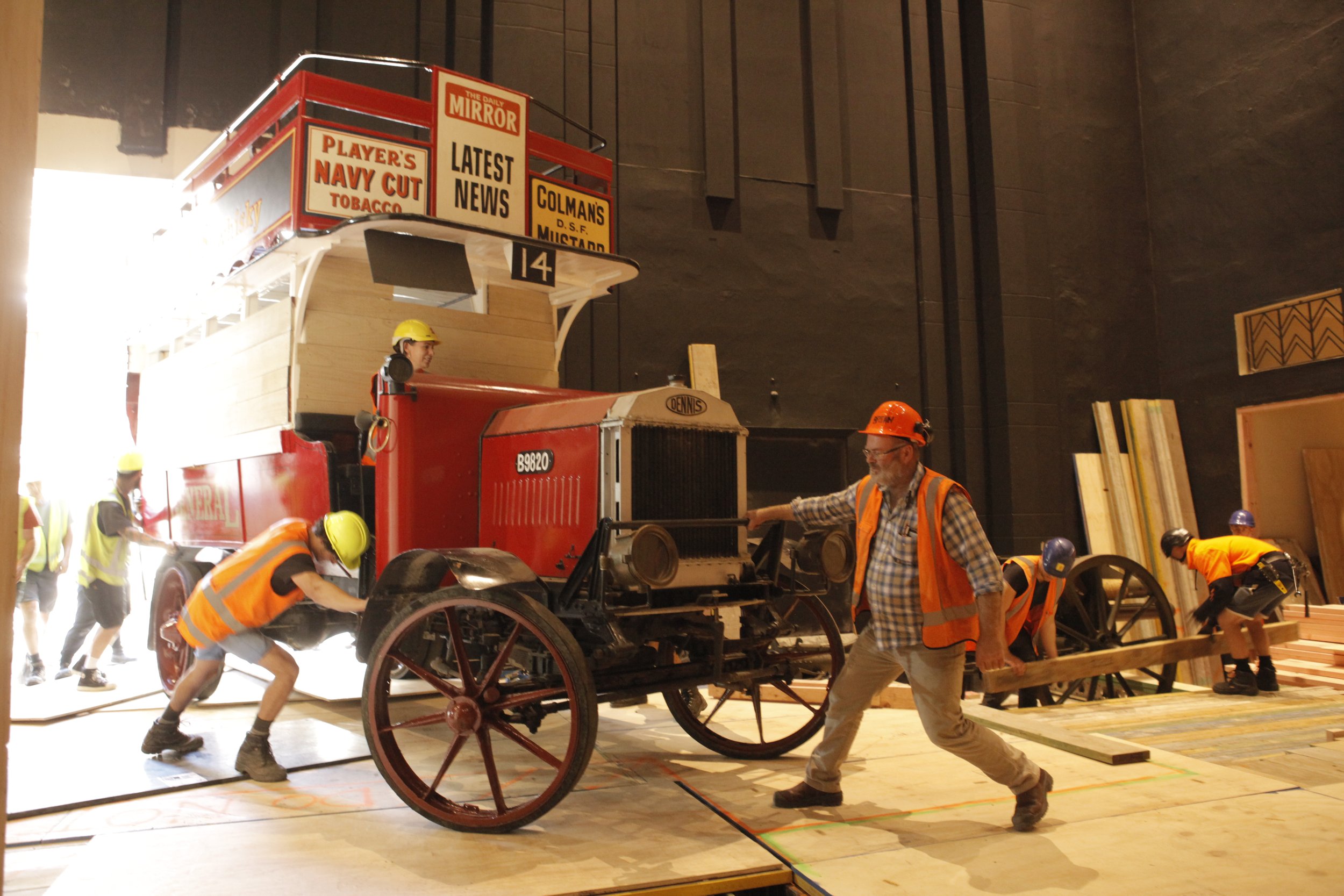
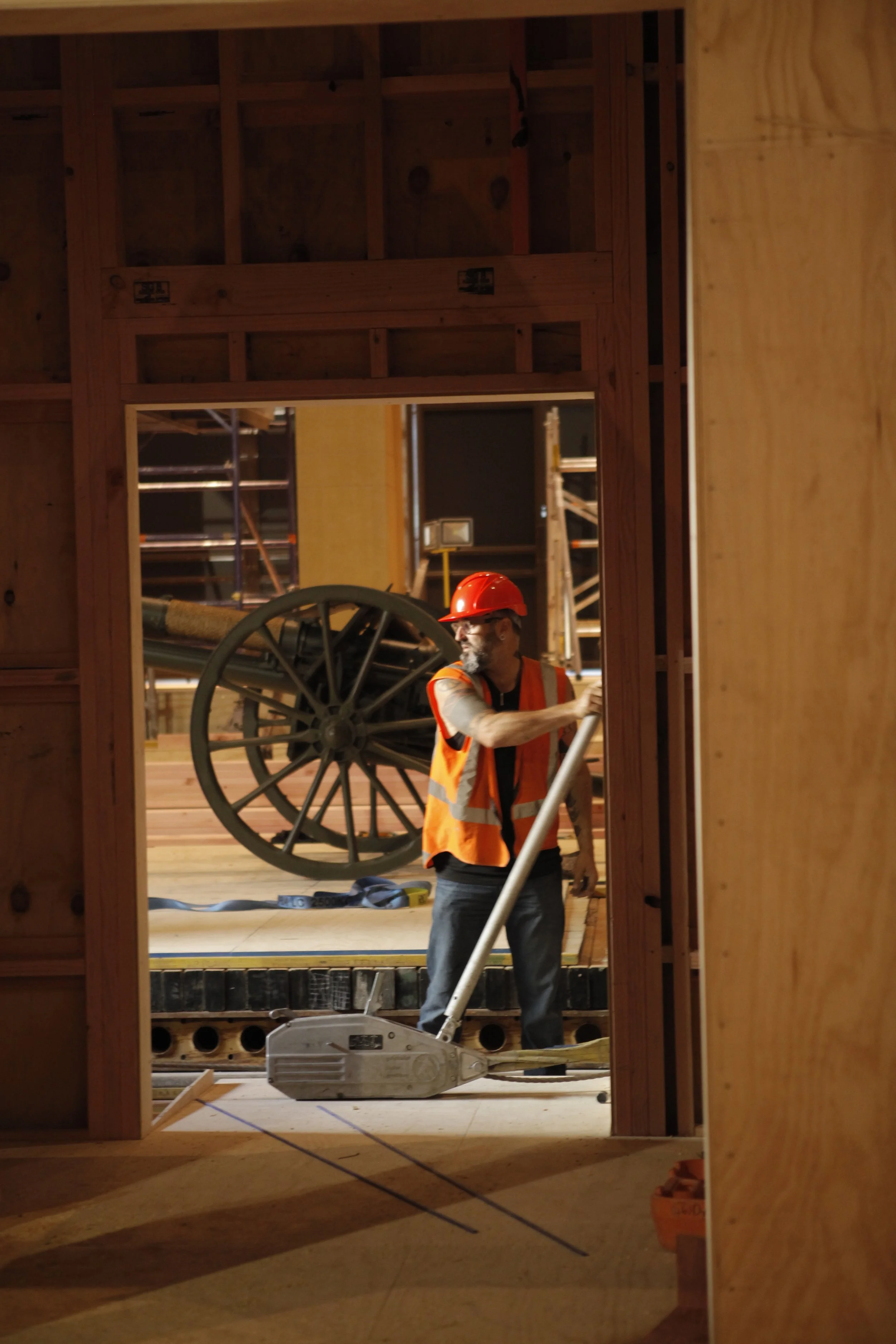
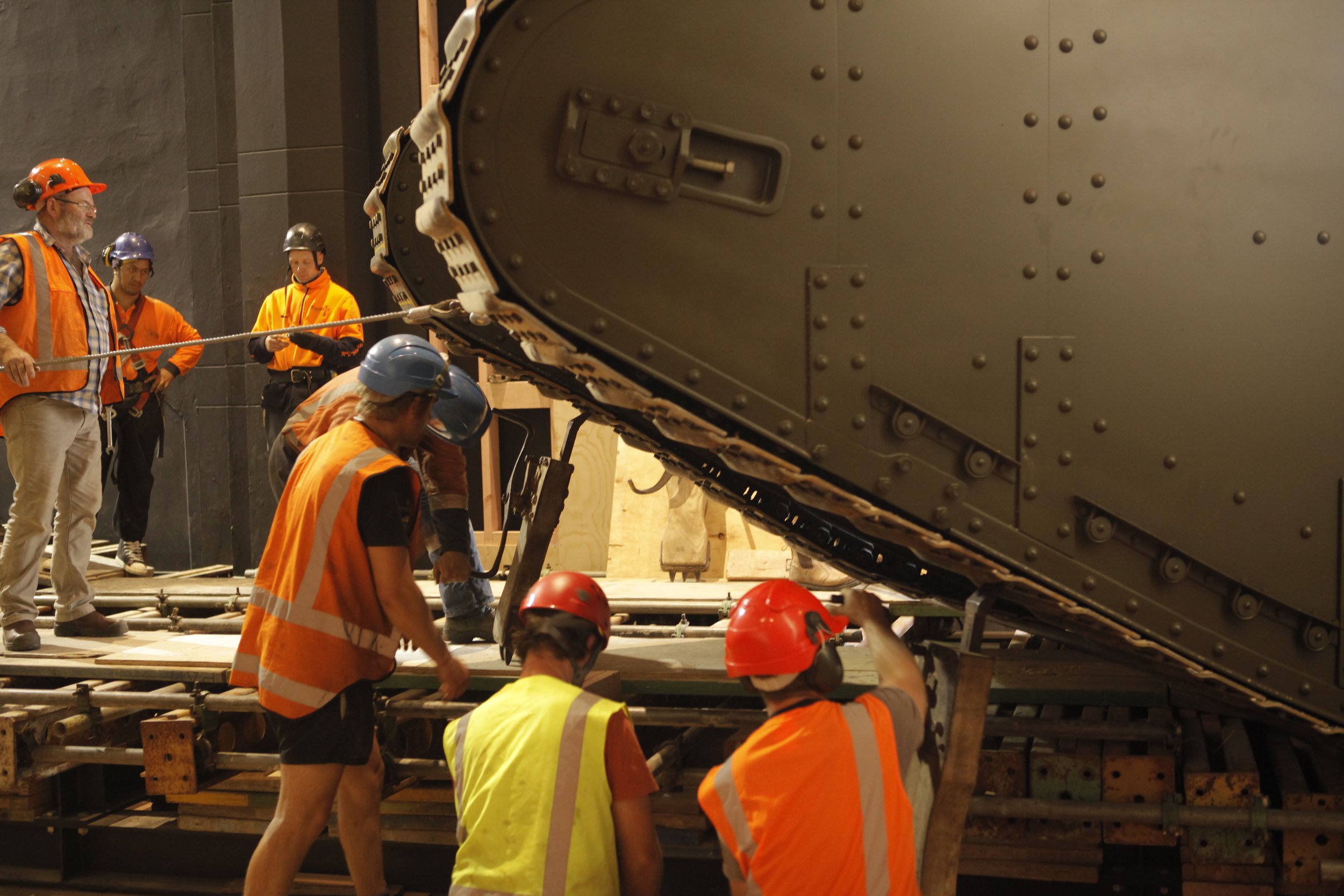
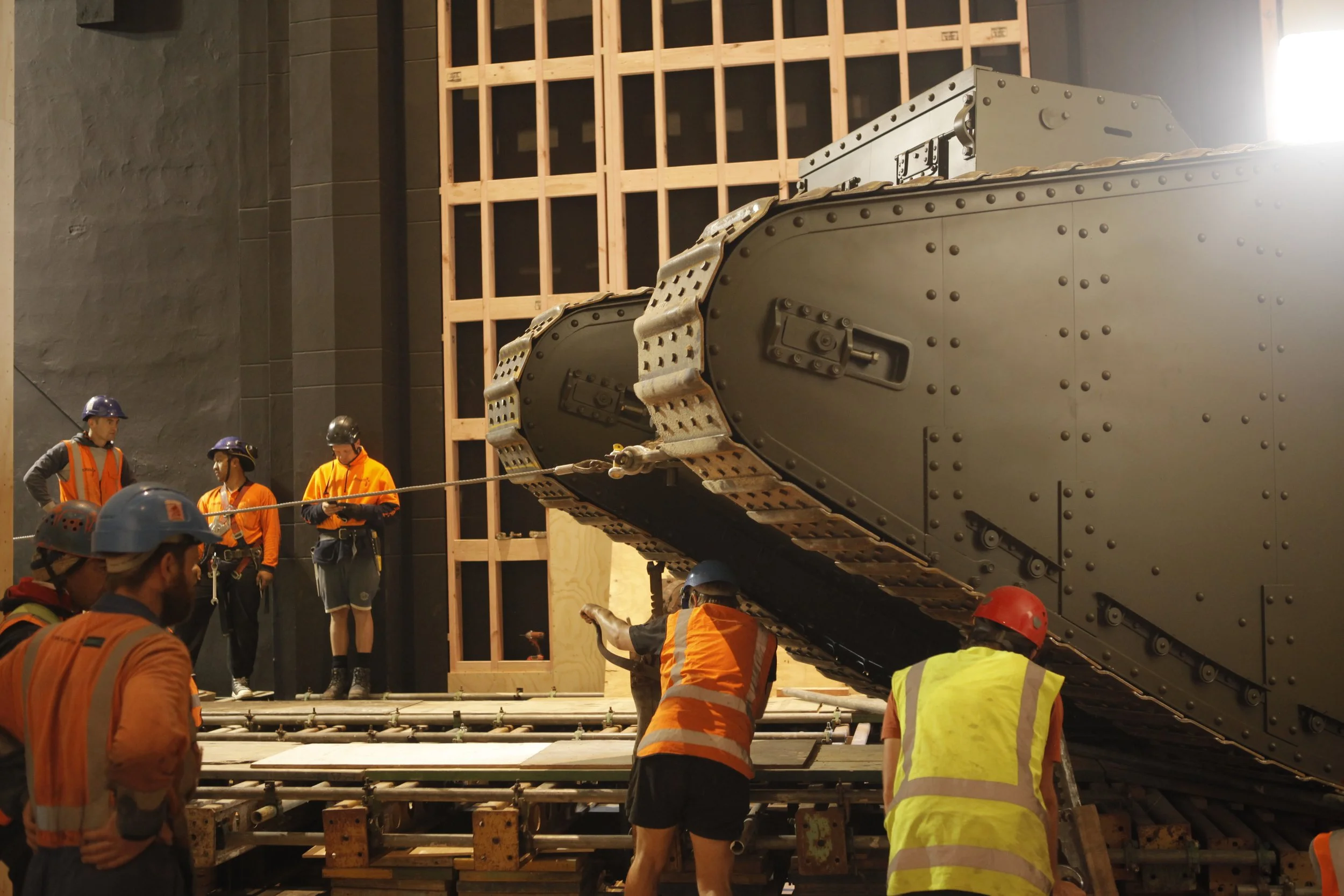
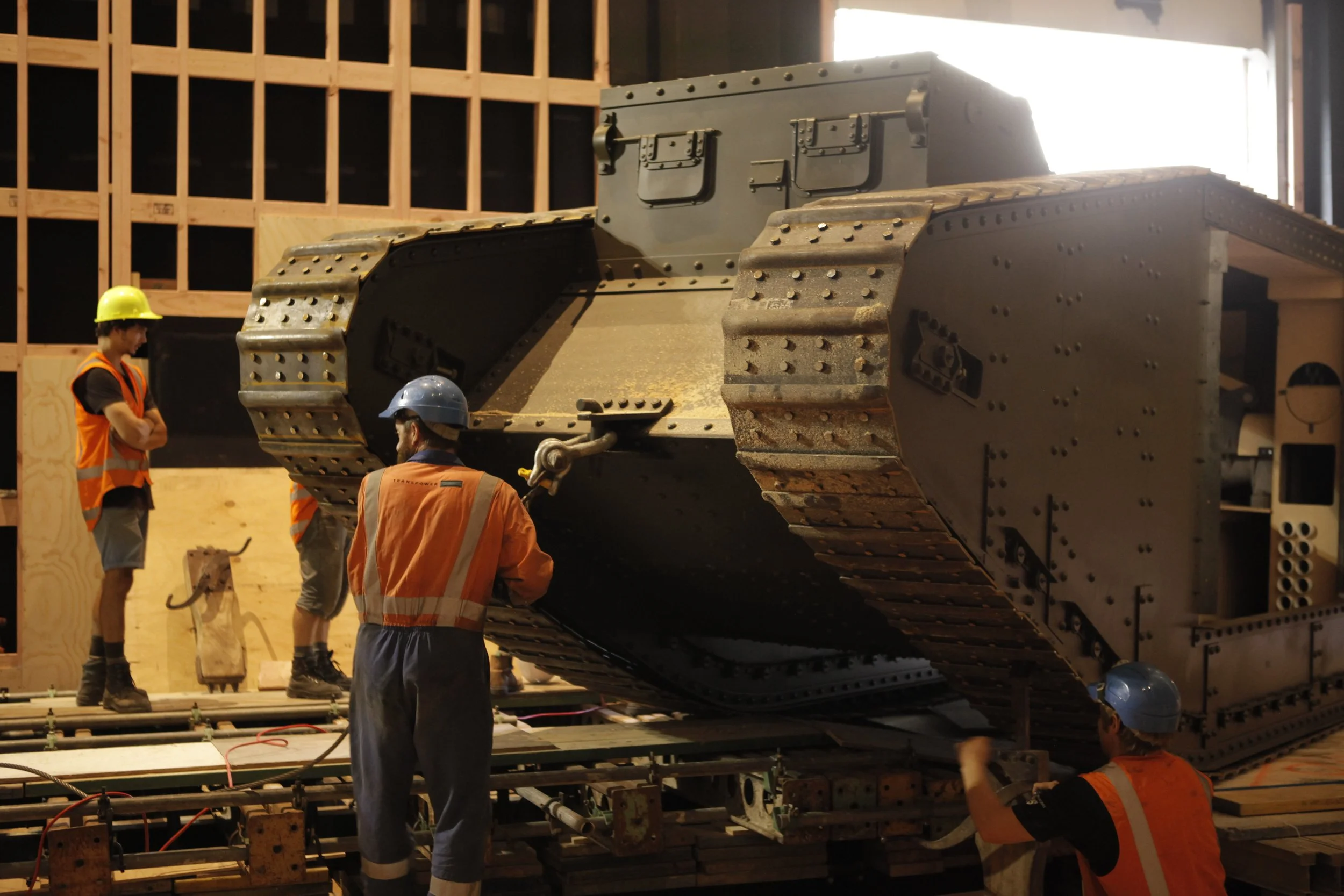
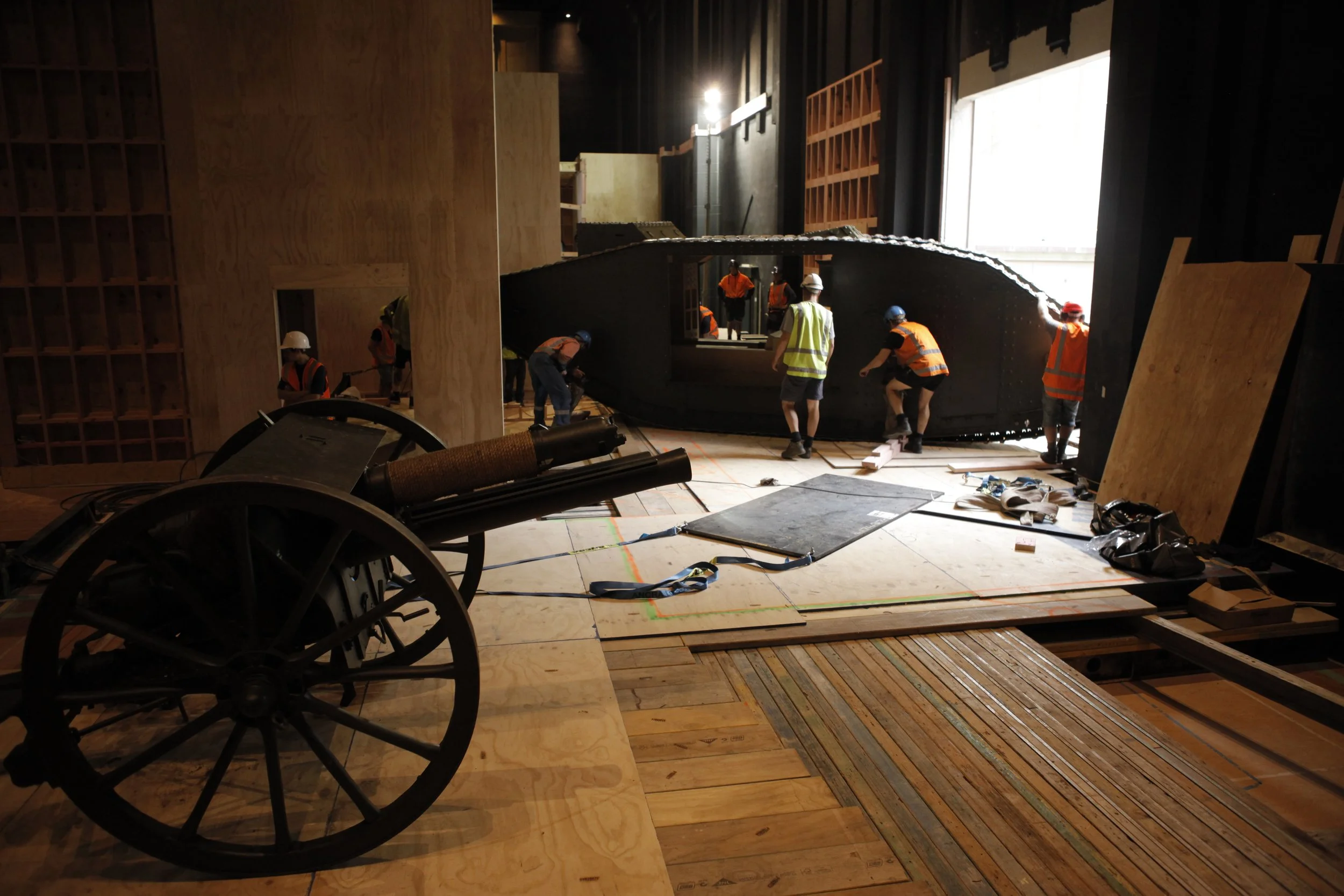
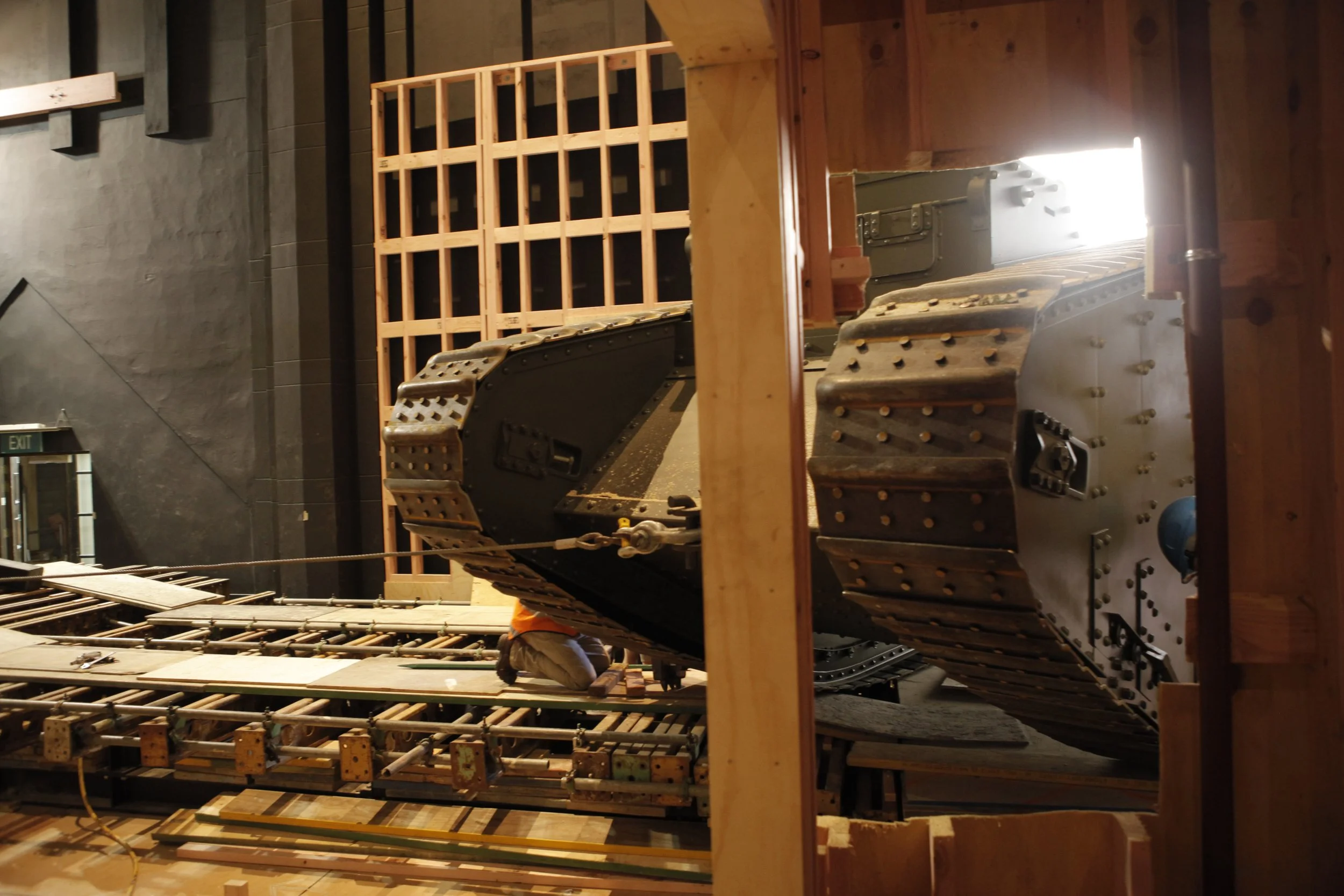
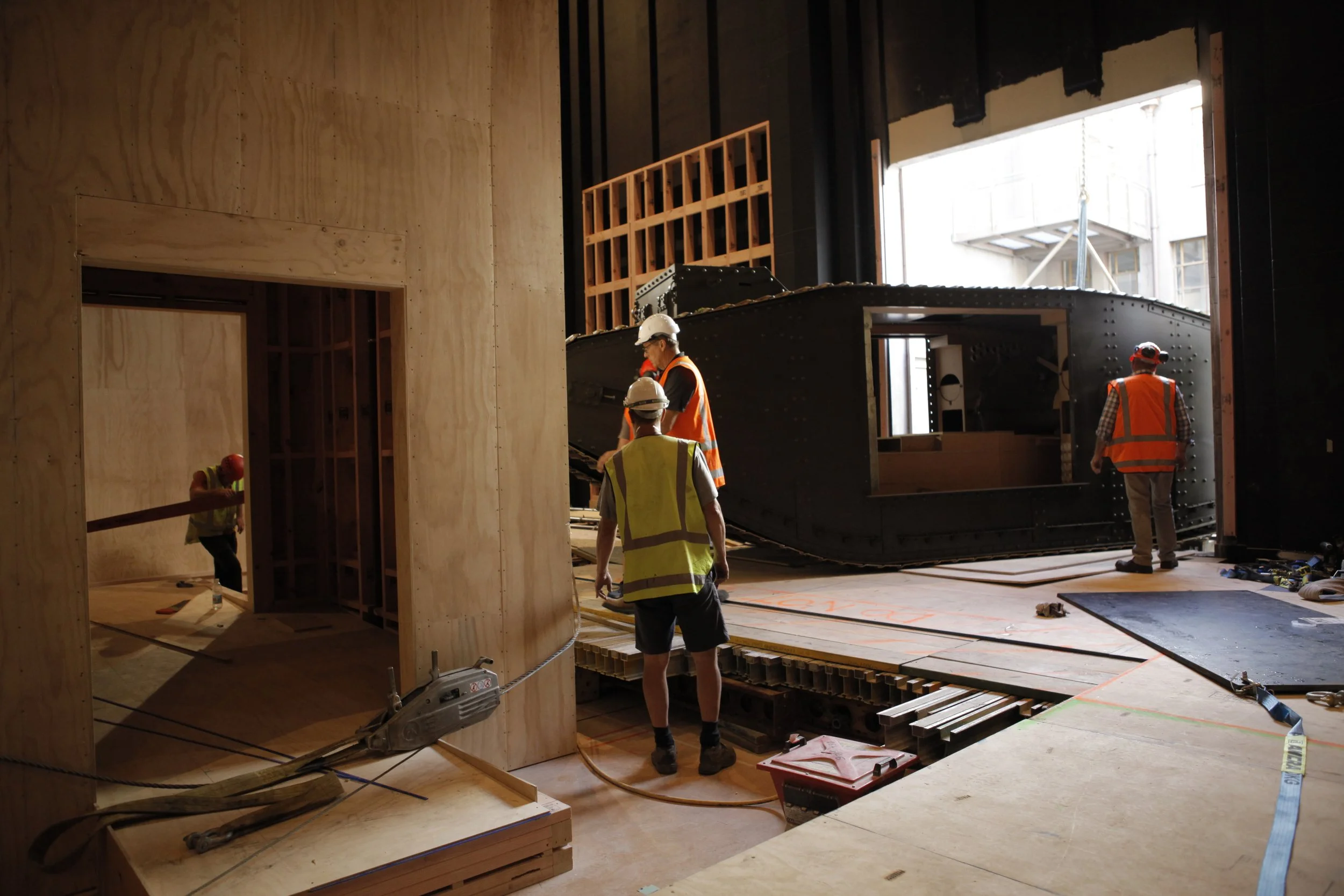
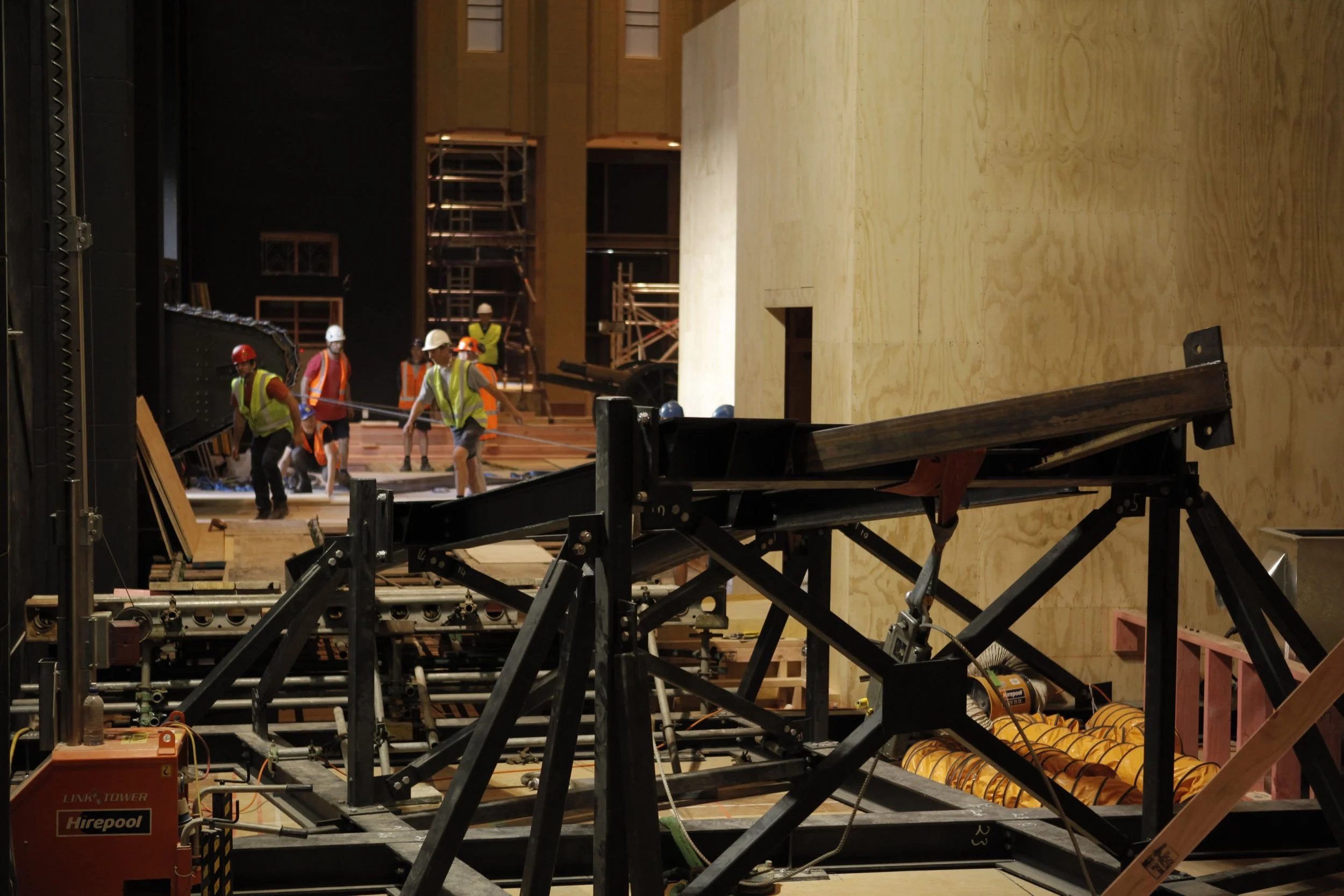
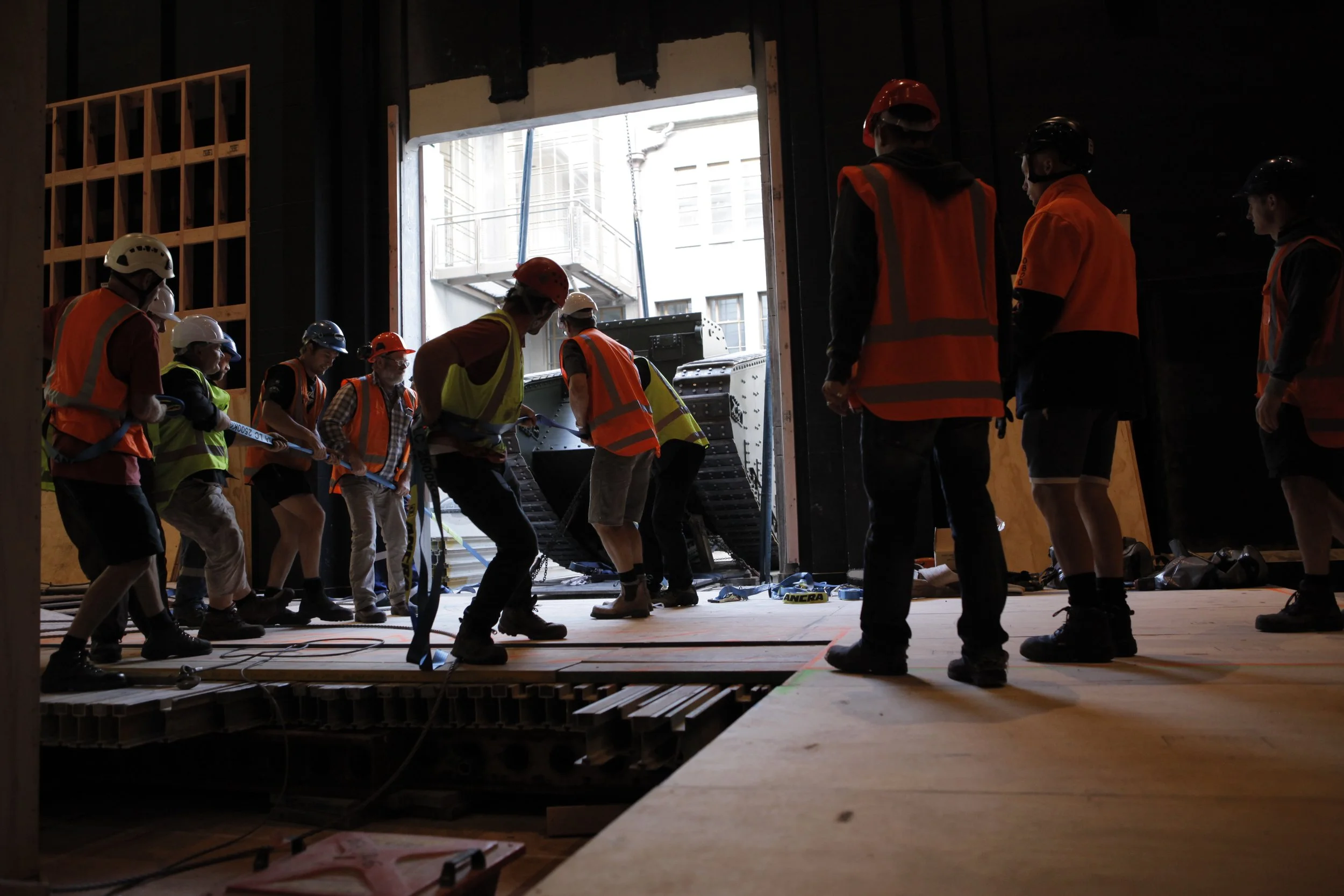
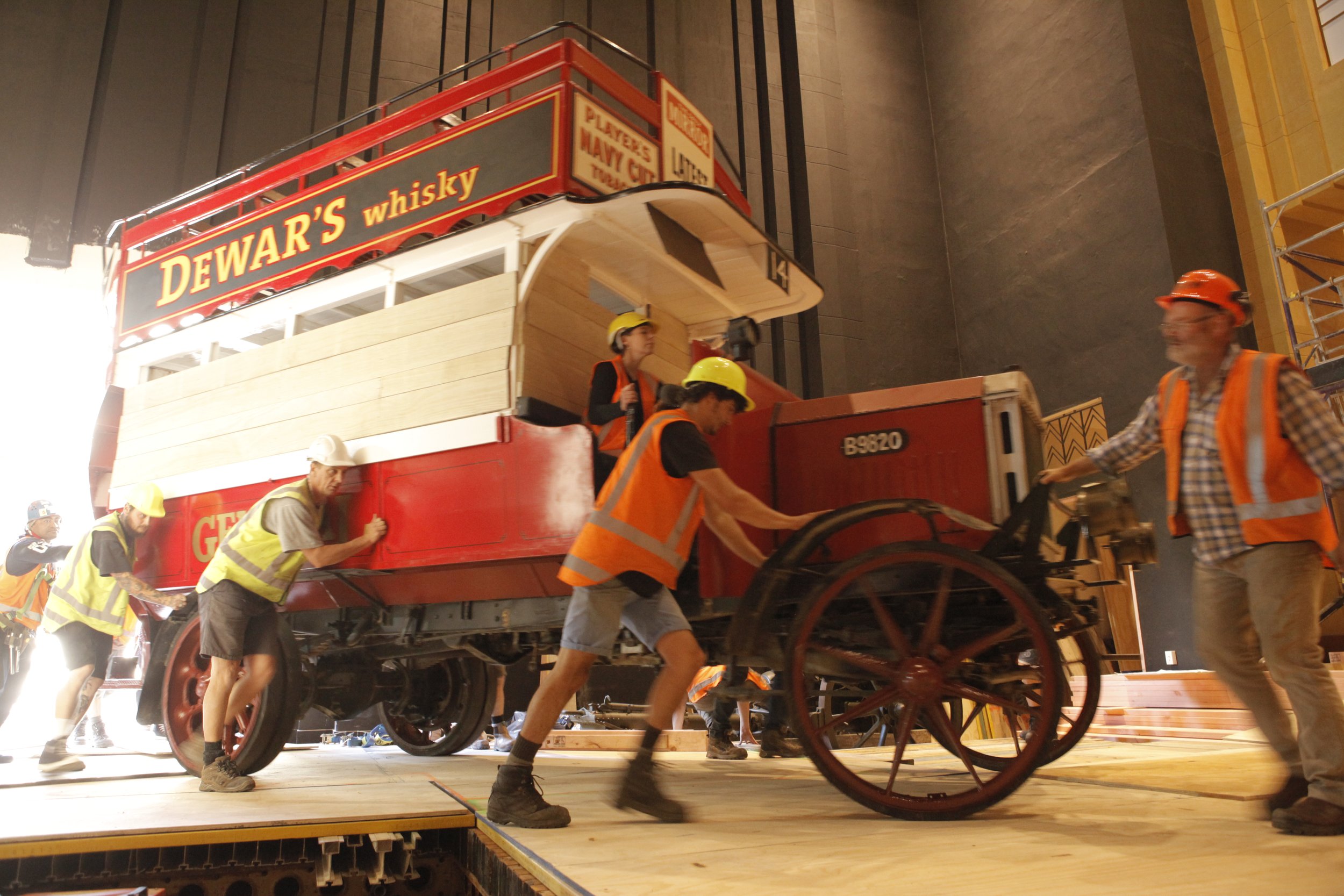
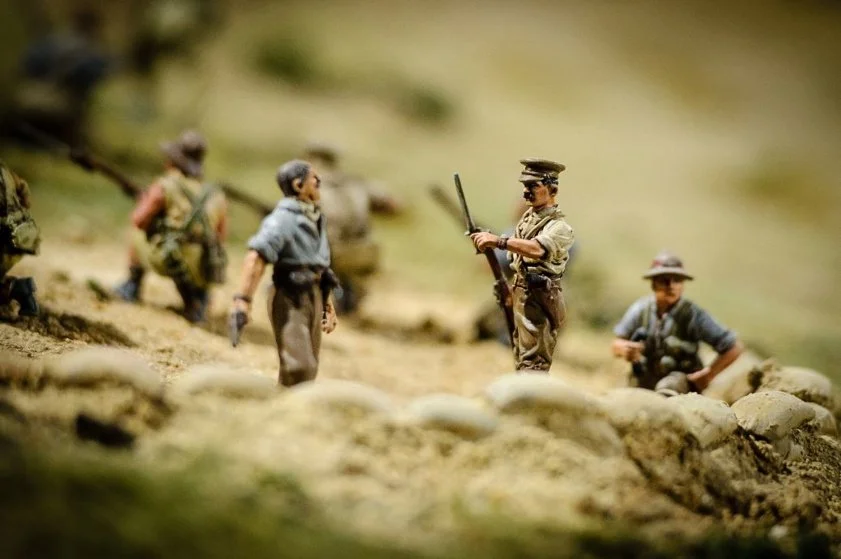
The public exhibition was known for its cinematic presentation, extensive colourised photography, historical artefacts, large-scale scenic environments, miniature models, and immersive approach to First World War storytelling. Project descriptions from firms involved in the fitout describe it as a “movie-like presentation” using extensive materials from Peter Jackson’s personal collection, while WSP notes that the exhibition was delivered under an unusually compressed design and construction programme tied to the Anzac Day 2015 opening deadline.
This project was one of the highlights of my time working with Peter Jackson’s collections. It brought together historical research, photography, colourisation, digital imaging, object handling, exhibition production, and rapid creative problem-solving at a very high standard. It also foreshadowed much of my later museum work: using emerging tools, visual experimentation, and digital workflows to make historical material feel more immediate, accessible, and emotionally powerful.