
Kount Five Plus Two: Retro Taranaki Exhibition
Photos by Rosie Moyes
Project: Kount Five Plus Two exhibition media
Exhibition: Kount Five Plus Two: Pop Culture in Retro Taranaki 1966–1983
Location: Puke Ariki Museum, New Plymouth, Aotearoa New Zealand
Dates: 9 December 2023 – 9 June 2024
Role: Digital content coordination, interactive media development, AV production, digitisation oversight, animation, image compositing, graphic reconstruction
Curator: Megan Wells
Collaborators: Puke Ariki curatorial and exhibitions teams, Rosie Moyes
Media: Motion-triggered digital characters, touchscreen interactives, projection media, QR-linked online content, digitised collection material, retro graphic treatments, floor vinyls, exhibition AV
Tools / Methods: Digital animation, motion-triggered media, touchscreen development, collection digitisation, digital photography, image compositing, AI-assisted media production, AV editing, graphic reconstruction
Digital content coordination, motion-triggered characters, touchscreen interactives, collection digitisation, projection media, and retro graphic reconstruction for Puke Ariki’s exhibition on Taranaki covers band Kount Five Plus Two. Working with curator Megan Wells, the exhibition team, and Rosie Moyes, I helped develop playful digital and AV components that brought local music, fashion, and pop culture history to life.
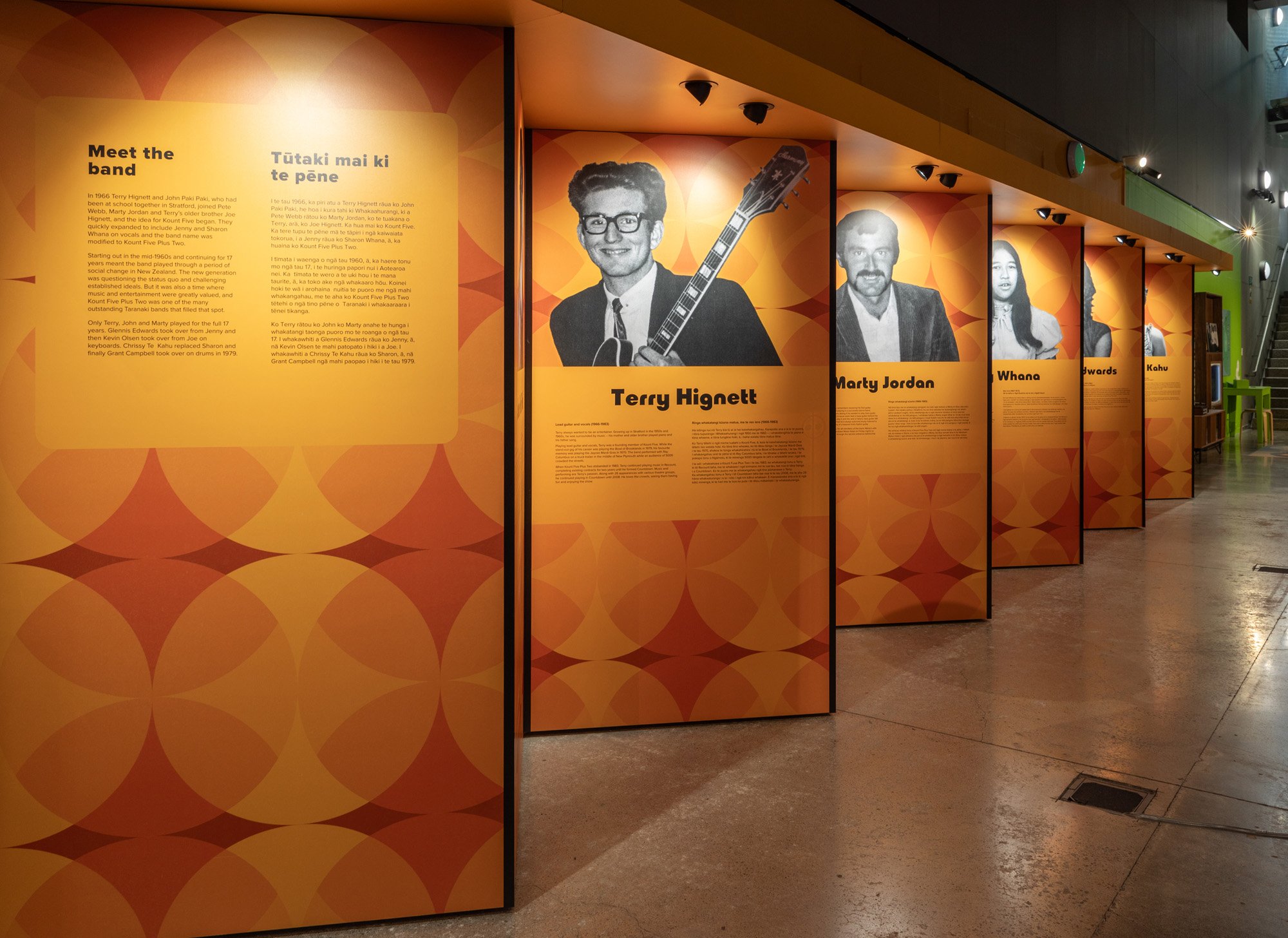
Kount Five Plus Two: Pop Culture in Retro Taranaki 1966–1983 was a major summer exhibition at Puke Ariki Museum celebrating Stratford’s Kount Five Plus Two, an iconic Taranaki covers band that performed across the region through the 1960s, 1970s, and 1980s. The exhibition explored the band’s history alongside wider shifts in local music, entertainment, fashion, social change, and retro popular culture. It ran in Puke Ariki’s Temporary Gallery from 9 December 2023 to 9 June 2024.
Working with curator Megan Wells, the exhibitions team, the curatorial team, and my colleague Rosie Moyes, I supported the exhibition as digital content coordinator and developer across a wide range of media components. This included digital interactives, motion-triggered AV, collection digitisation, projection material, QR-linked online content, graphic reconstruction, and technical support for the exhibition’s multimedia environment.
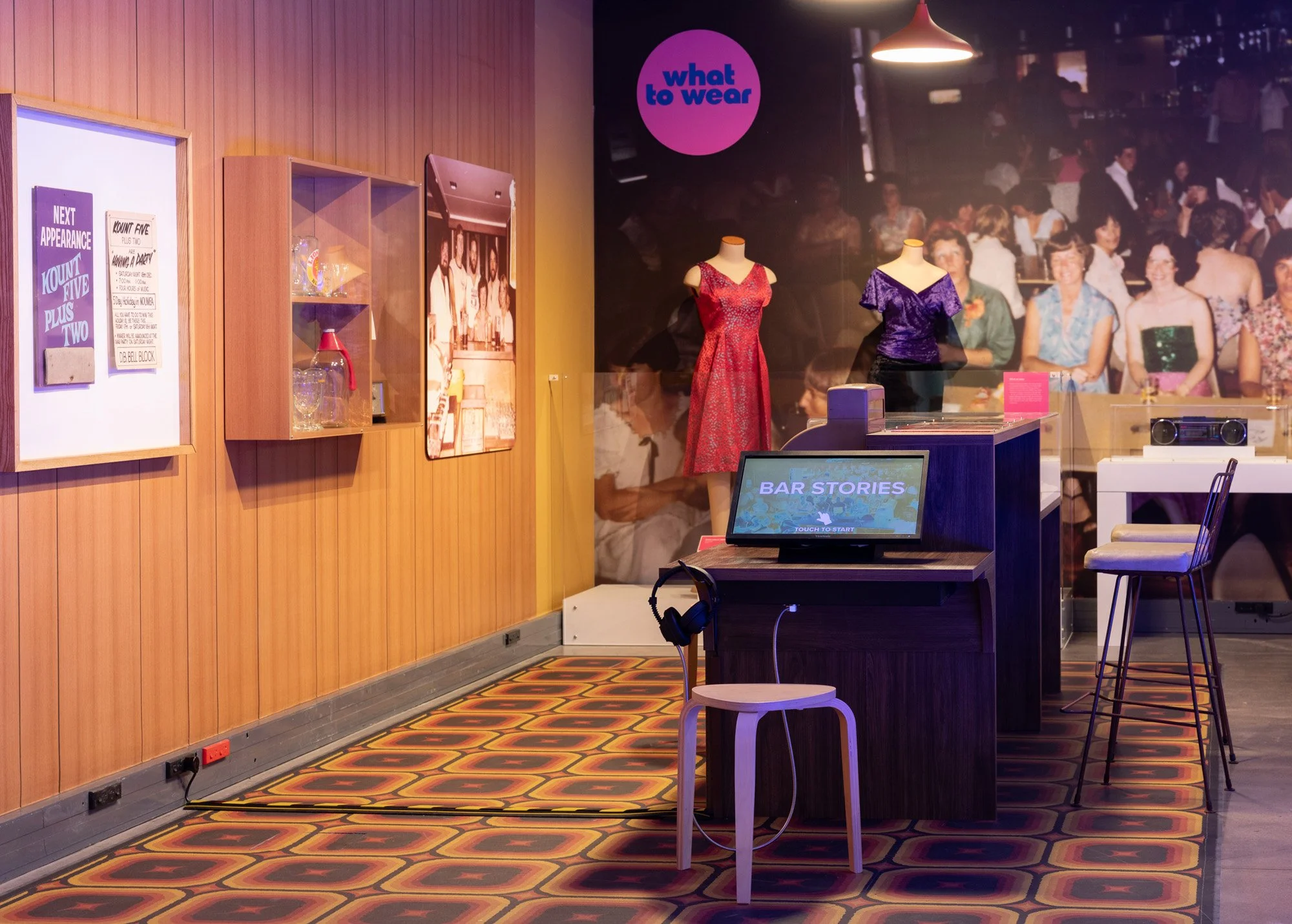
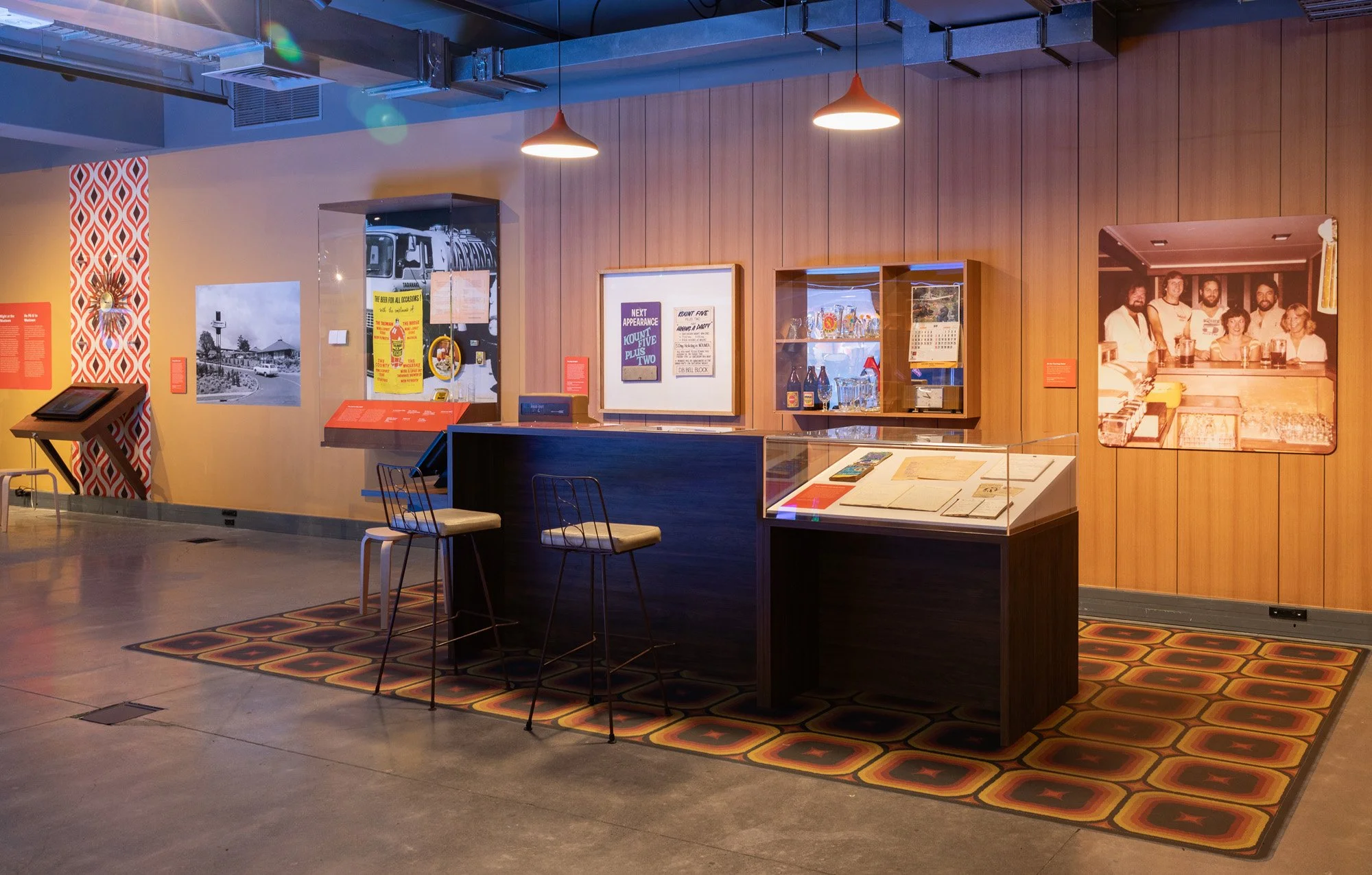
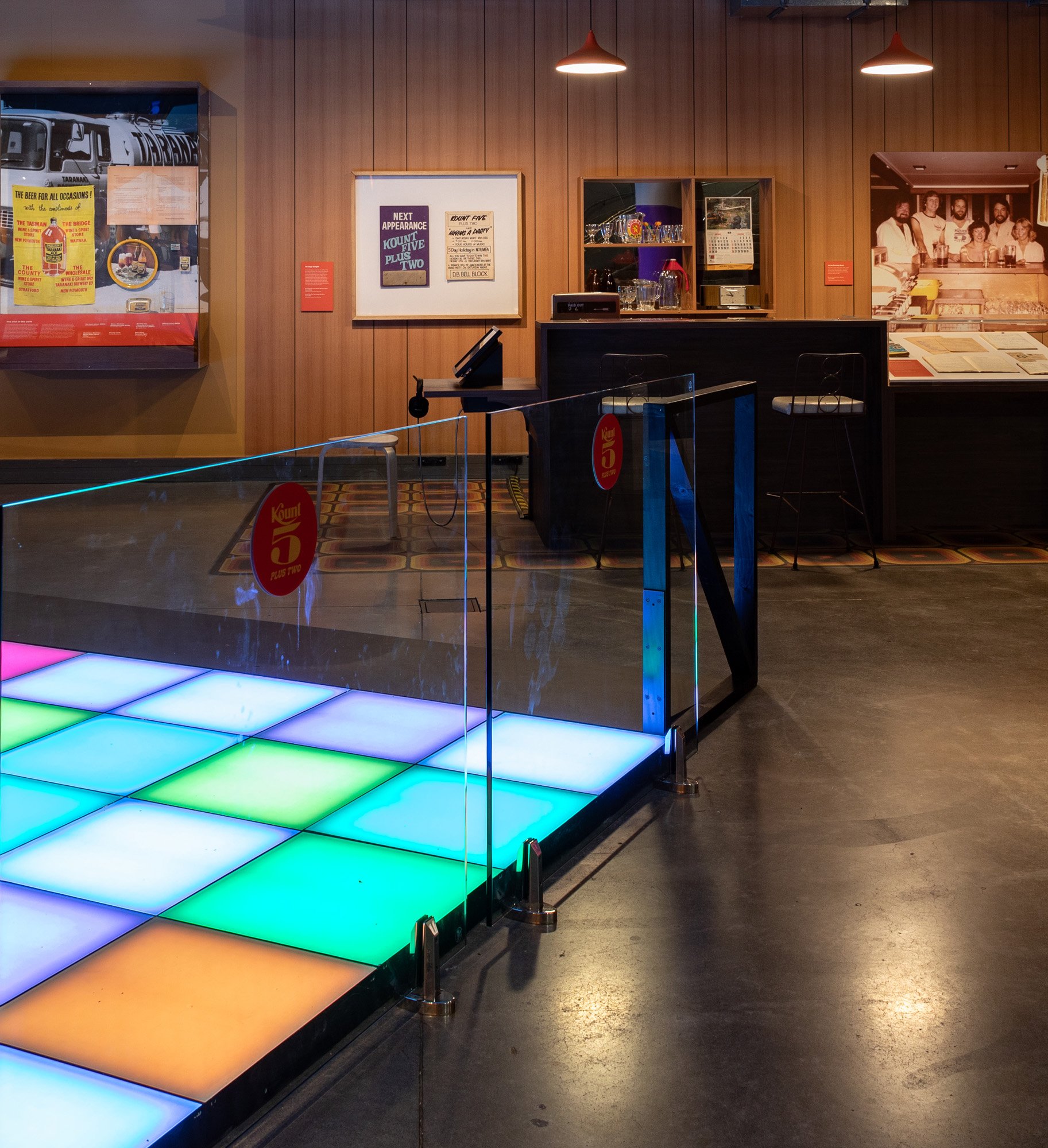
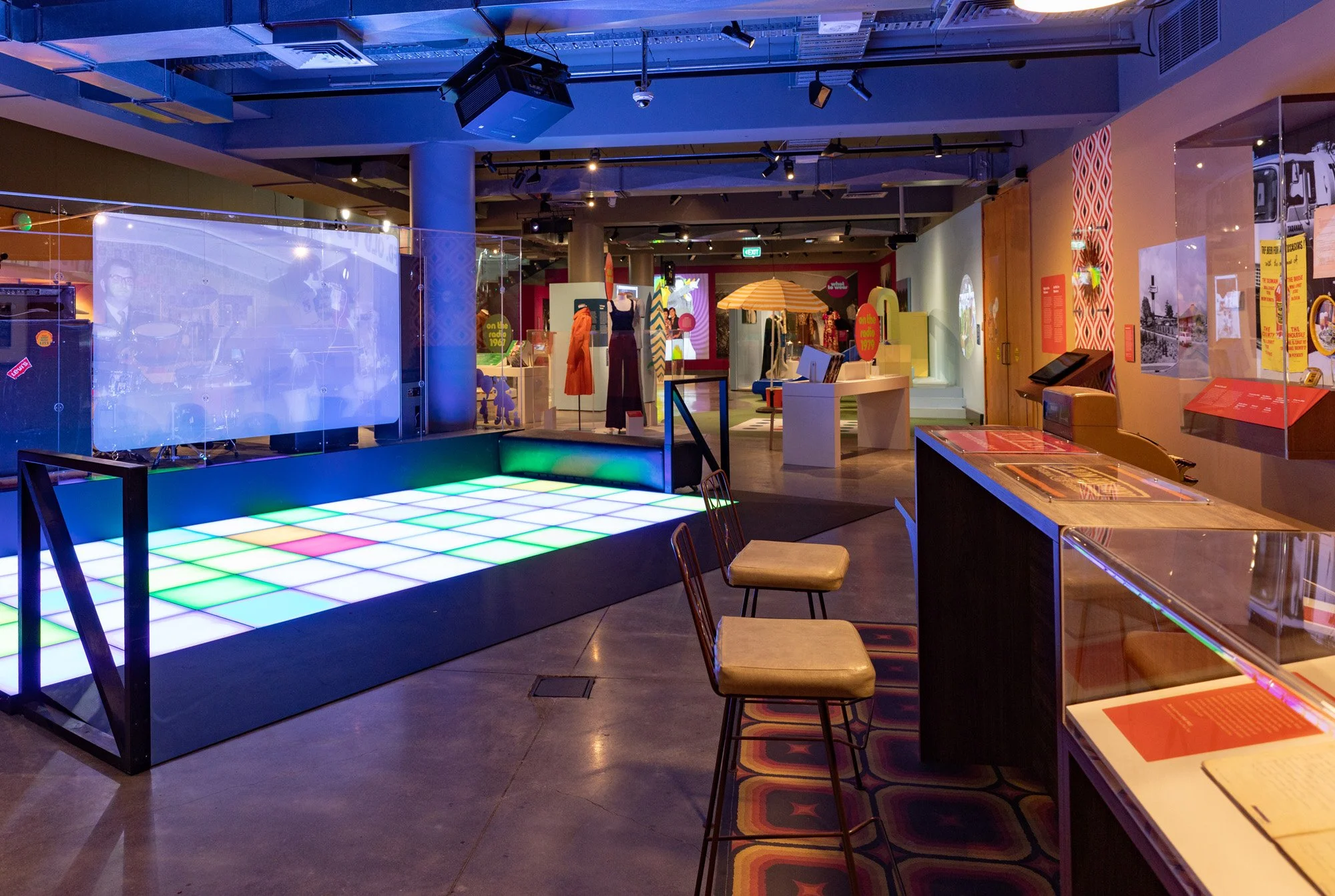
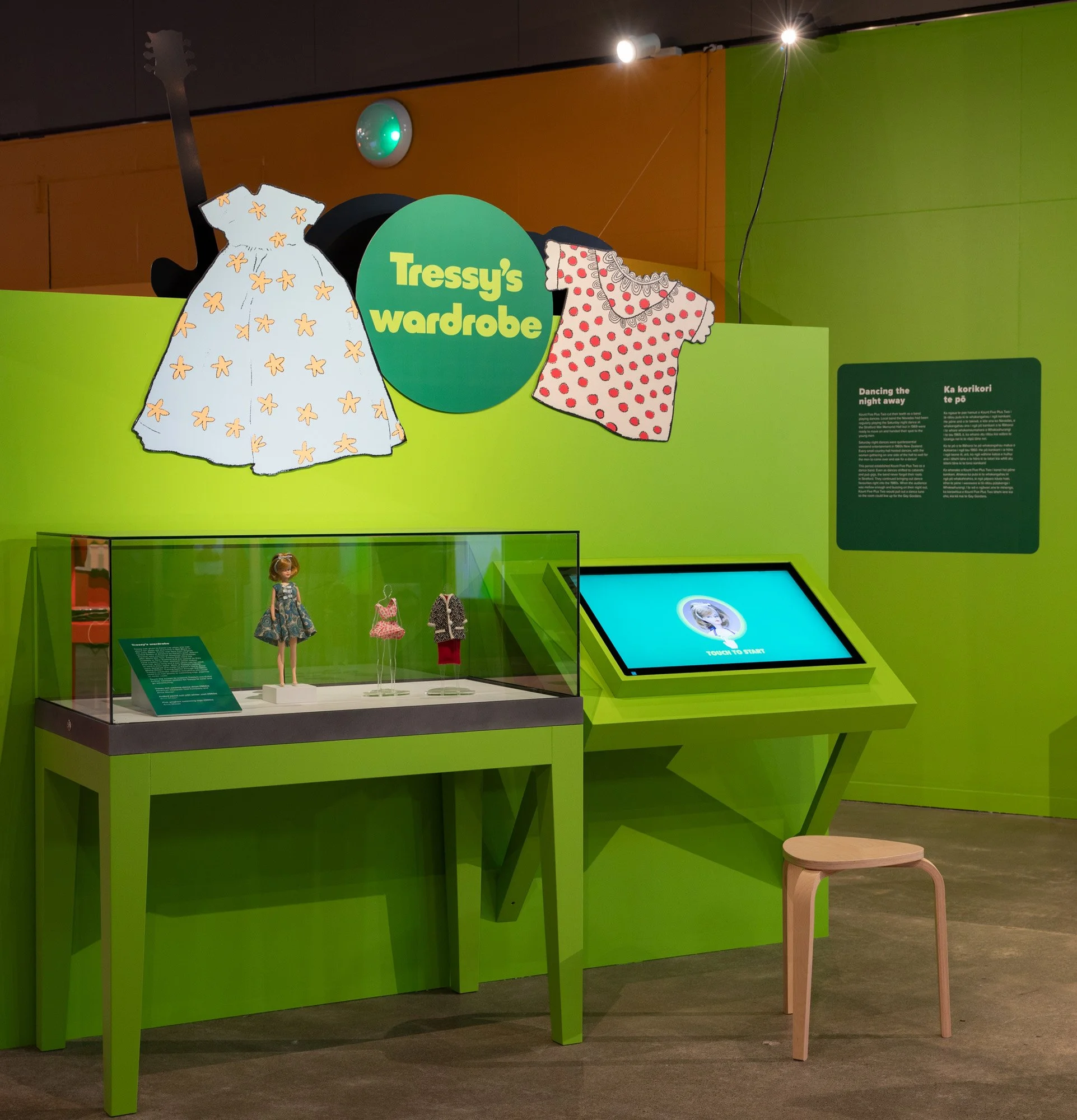
Photos by Rosie Moyes
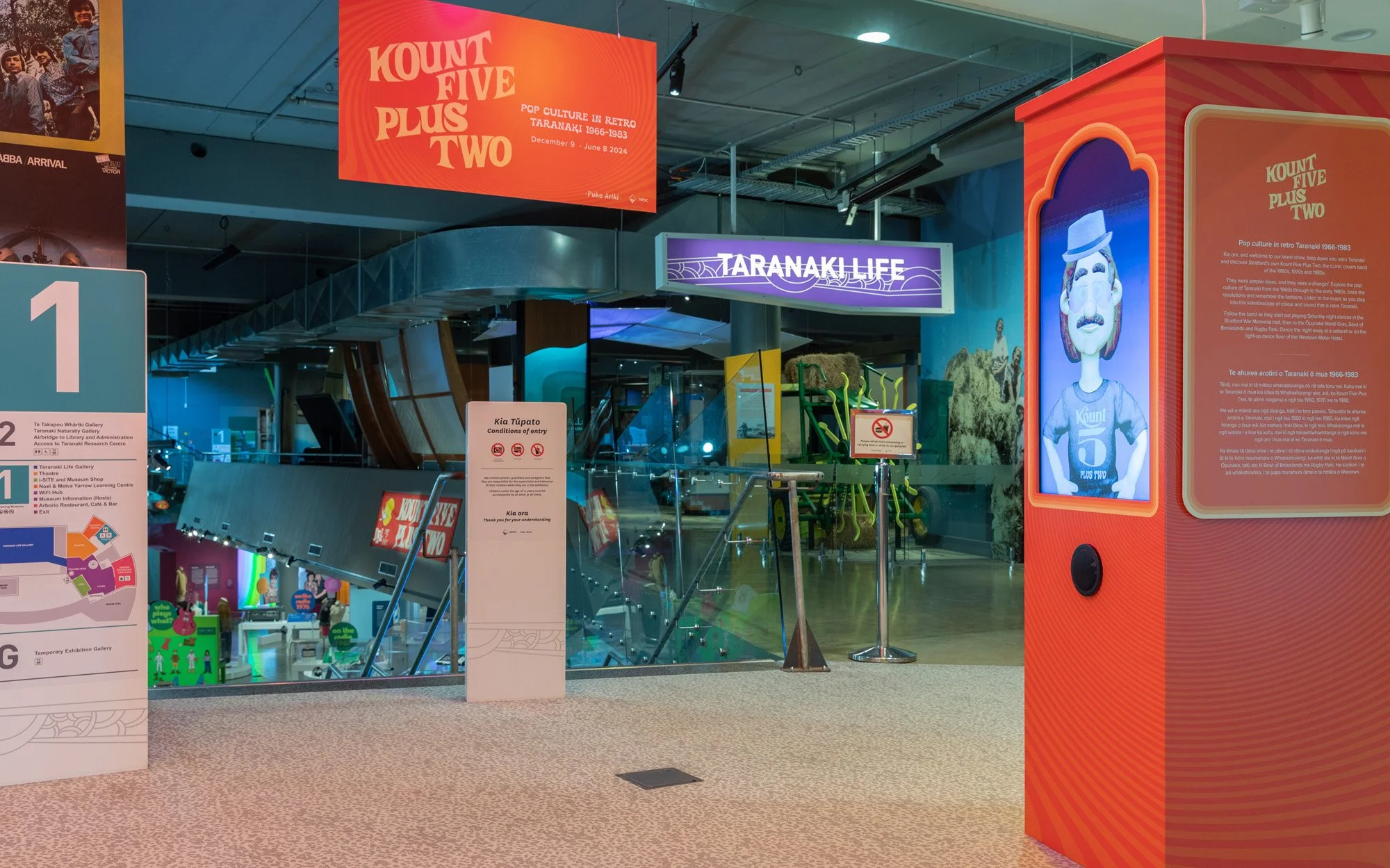
One of the key components I developed was a motion-triggered digital character experience at the entrance to the exhibition. Designed as a ticket-booth-style encounter at the top of the stairs, the installation used a screen embedded within the booth to create the illusion of an animated host welcoming visitors into the exhibition. I wrote the scripts, recorded staff voices, developed the characters, and animated them using digital animation tools. Each character had multiple modes or welcome messages that rotated, giving the entrance a playful, theatrical quality and setting the tone for the retro entertainment experience.
The exhibition also included a wide range of AV and multimedia components using collection material, music culture references, and period imagery. I supervised and supported the digitisation of collection material from Puke Ariki, alongside externally contributed material, preparing assets for use in projections, interactives, and exhibition graphics. This digitisation work helped turn archival photographs, ephemera, and pop culture material into dynamic media elements throughout the gallery.
A major interactive component was the digital Tressy doll. Drawing on a Tressy doll held in the collection, I photographed dozens of outfits and developed a touchscreen “digital dresser” that allowed visitors to dress the doll in different looks. The interactive placed Tressy in a designed scene and turned a collection object into a playful visitor experience that connected with the exhibition’s broader themes of retro fashion, nostalgia, and pop culture.
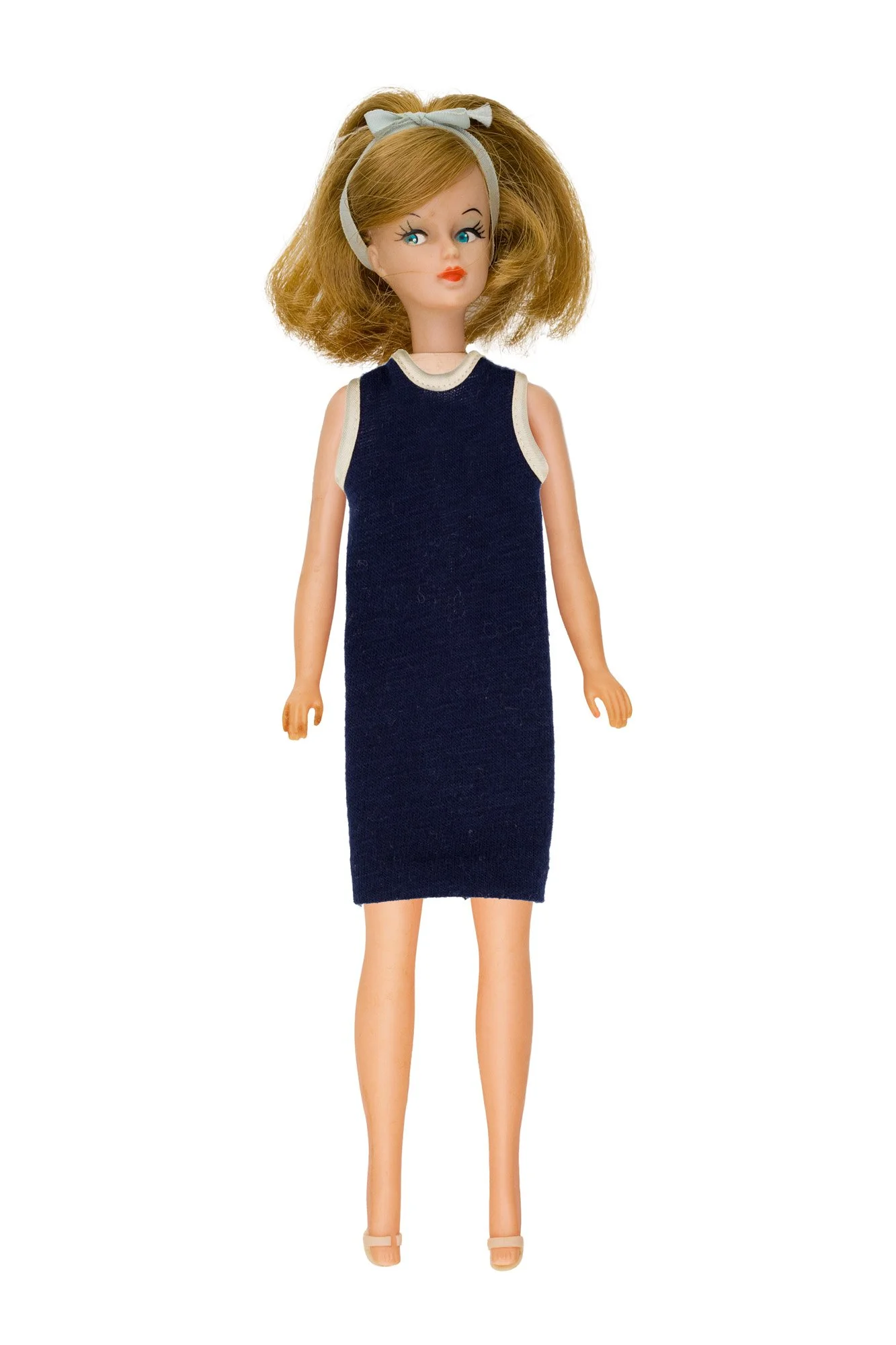
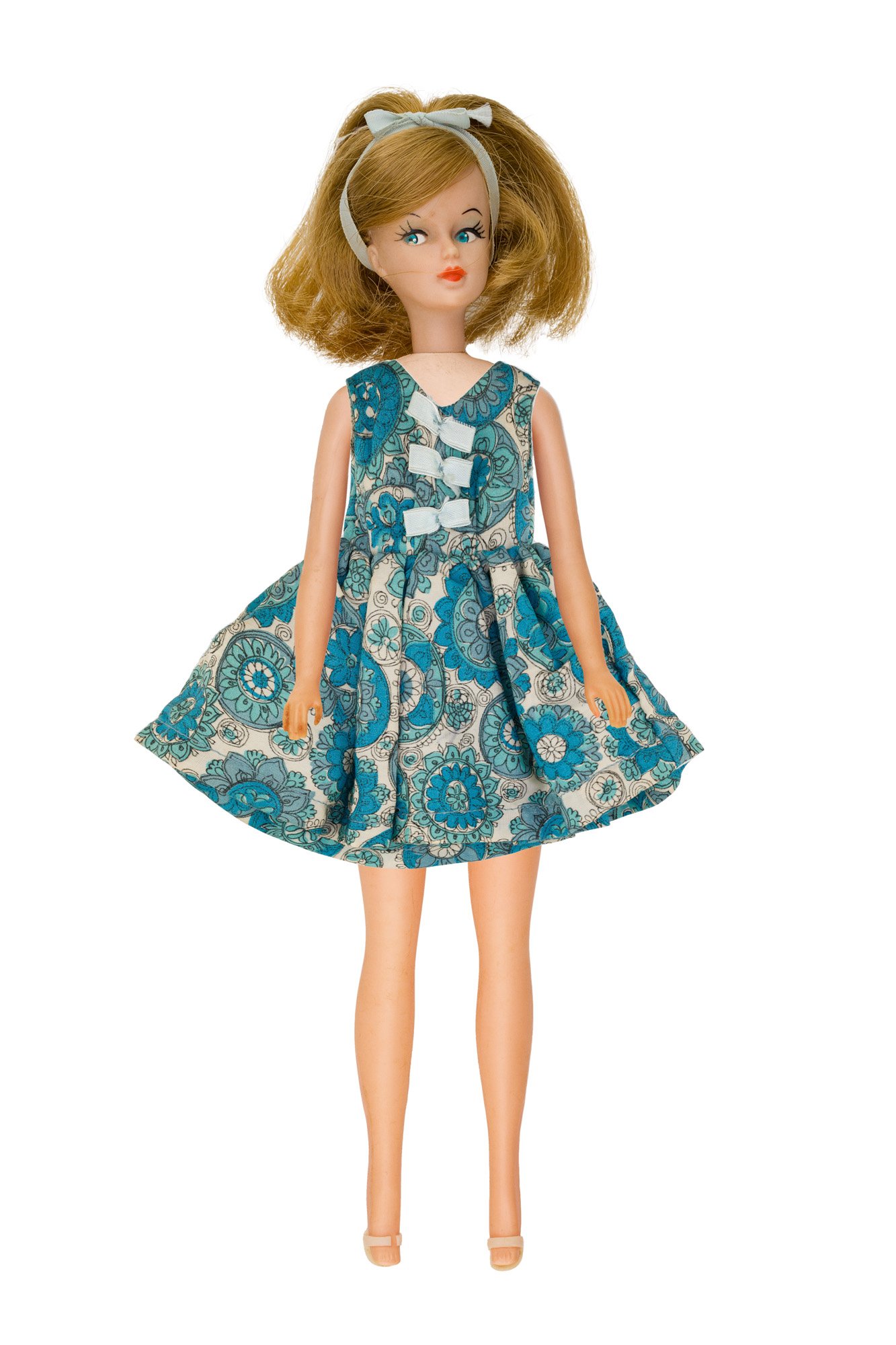
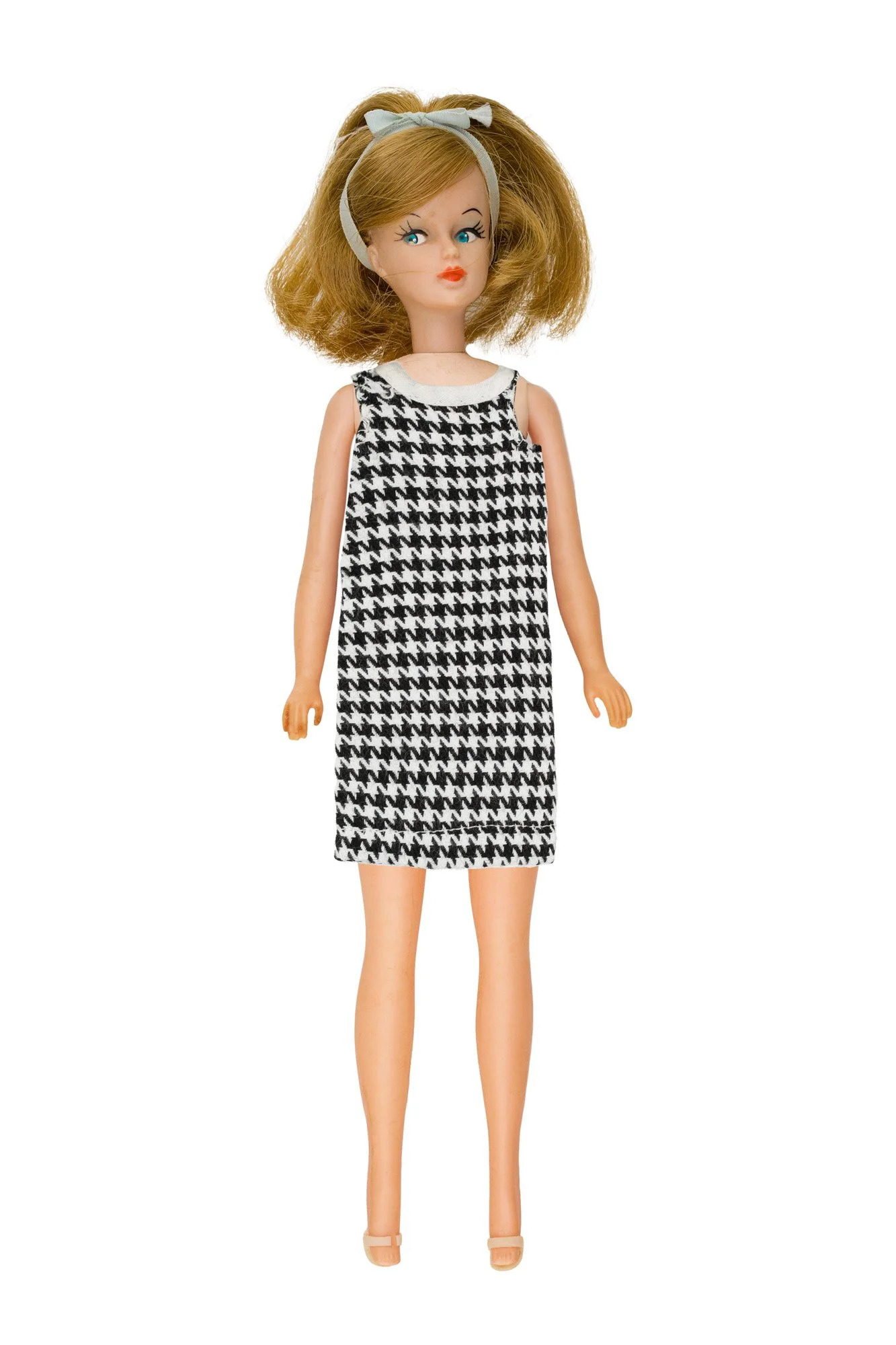
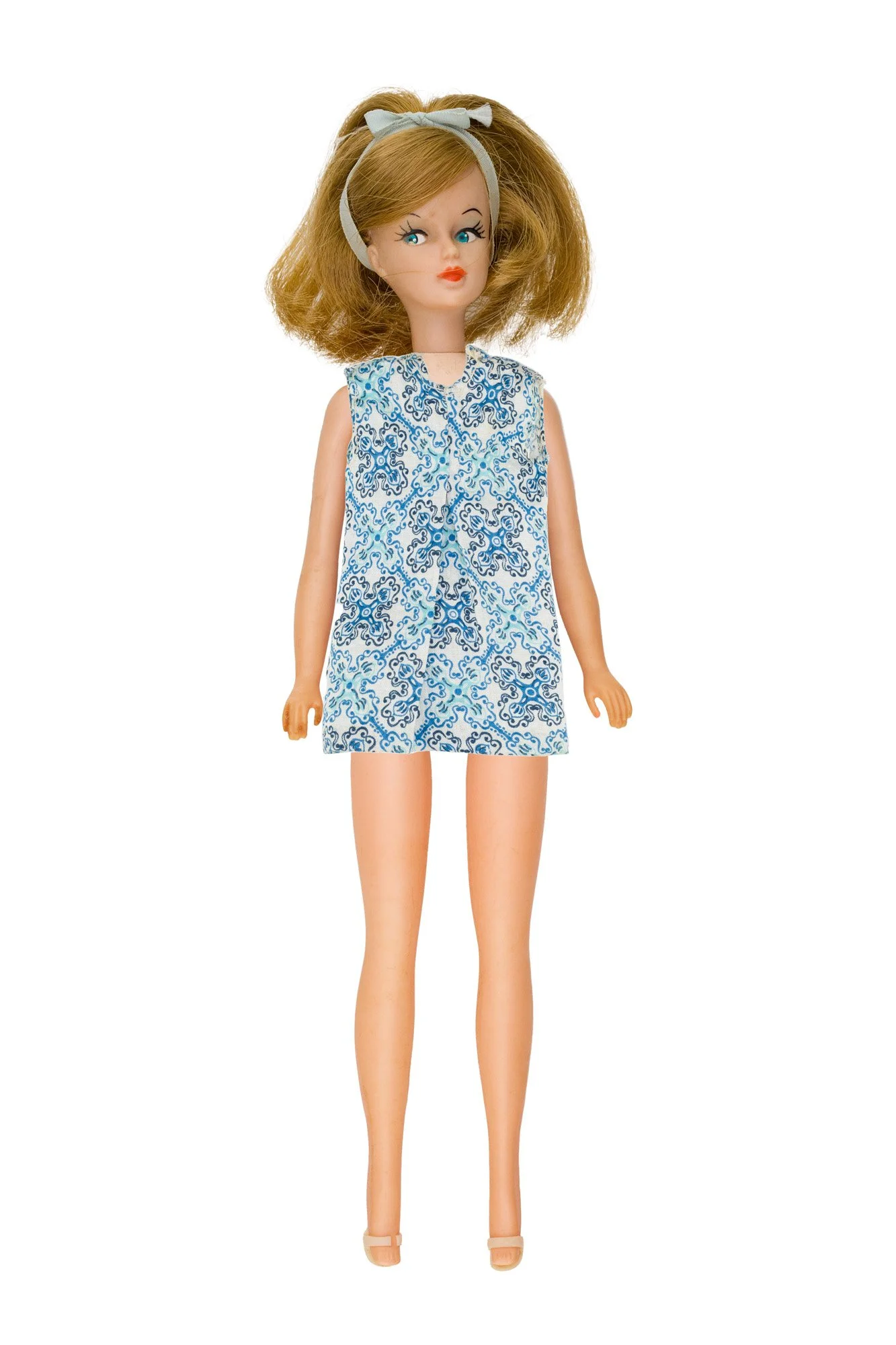
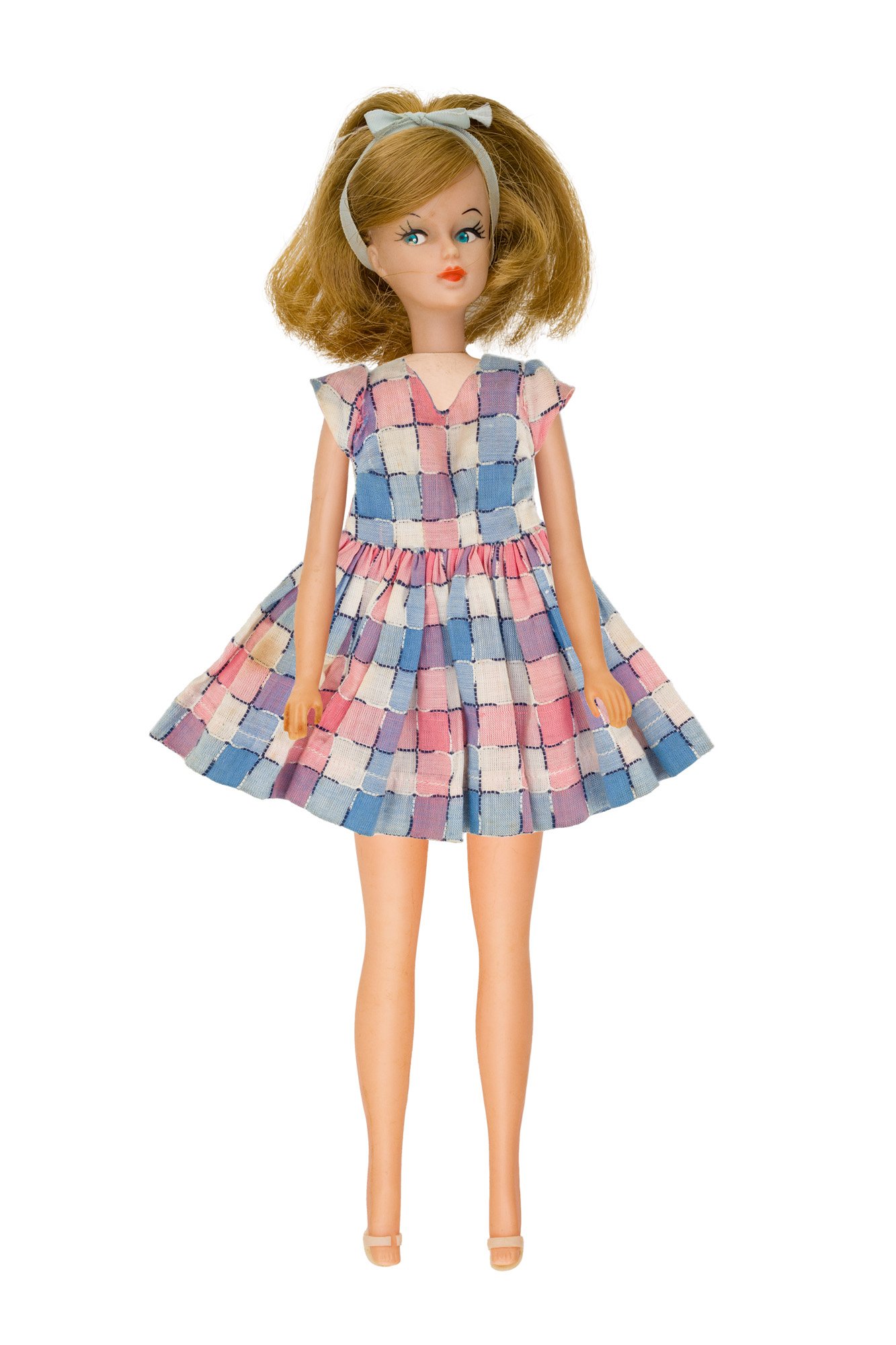
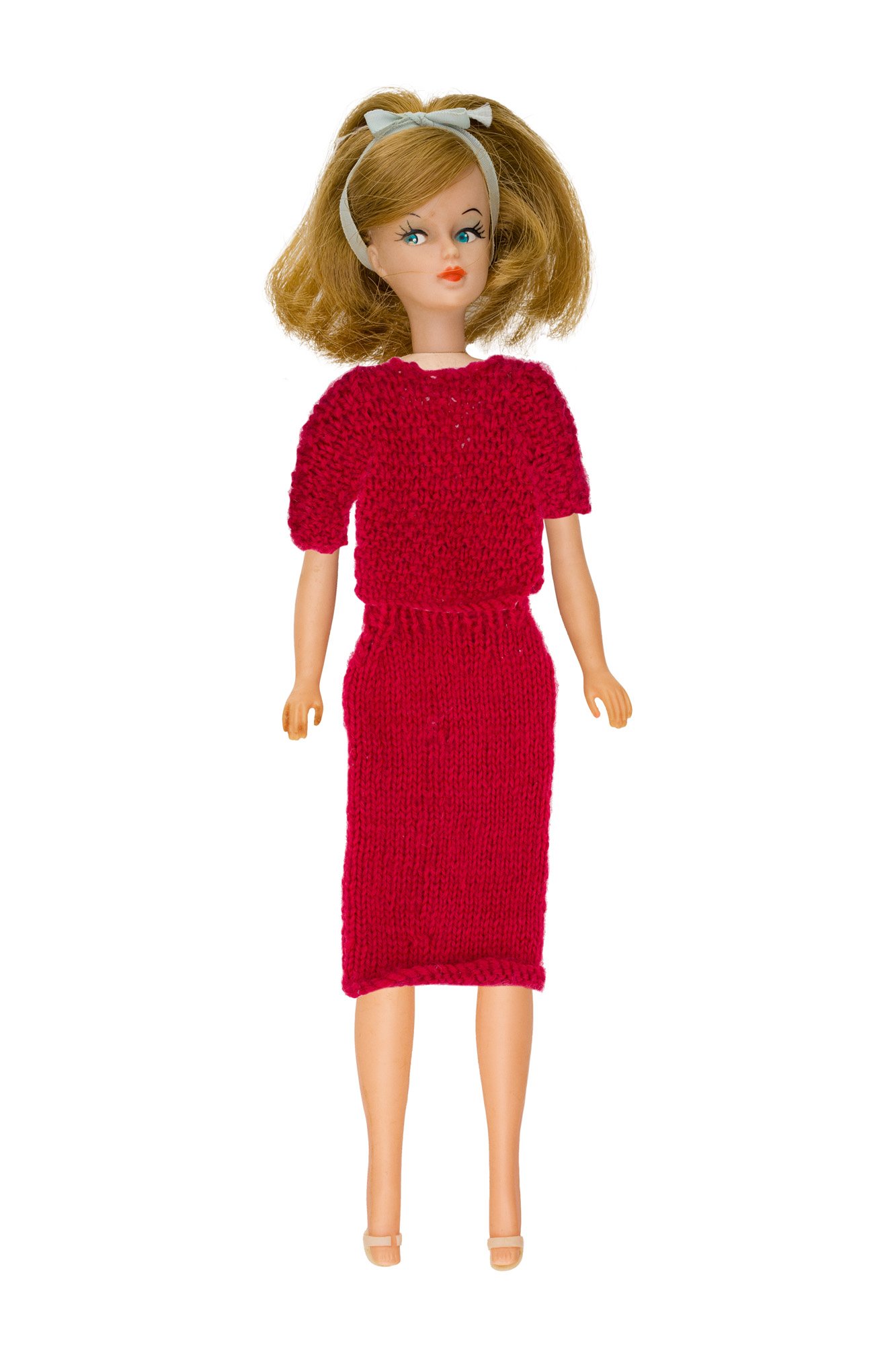
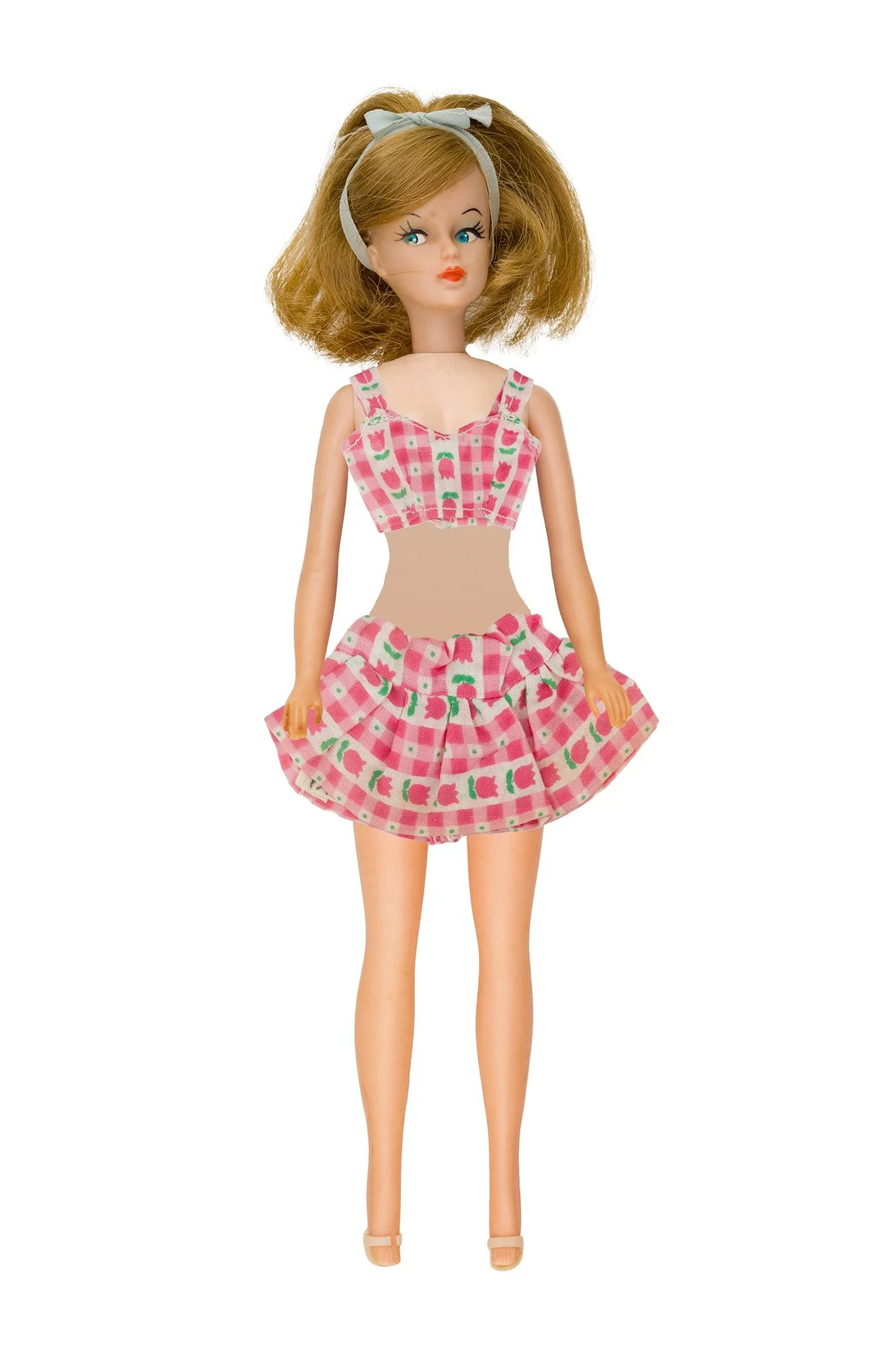
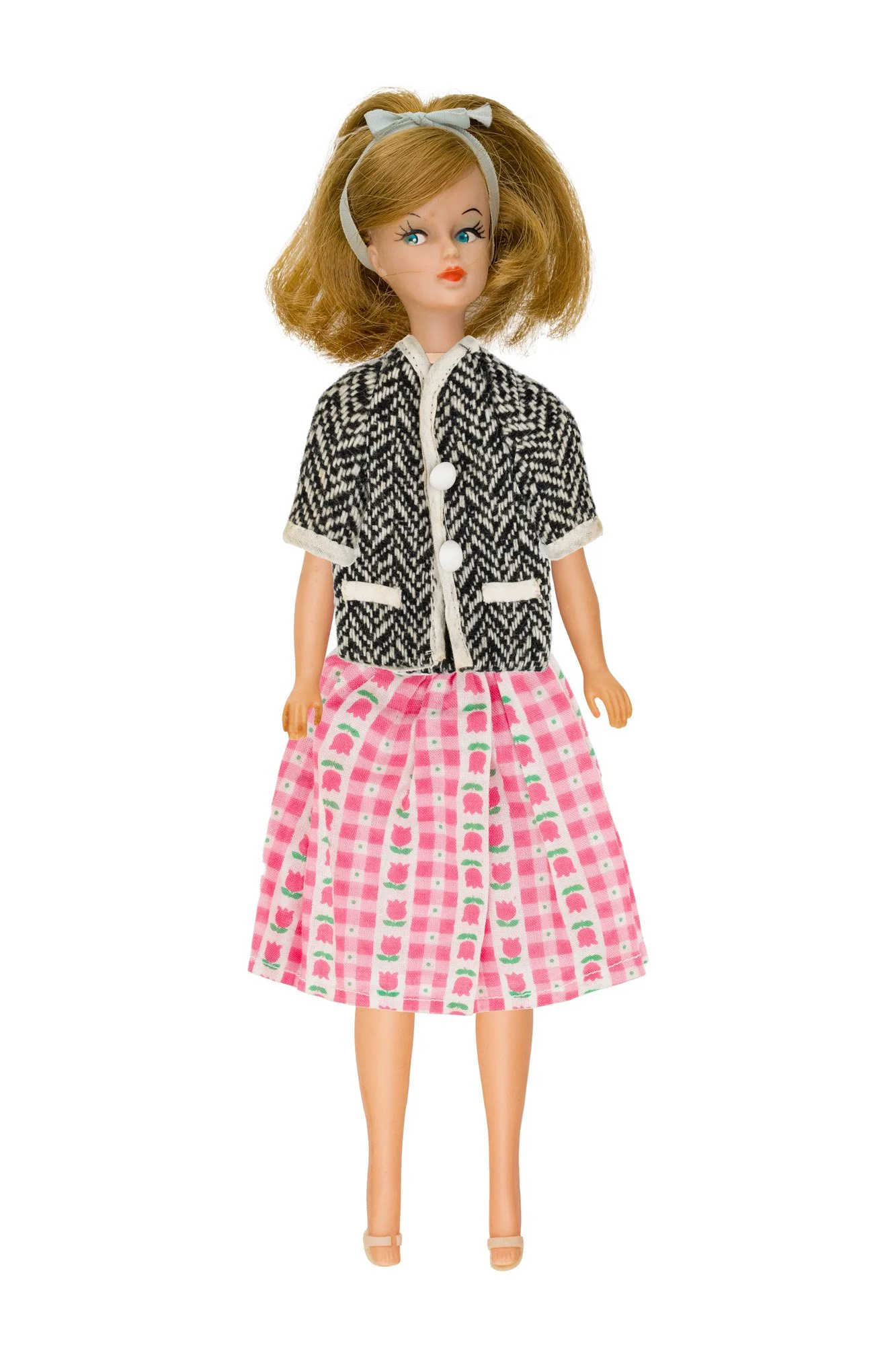
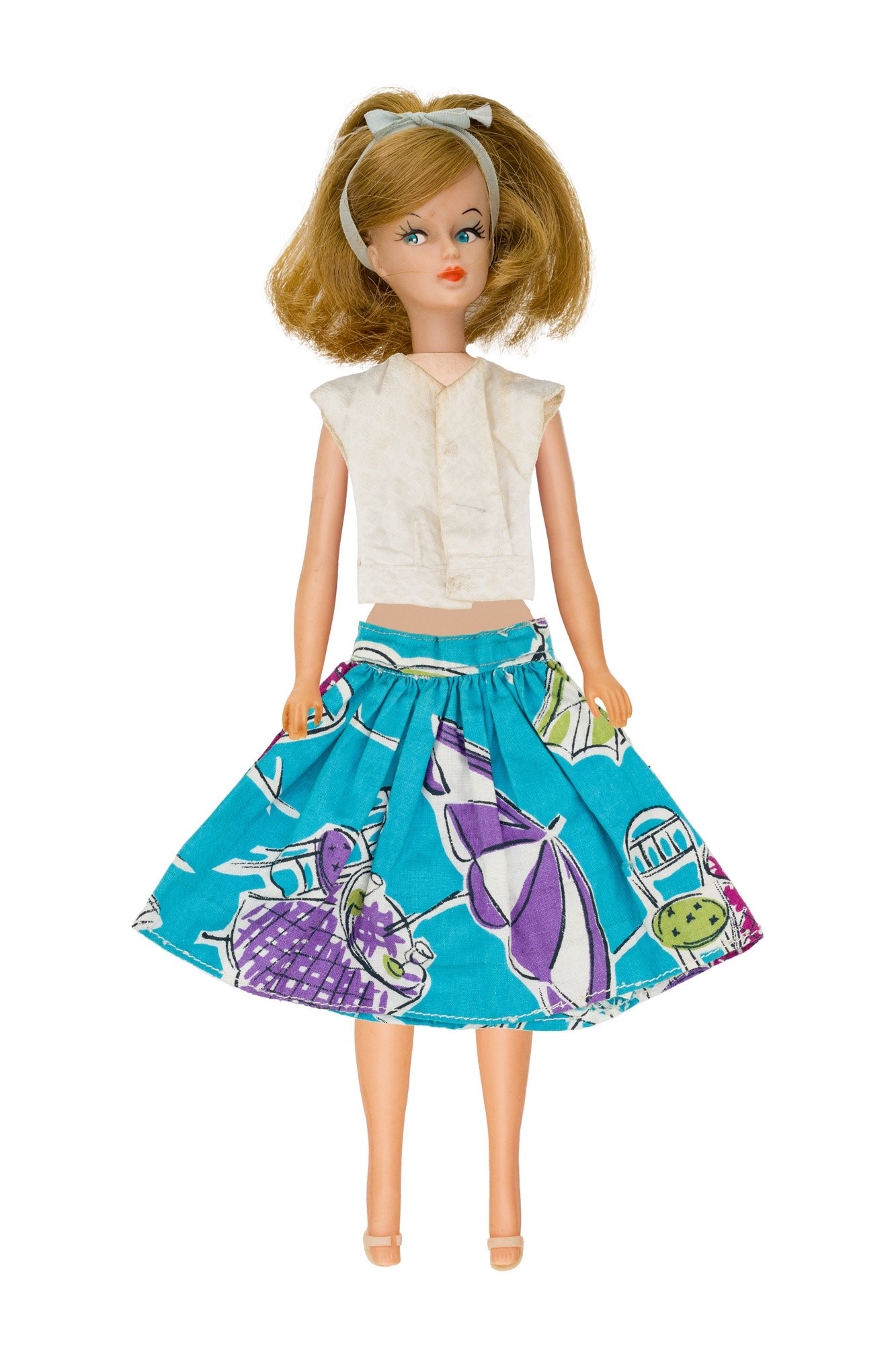
Collection of Puke Ariki Museum
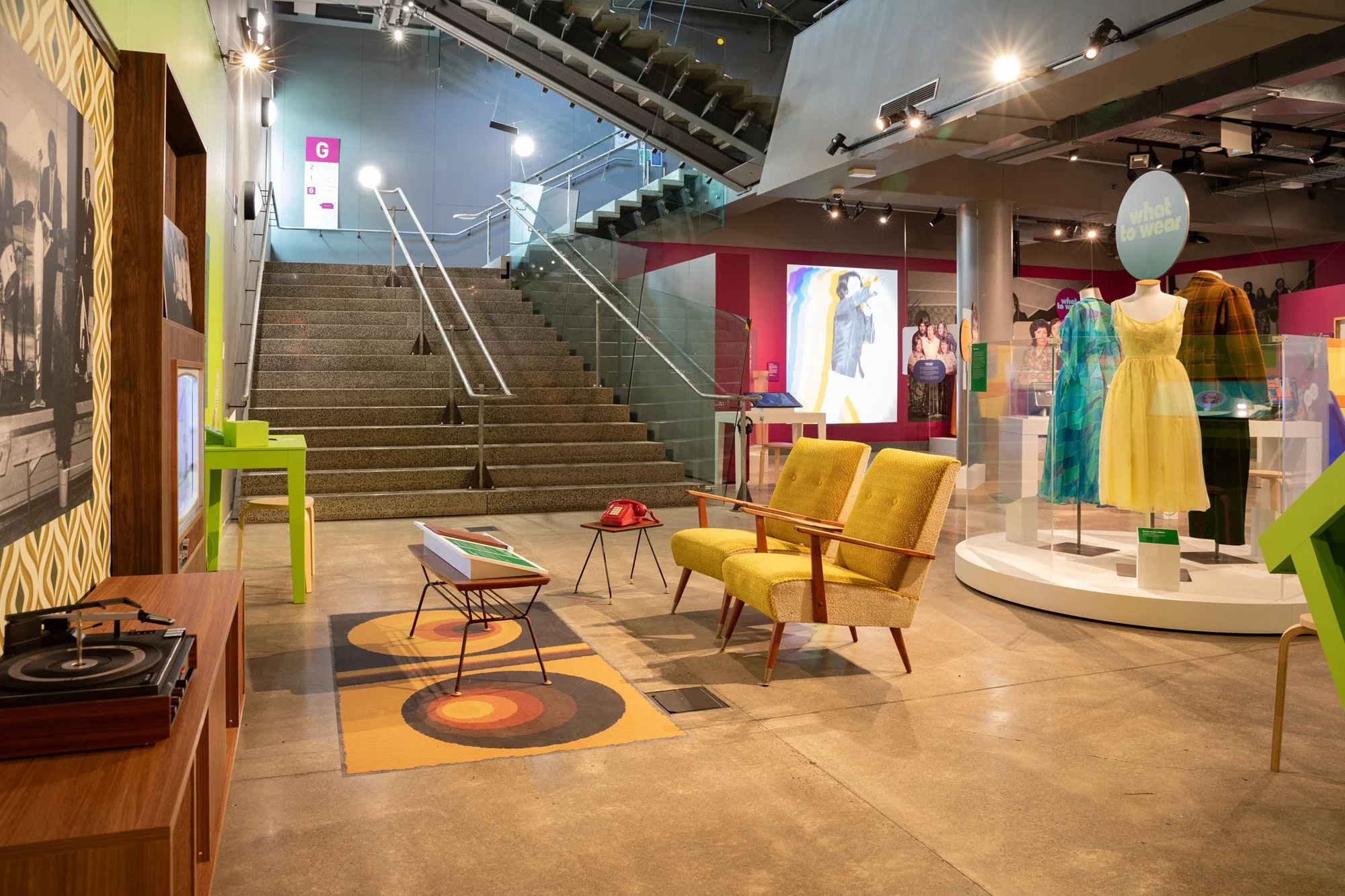
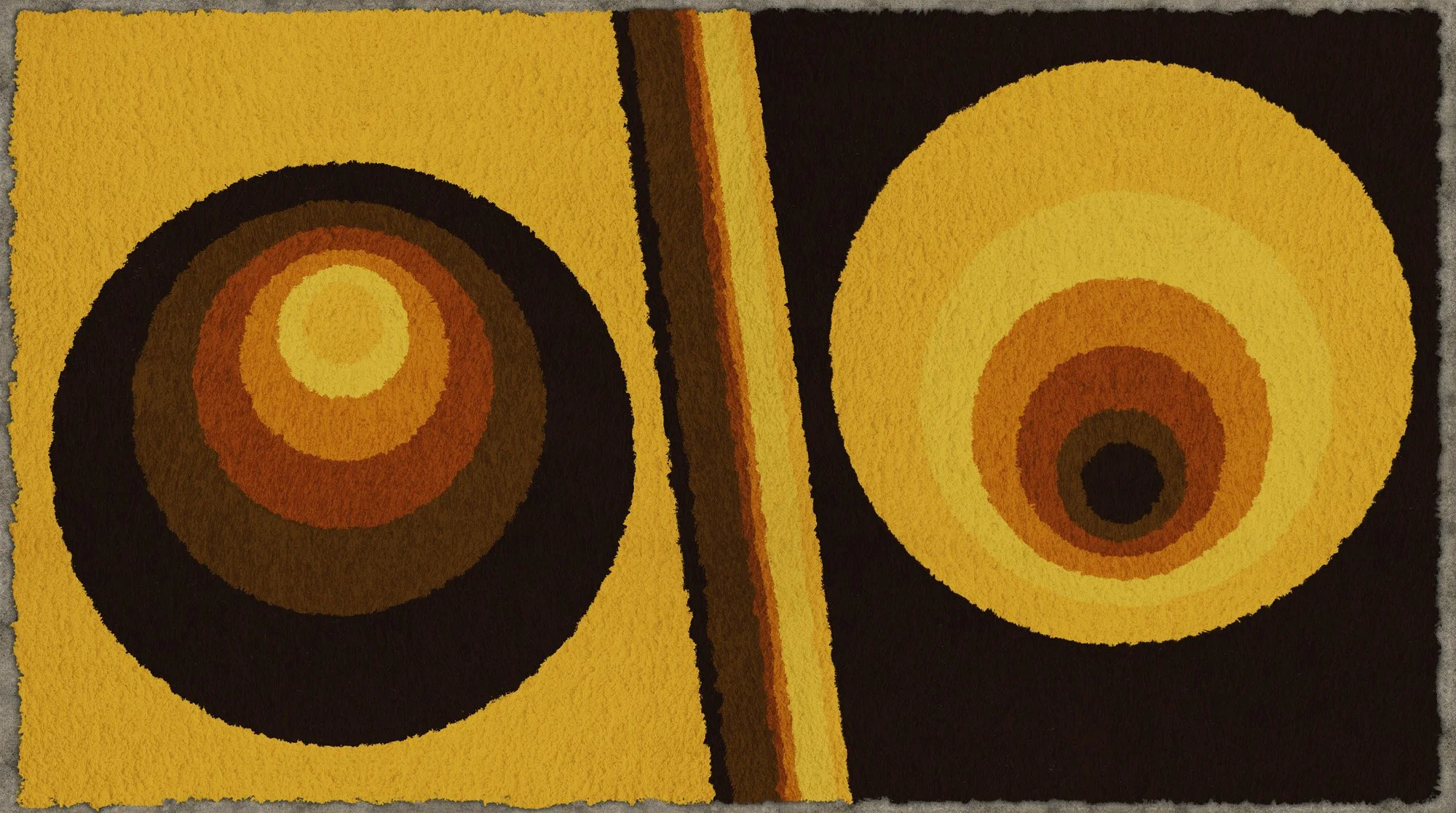
I also created detailed digital graphics and composite imagery to help recreate the visual language of the 1960s and 1970s. This included reconstructing period carpet patterns and other retro textures from historic venue photographs, which were then reproduced as floor vinyls and environmental graphics. These components helped build a more immersive exhibition world, allowing visitors to move through a space that felt visually connected to the hotels, dance halls, and social venues where Kount Five Plus Two performed.

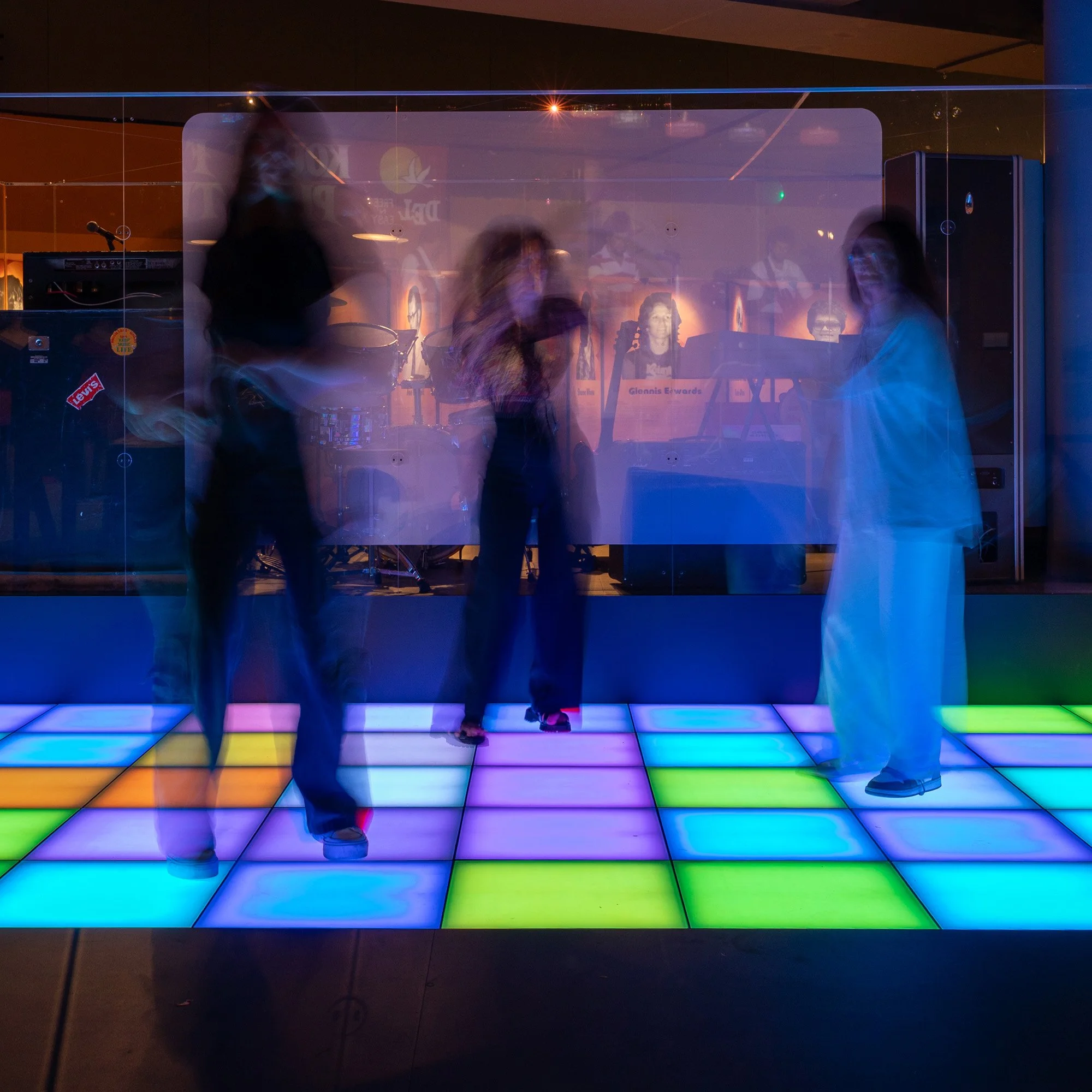
The exhibition’s public framing invited visitors to “hit rewind,” explore what was big on the radio, try on retro clothes, and break out dance moves on a light-up floor. My digital and visual production work supported that wider visitor experience by adding movement, interaction, atmosphere, and playful media moments across the gallery.
This project involved many different strands of digital museum production, from hands-on asset creation to technical coordination and exhibition delivery. It required flexibility across digitisation, animation, touchscreen development, AV production, AI-assisted media experiments, graphic design, image compositing, and installation support. The result was a lively, family-friendly exhibition environment that used digital content to amplify local music history and bring retro Taranaki culture to life.
The project reflects my ability to work across multiple digital disciplines within a single exhibition, translating curatorial ideas and collection material into interactive, atmospheric, and visitor-facing media experiences.