
Redecorating Taranaki
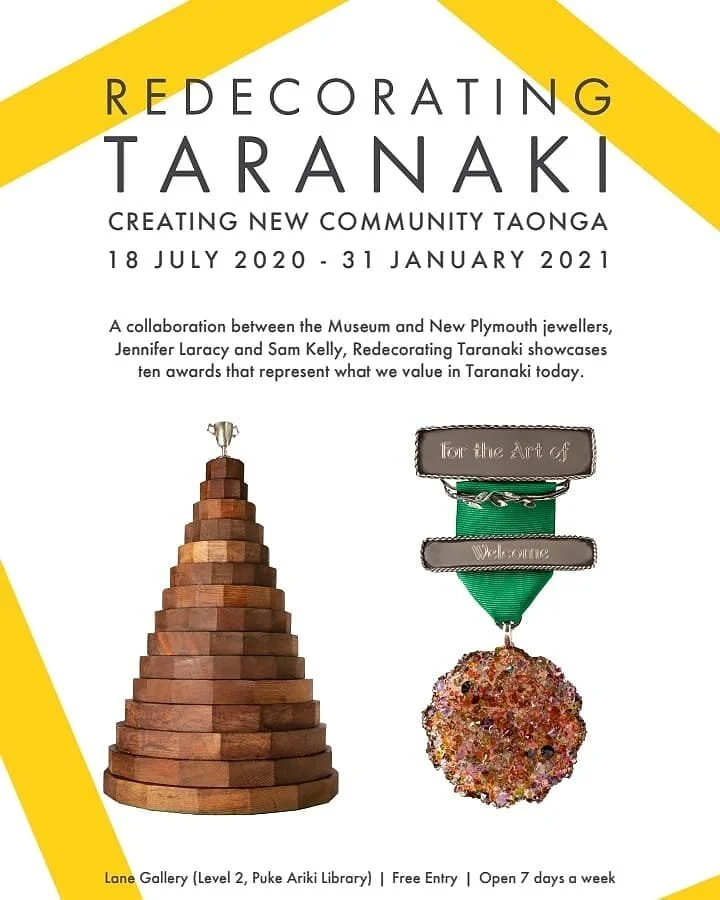
Project: Redecorating Taranaki & Redecorating Taranaki Continued
Exhibition: Redecorating Taranaki
Location: Puke Ariki Museum, New Plymouth, Aotearoa New Zealand
Dates: 18 July 2020 – 31 January 2021
Role: Digital coordination, online exhibition development, portrait photography, object photography, content development, digital interpretation
Curator: Chanelle Carrick
Artists: Sam Kelly and Jennifer Laracy, The Jewel and the Jeweller
Collaborators: Puke Ariki exhibition team, NPDC marketing team, NPDC IT team
Media: Online exhibition, values quiz, virtual awards, artist sketchbooks, community portraits, object photography, booklet imagery, exhibition documentation
Extended presentation: Community presentation in Hāwera, March 2021
Tools / Methods: Digital photography, web content development, online interpretation, interactive quiz design, object photography, portrait photography, collaborative digital exhibition development
Digital exhibition development, portrait and object photography, online interpretation, and interactive community engagement for an exhibition exploring contemporary values in Taranaki through jewellery, awards, and local stories.
Redecorating Taranaki was a community-focused exhibition developed by Puke Ariki with New Plymouth jewellers Sam Kelly and Jennifer Laracy of The Jewel and the Jeweller. The project took inspiration from medals, trophies, and awards in Puke Ariki’s collection, using these historic objects as a starting point to ask what Taranaki values today. Through community workshops and consultation, the artists developed ten new awards representing contemporary local values, including creativity, diversity, friendship, sustainability, whānau, and others. The exhibition ran at Puke Ariki from 18 July 2020 to 31 January 2021.
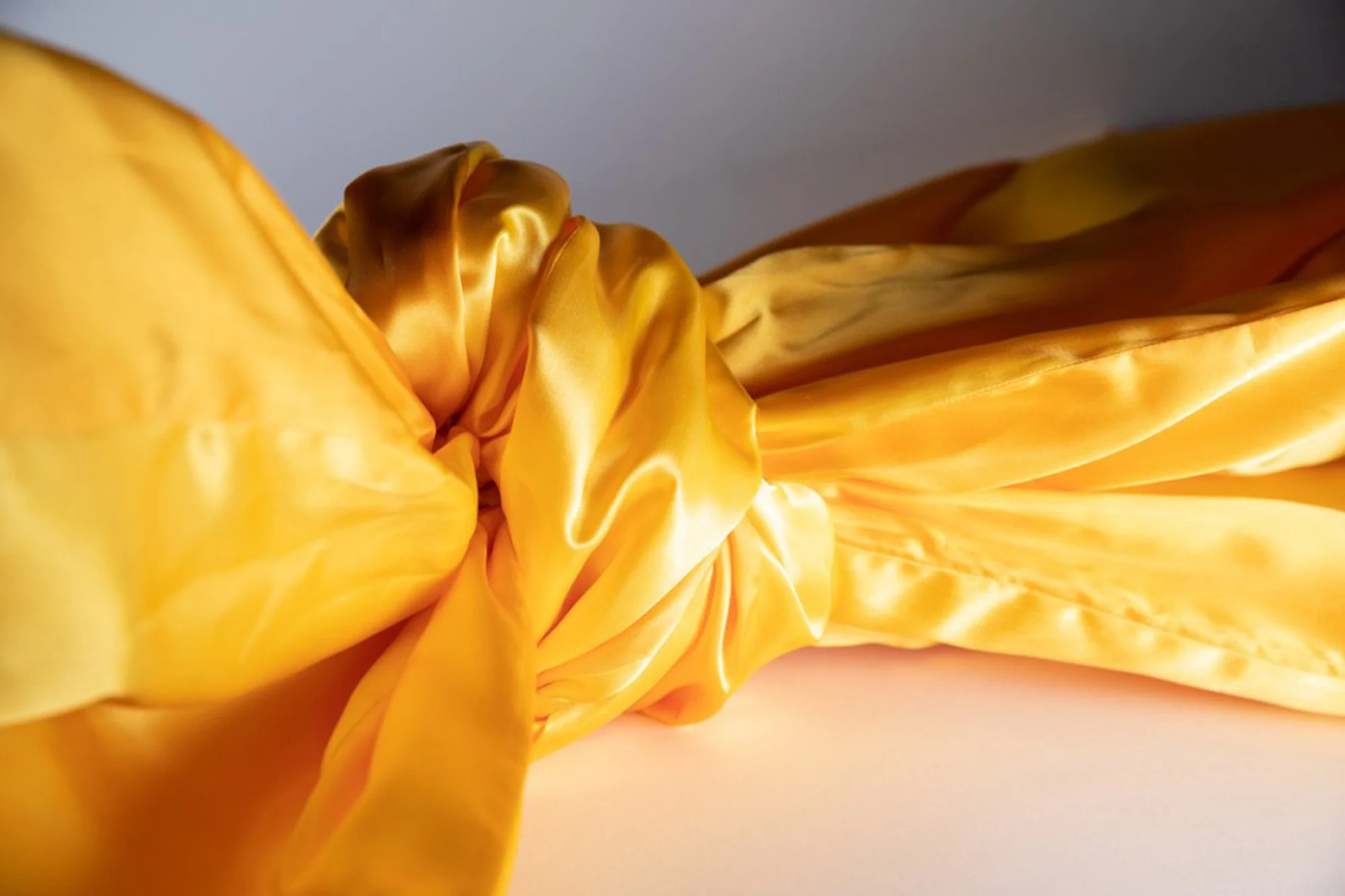
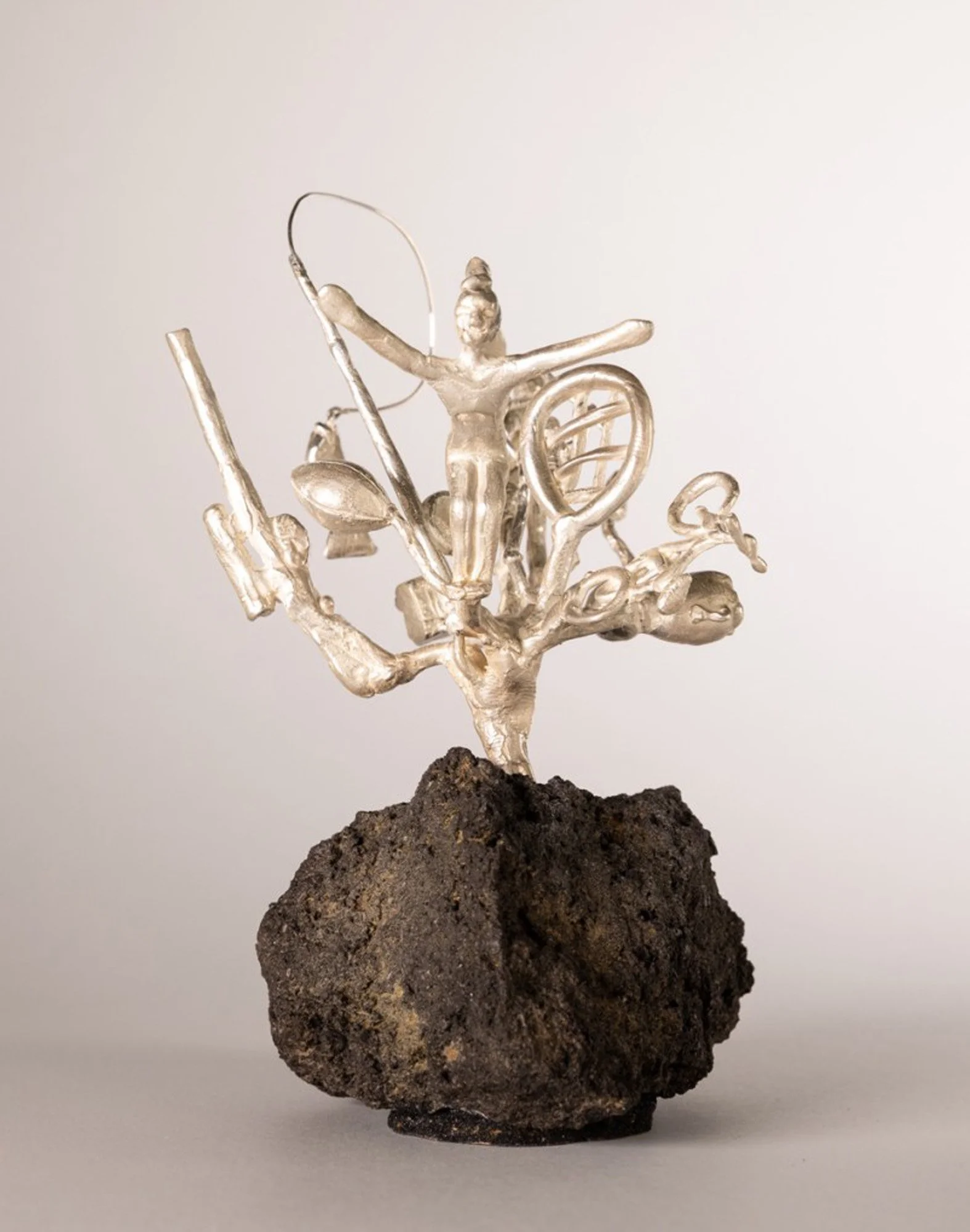
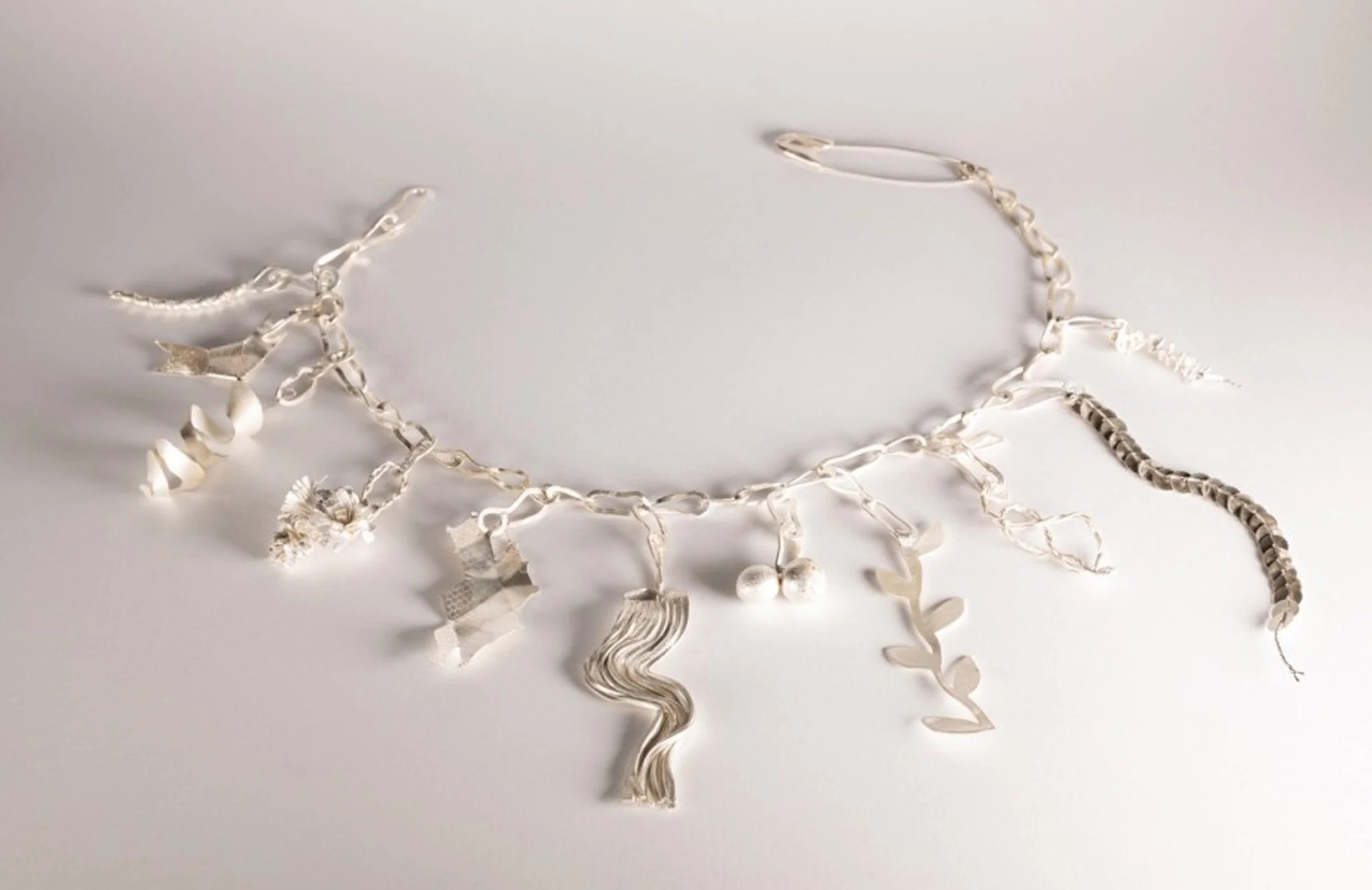
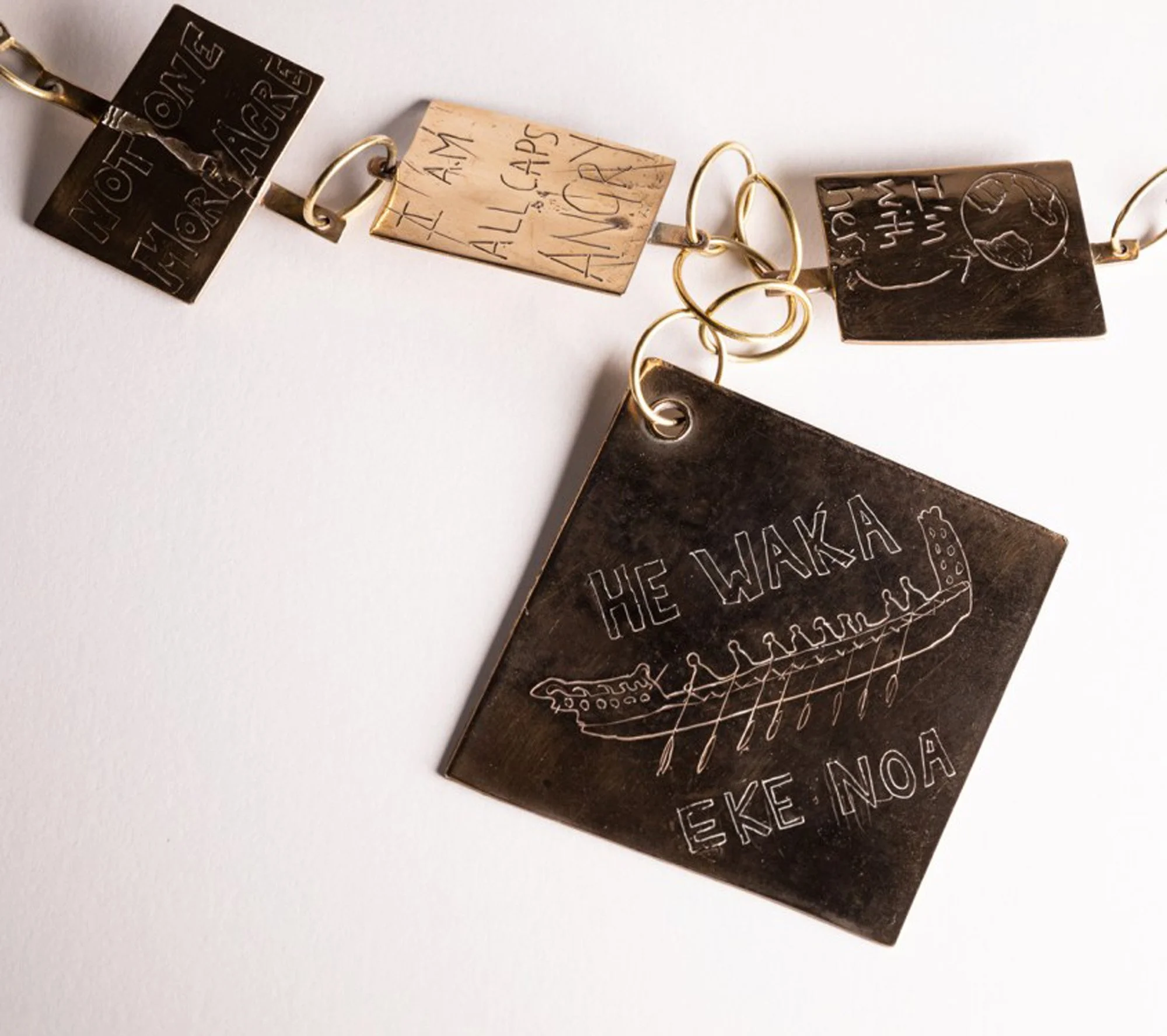
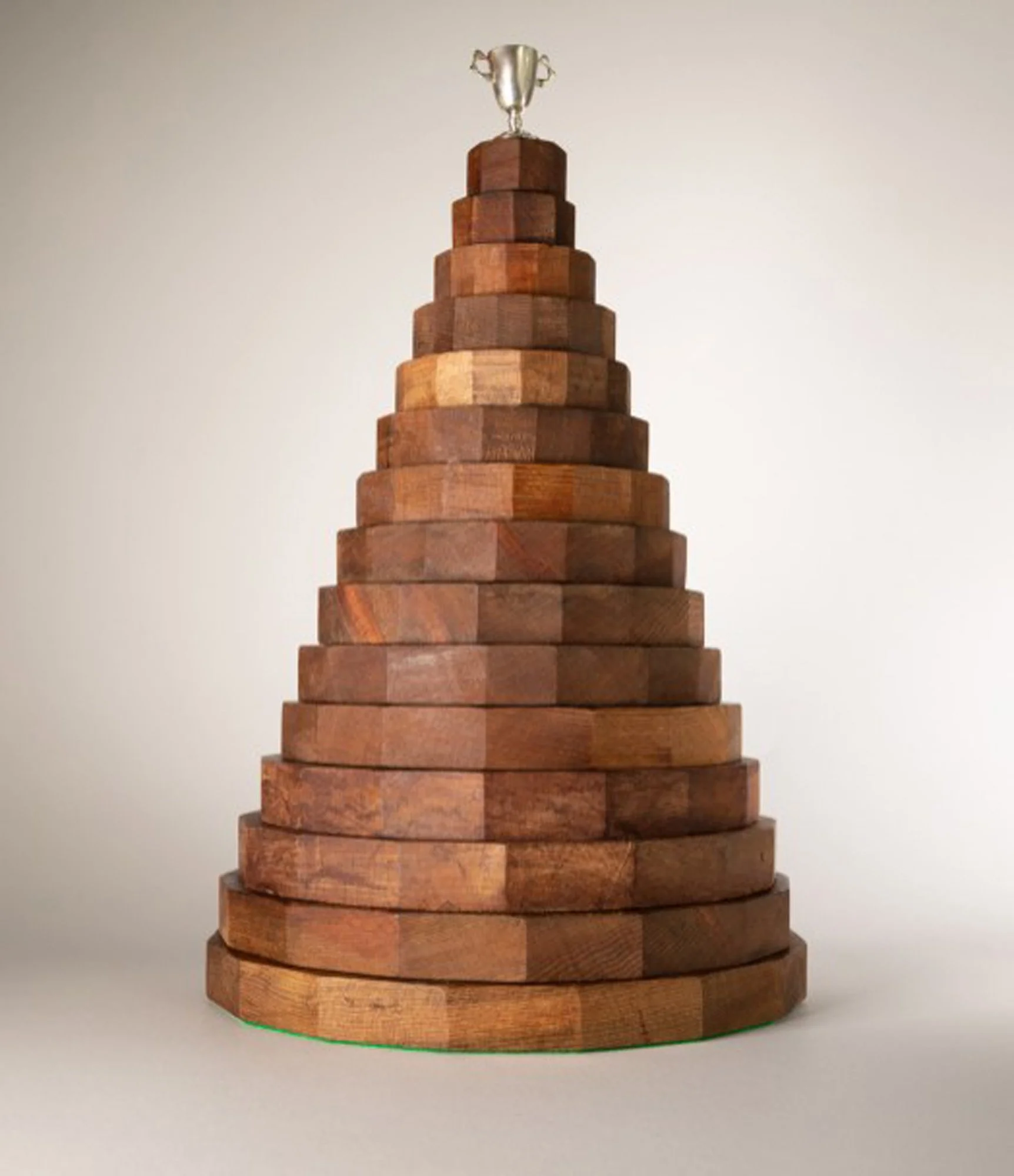
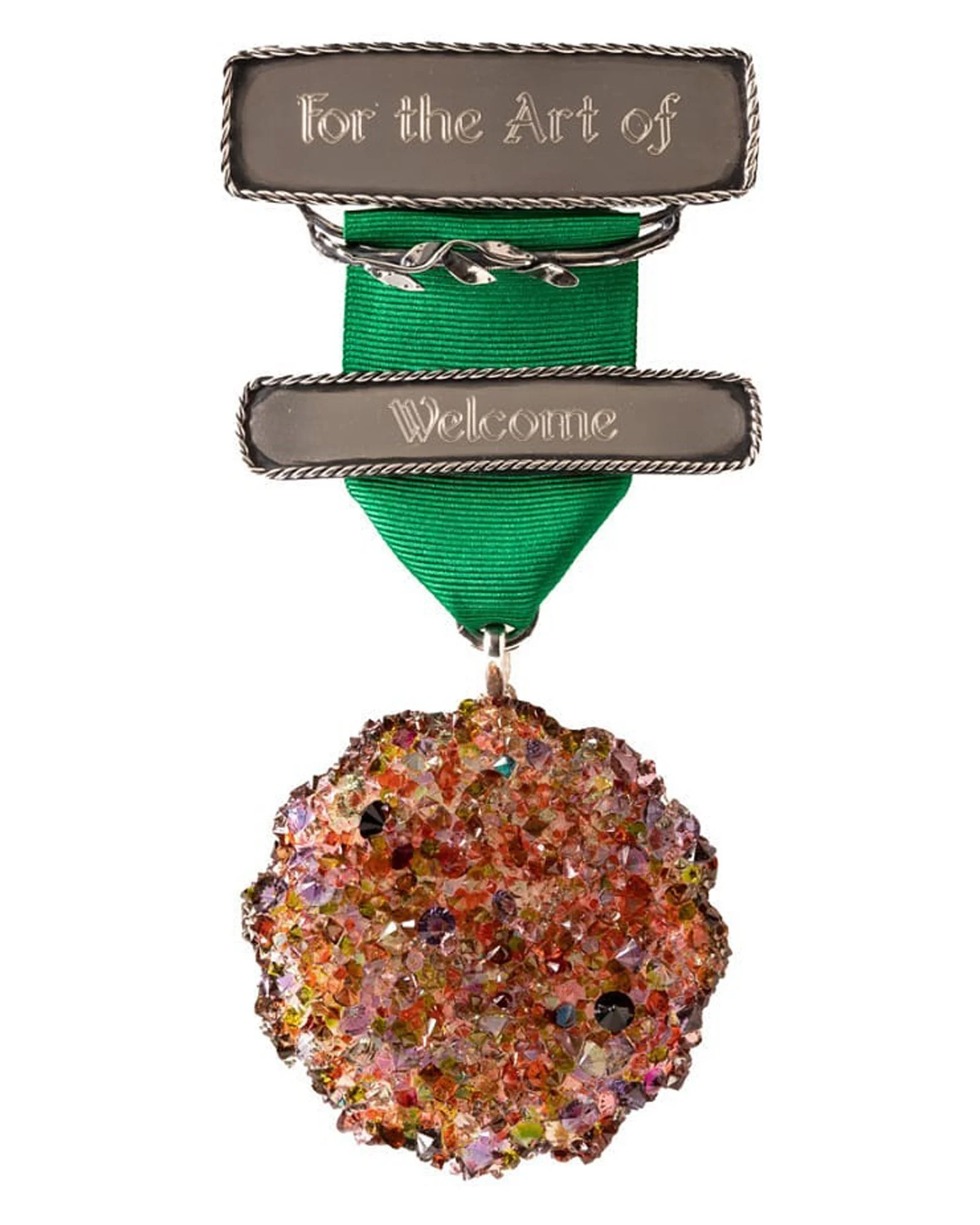

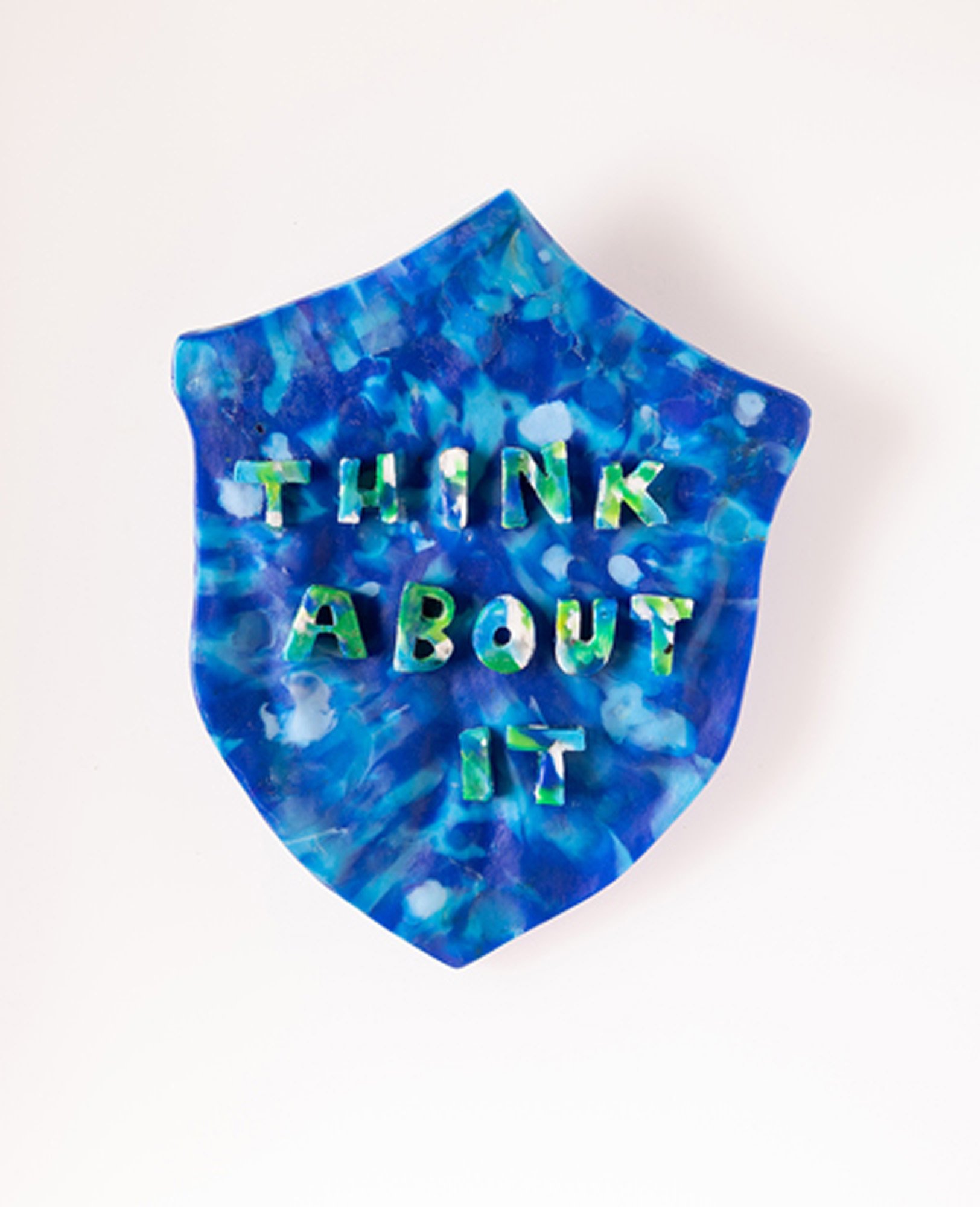
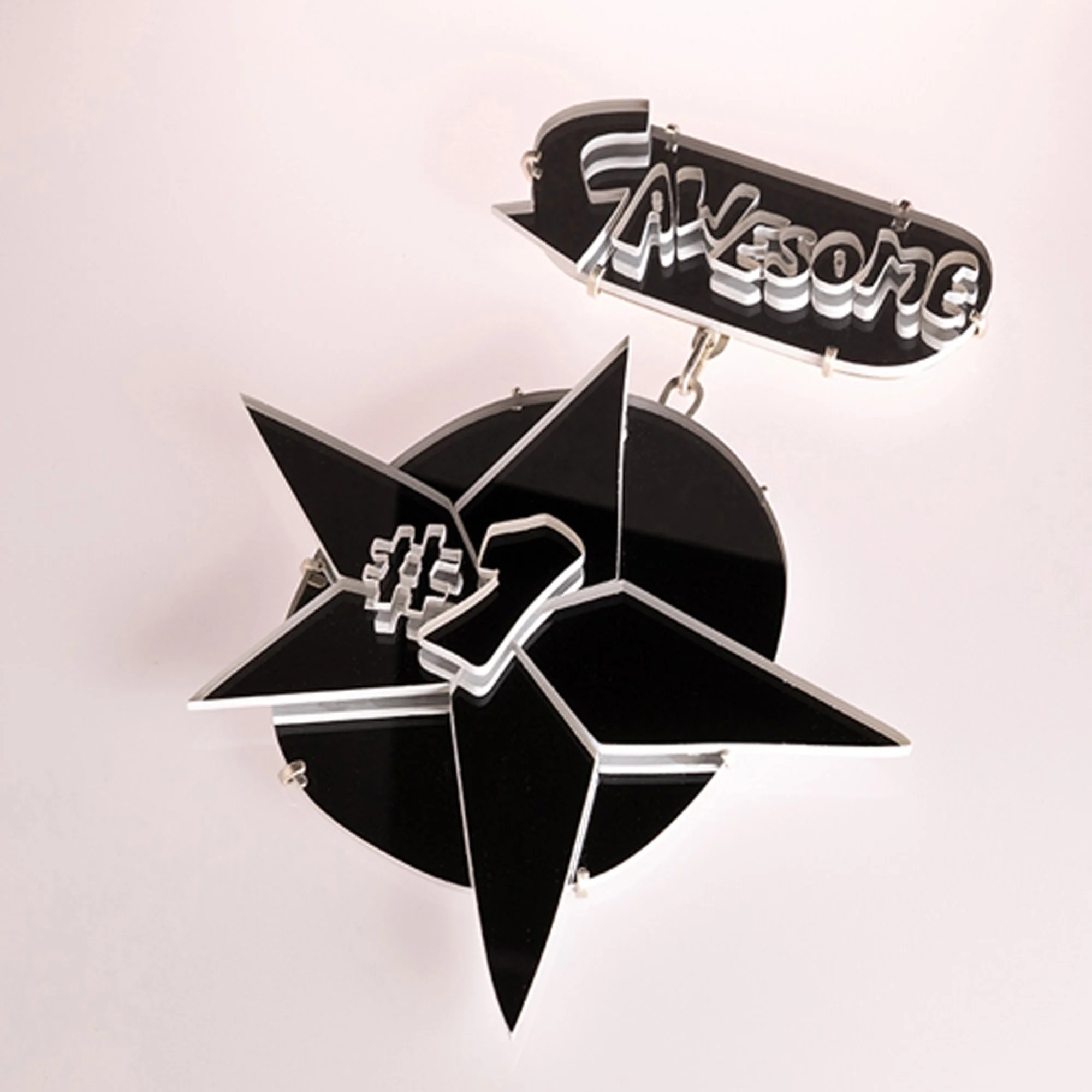
Working with curator Chanelle Carrick, the artists, the exhibition team, marketing staff, and New Plymouth District Council’s IT team, I supported the project as digital coordinator and developer for its online and photographic components. The physical exhibition presented the newly created awards alongside the story of the community process behind them, while the online companion exhibition, Redecorating Taranaki Continued, extended the project into a more interactive digital experience.
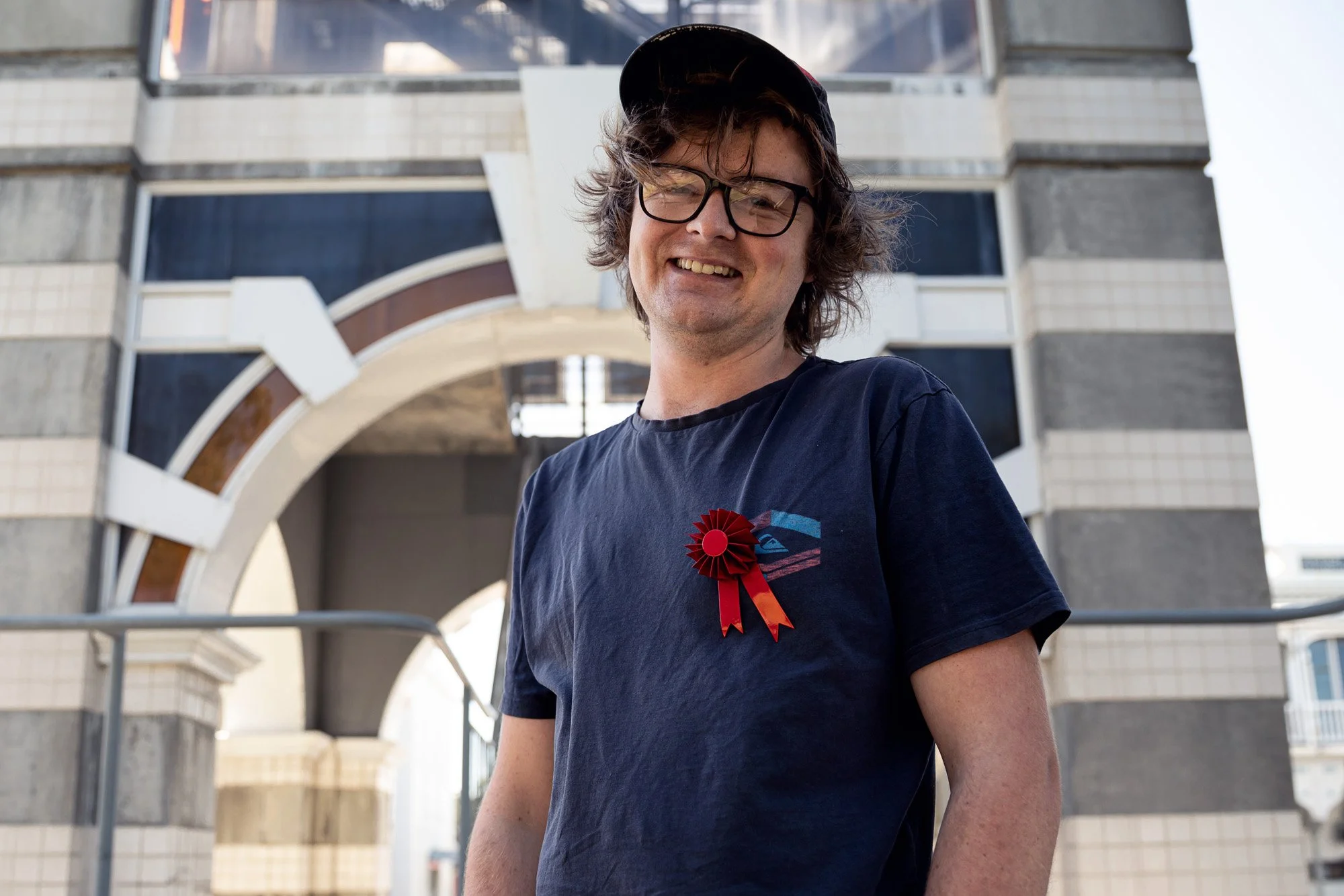
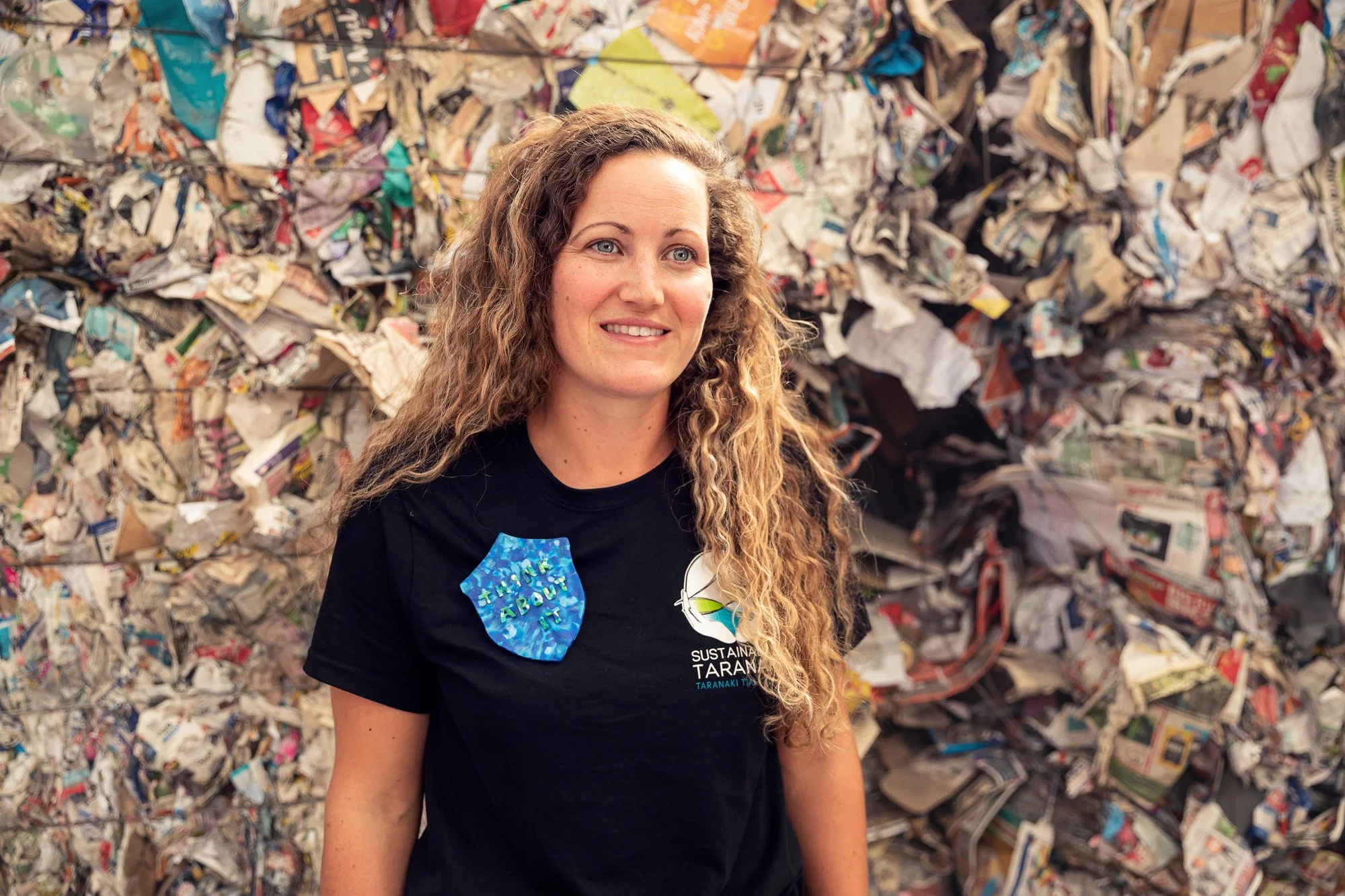
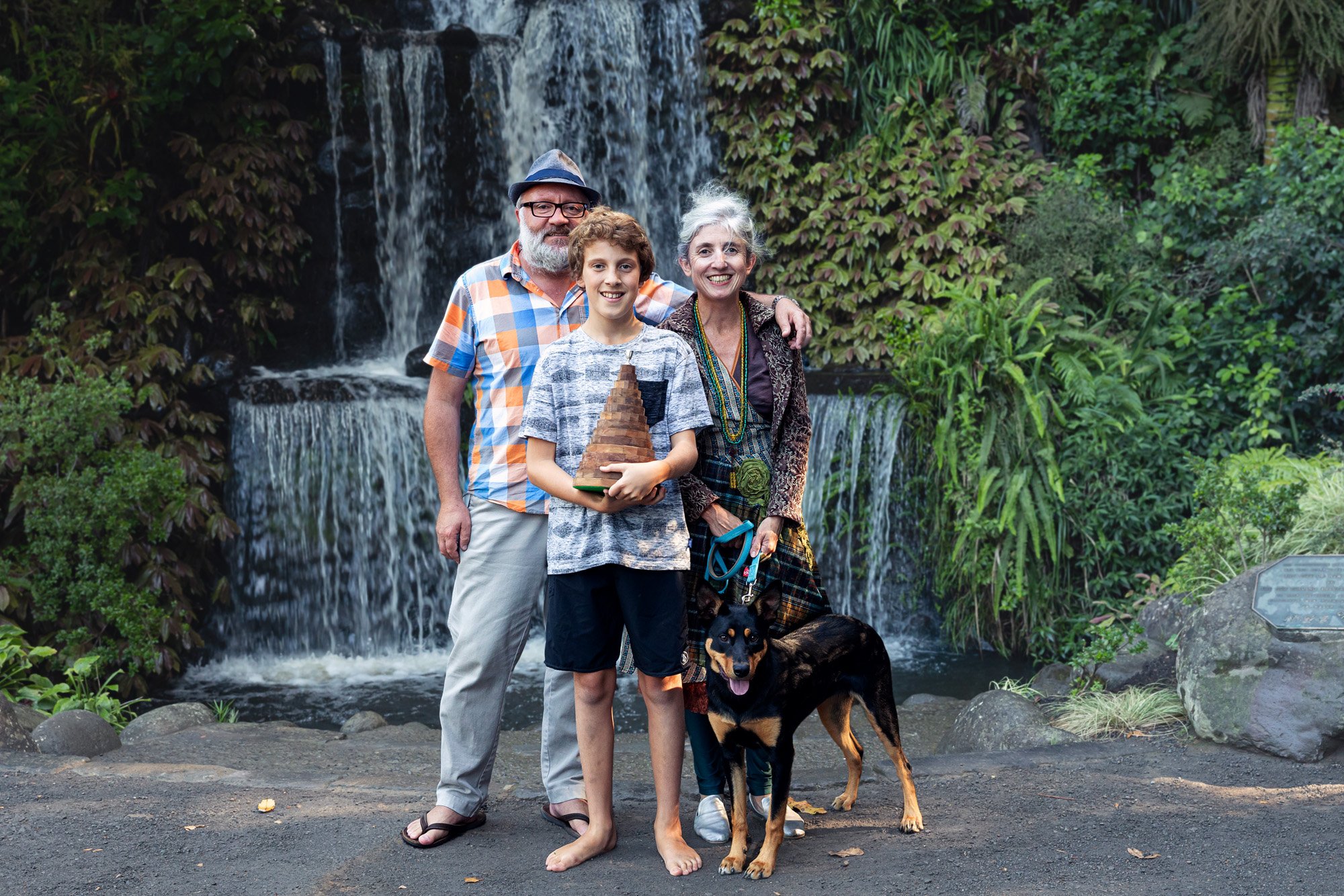
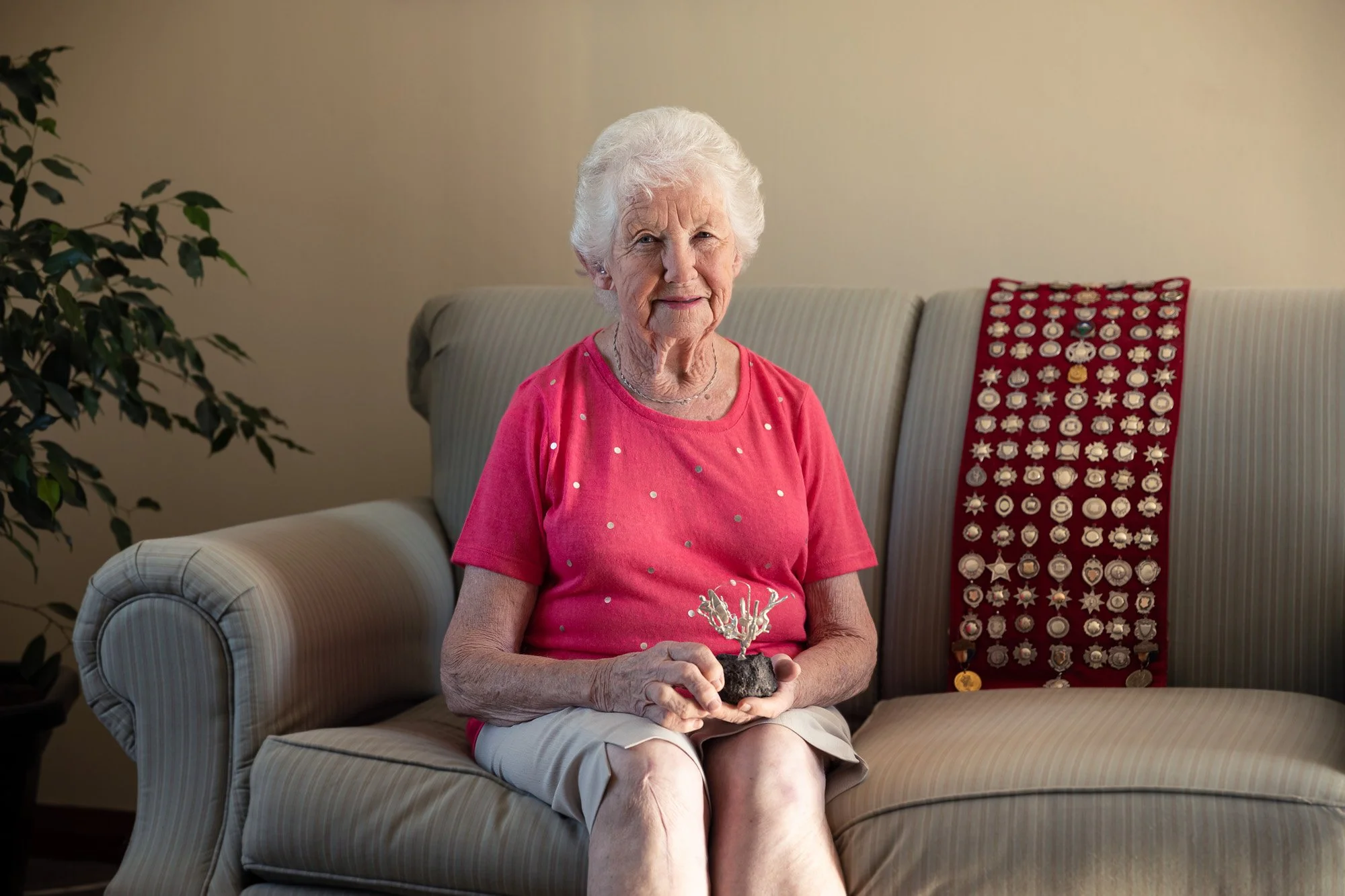
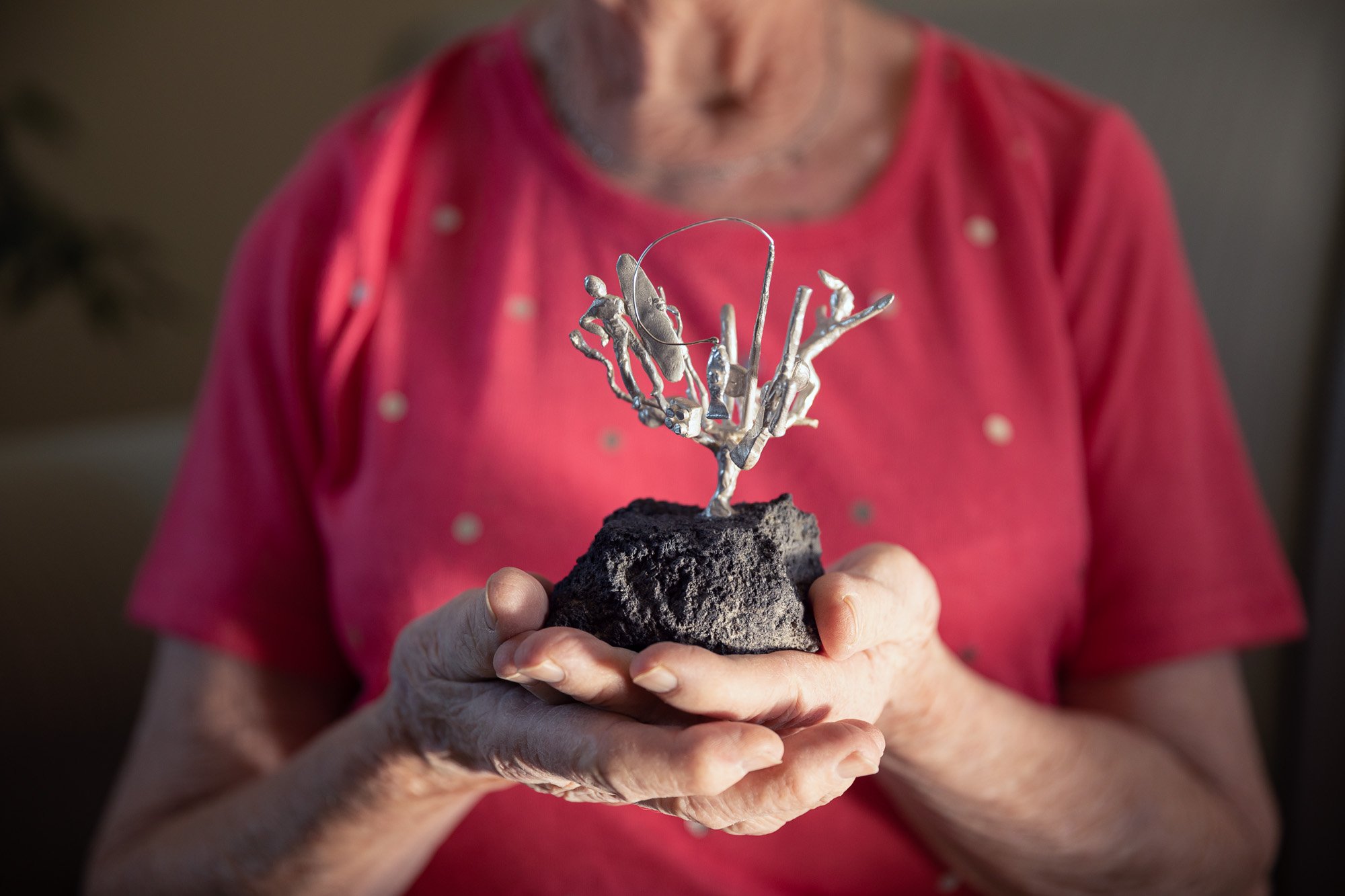
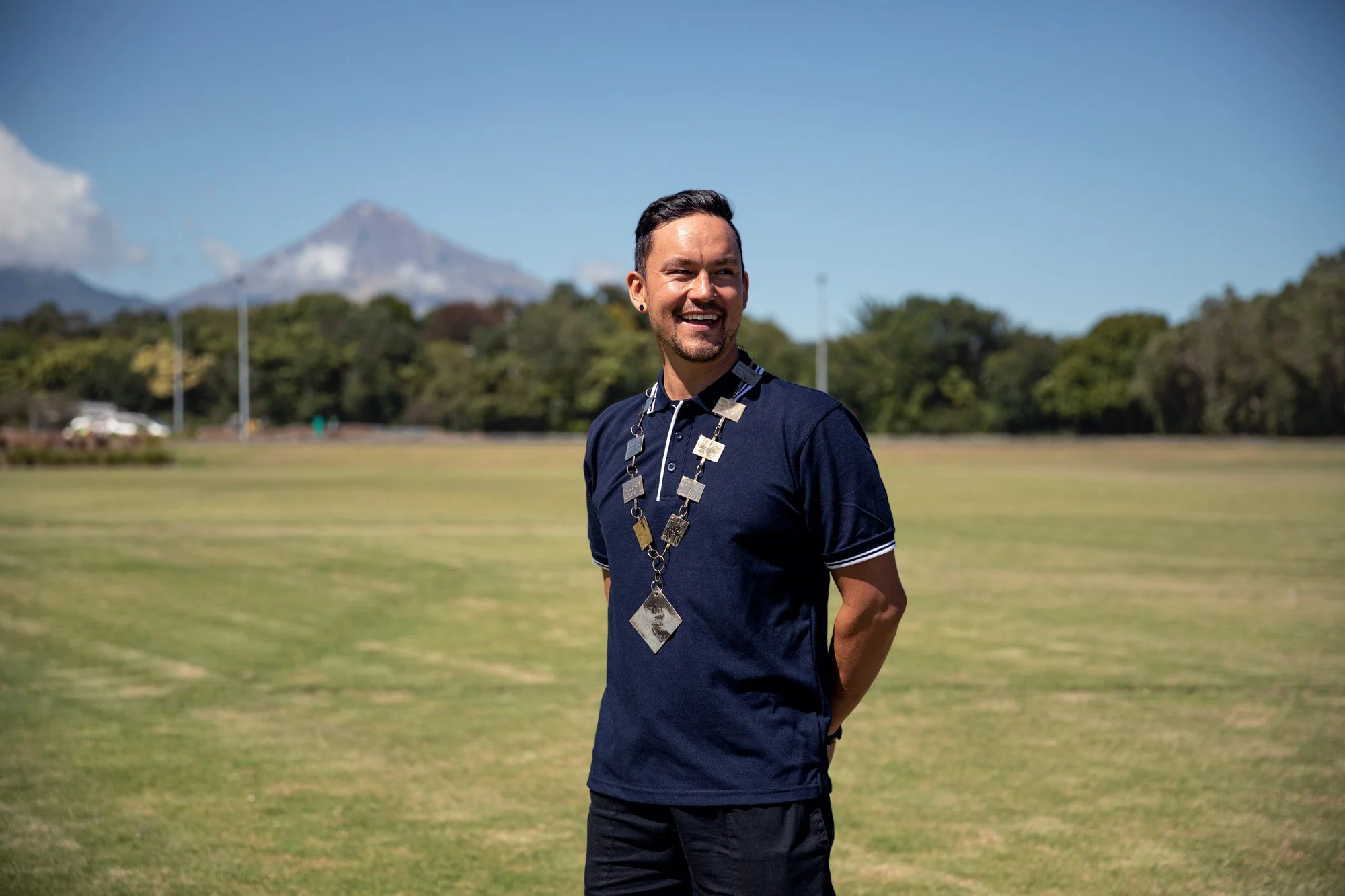
A major part of my role was photography. I photographed the community representatives selected to embody the exhibition’s values, creating portraits that helped connect each award to real people and lived experience in Taranaki. These portraits were used across the exhibition’s digital content and were also printed in a booklet produced to accompany the show, extending the visual identity of the project beyond the gallery walls. I also produced object photography of the awards themselves, showing the detail, materiality, and sculptural qualities of the works created by Kelly and Laracy.
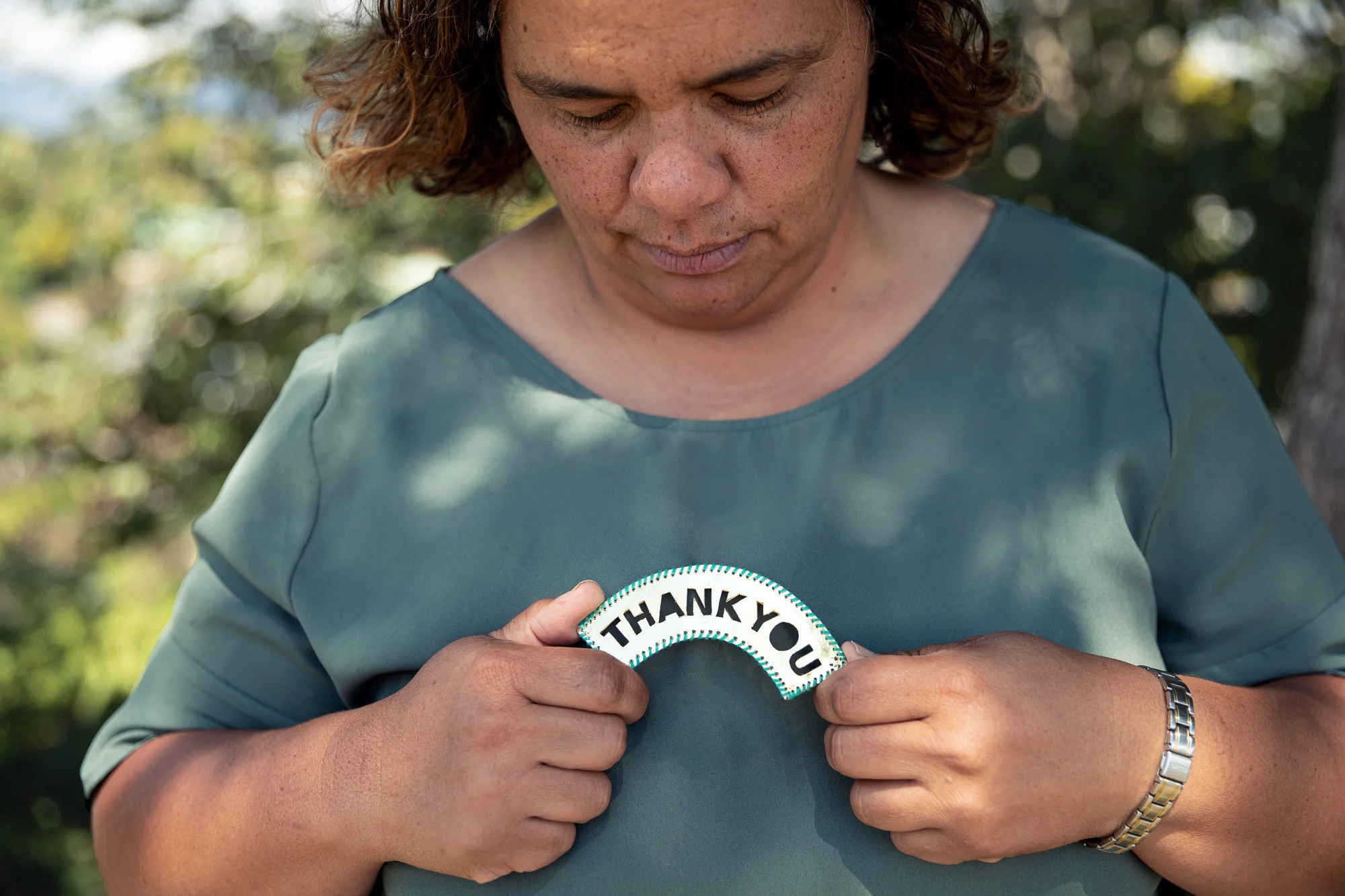
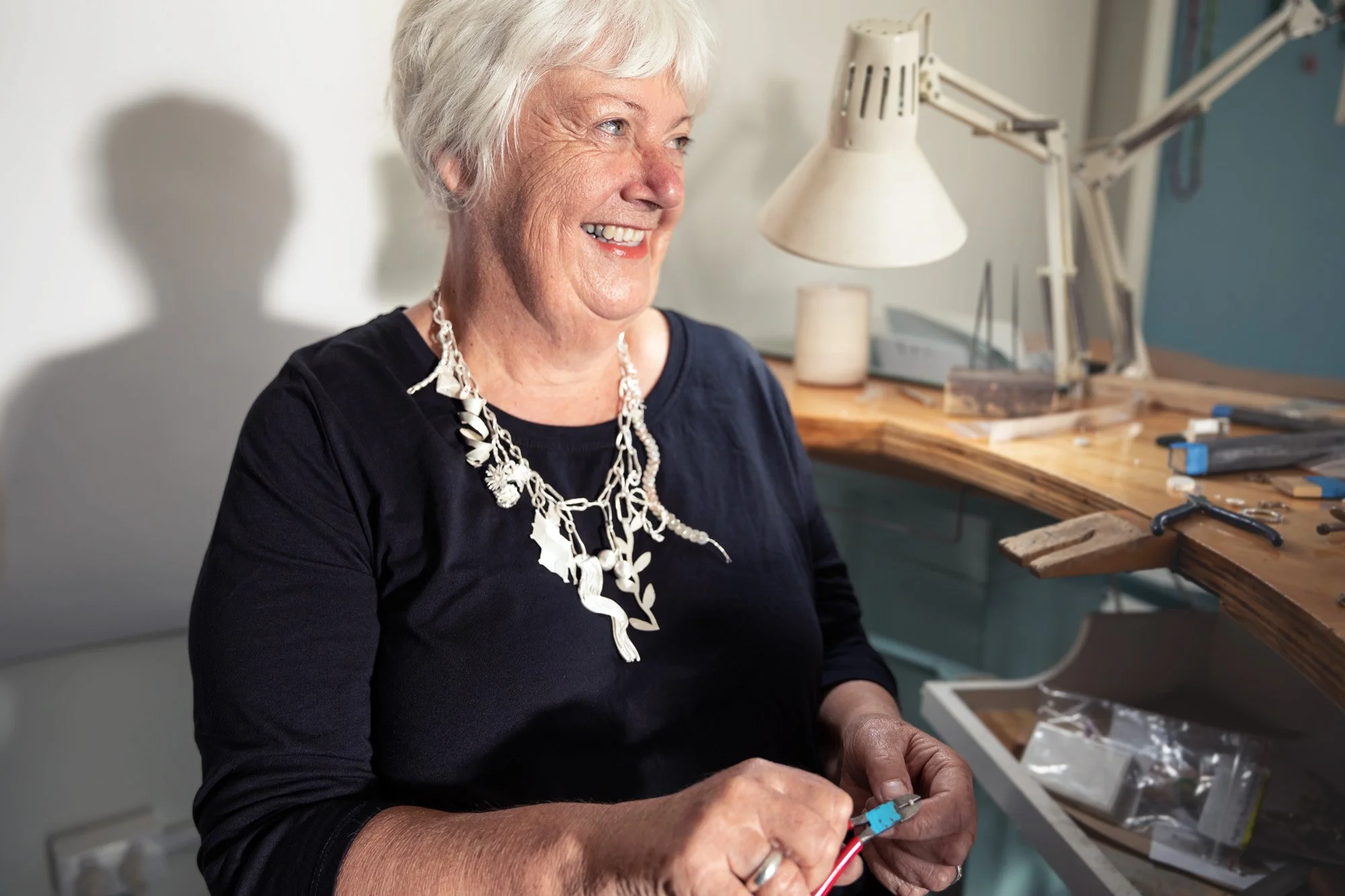
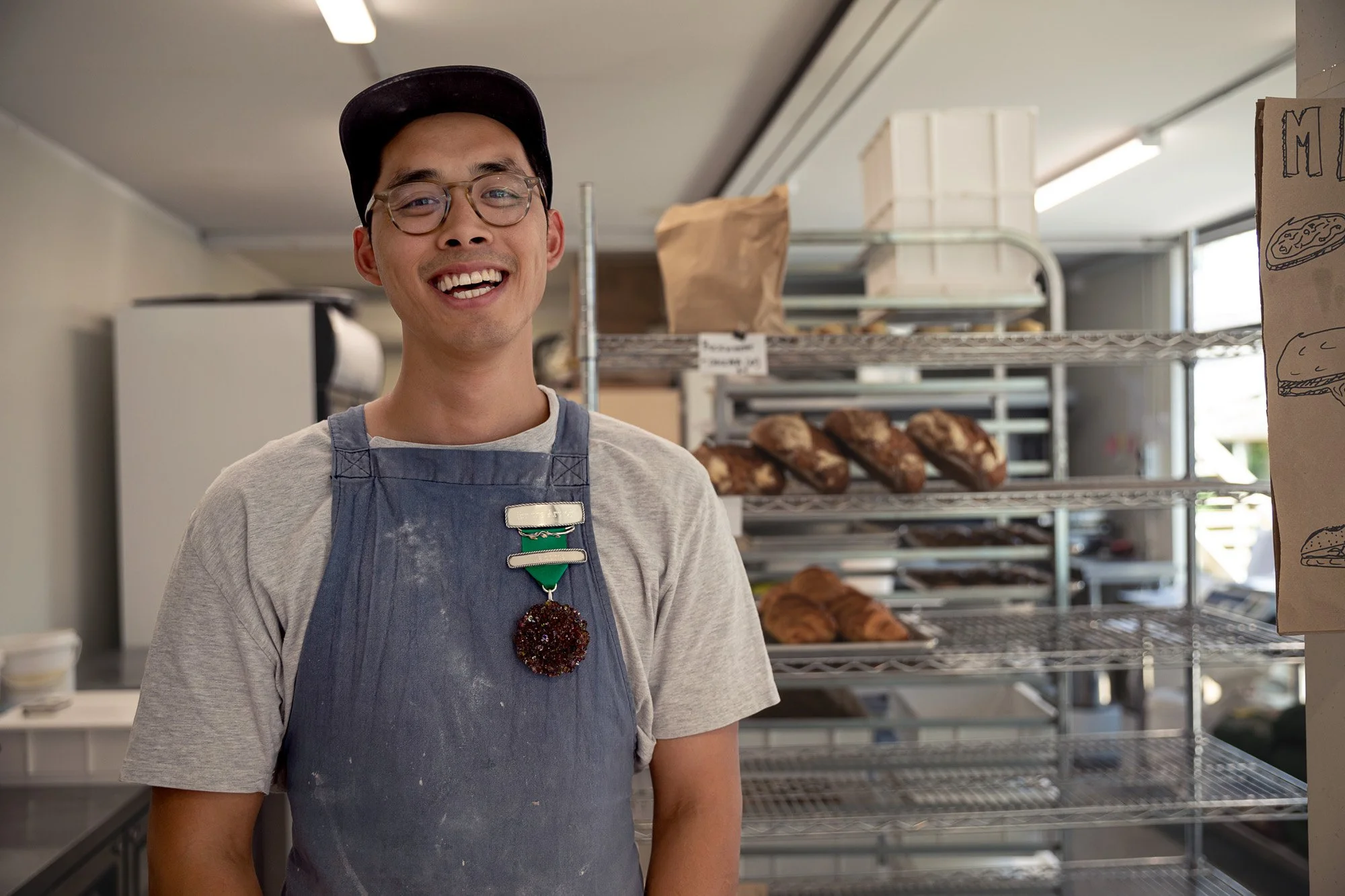
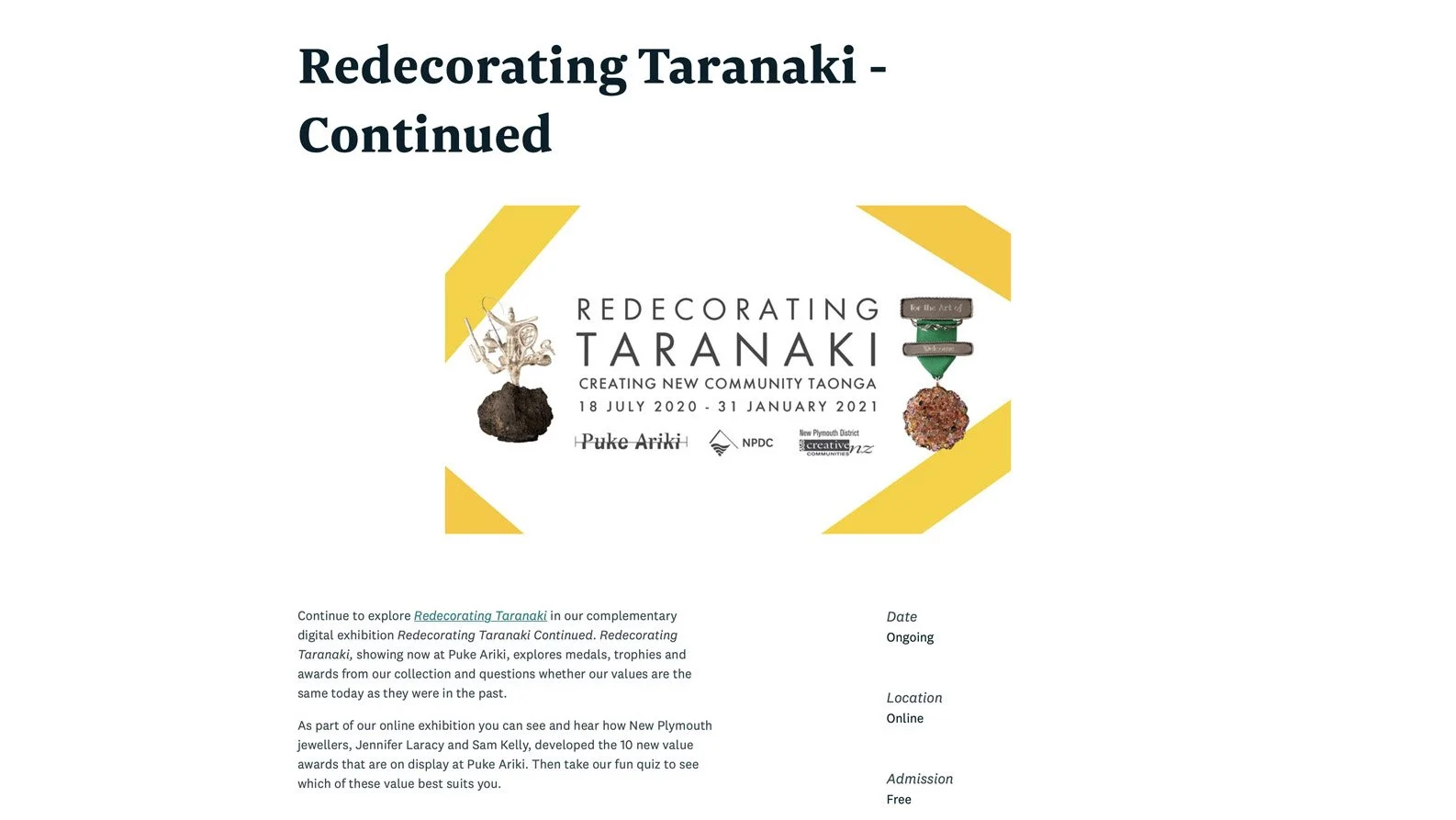
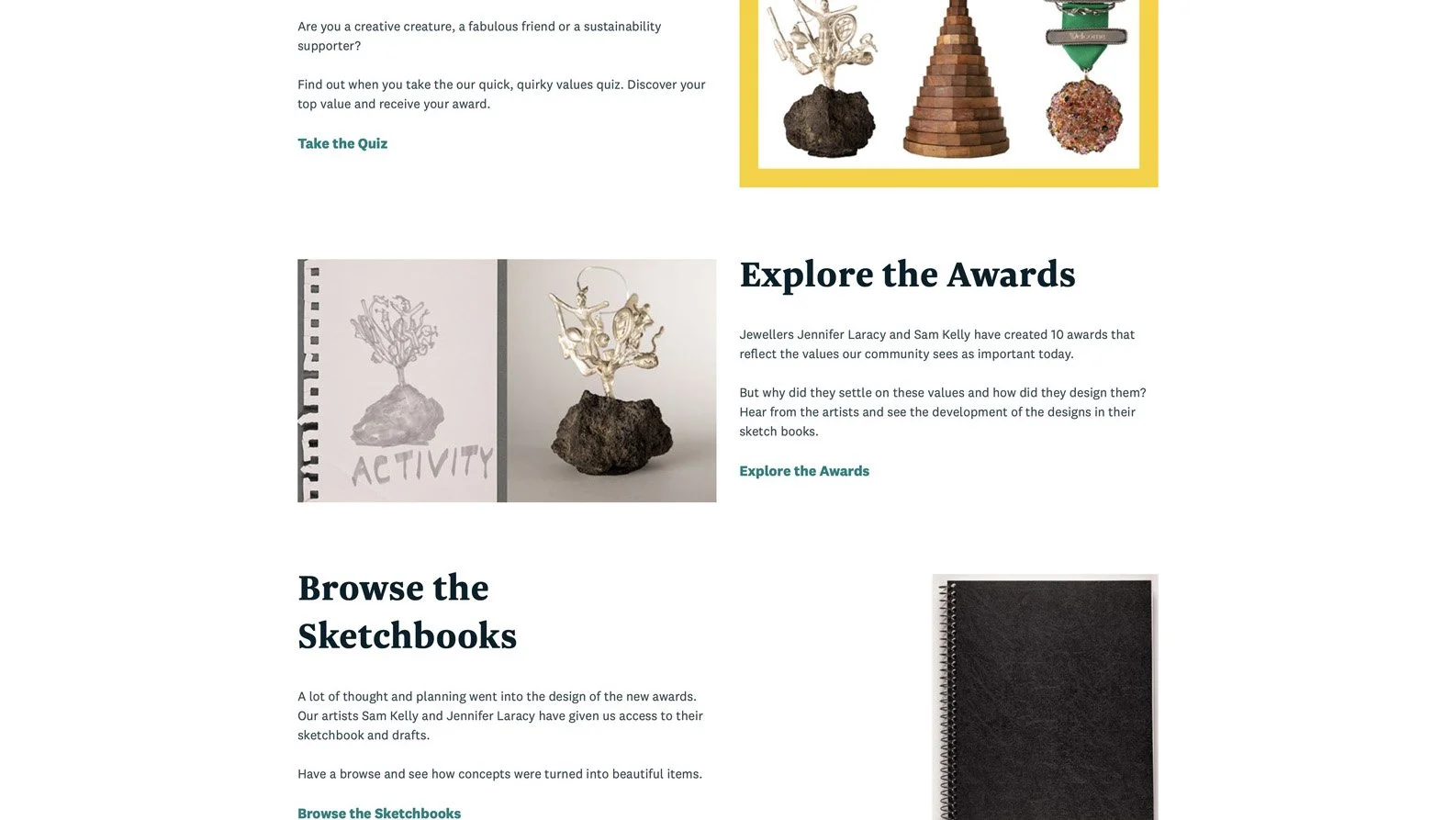
The online exhibition was designed as a continuation of the gallery experience rather than a simple documentation page. It included a values quiz where visitors could answer questions, discover which community value they aligned with, and receive a virtual award. It also allowed audiences to explore the ten awards, hear from the artists about the meaning behind each design, and browse sketchbooks and drafts showing how concepts developed into finished objects.
I worked with the curator and council teams to help shape the concept, develop the visual and content structure, prepare photography, and support the online exhibition’s delivery. The result was a digital layer that expanded the exhibition’s reach, preserved the behind-the-scenes process, and gave audiences a playful way to engage with the project’s core question: what do we value now?
The project also continued beyond its initial presentation at Puke Ariki, with the exhibition moving into the wider Taranaki community after its museum run, including a presentation in Hāwera in March 2021. This reflected the community-led nature of the project and helped extend the conversation around local values, creativity, and recognition beyond the museum setting.
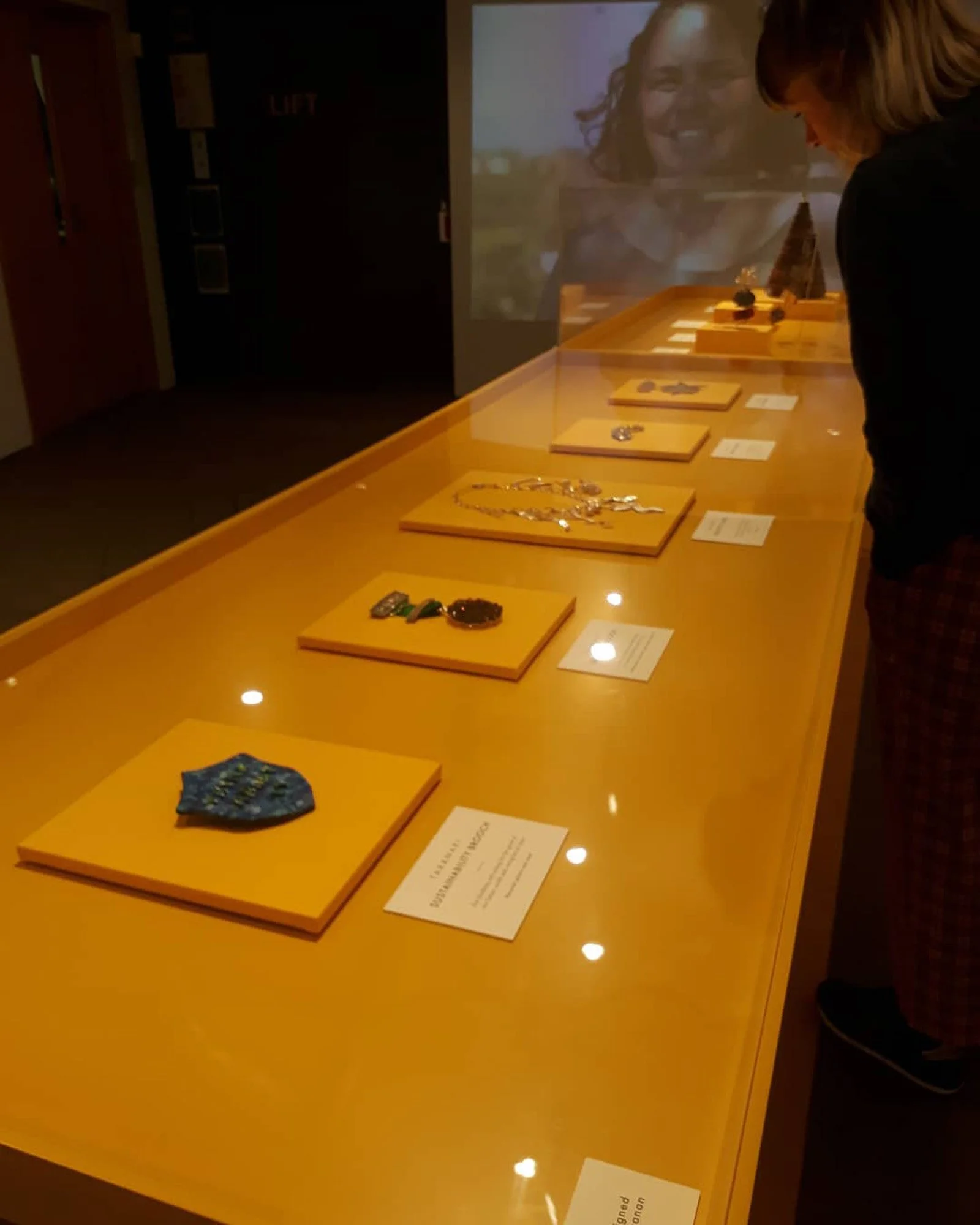
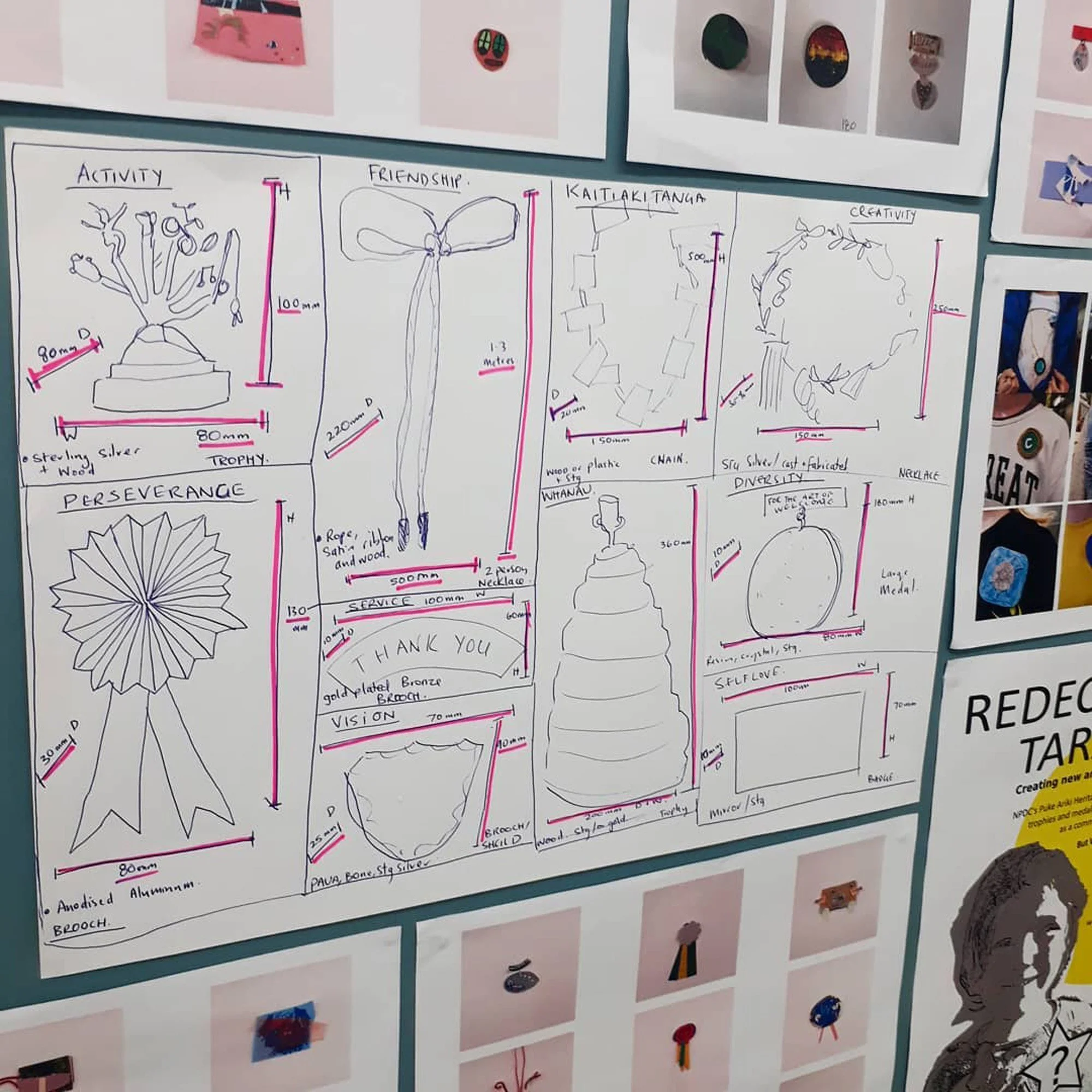
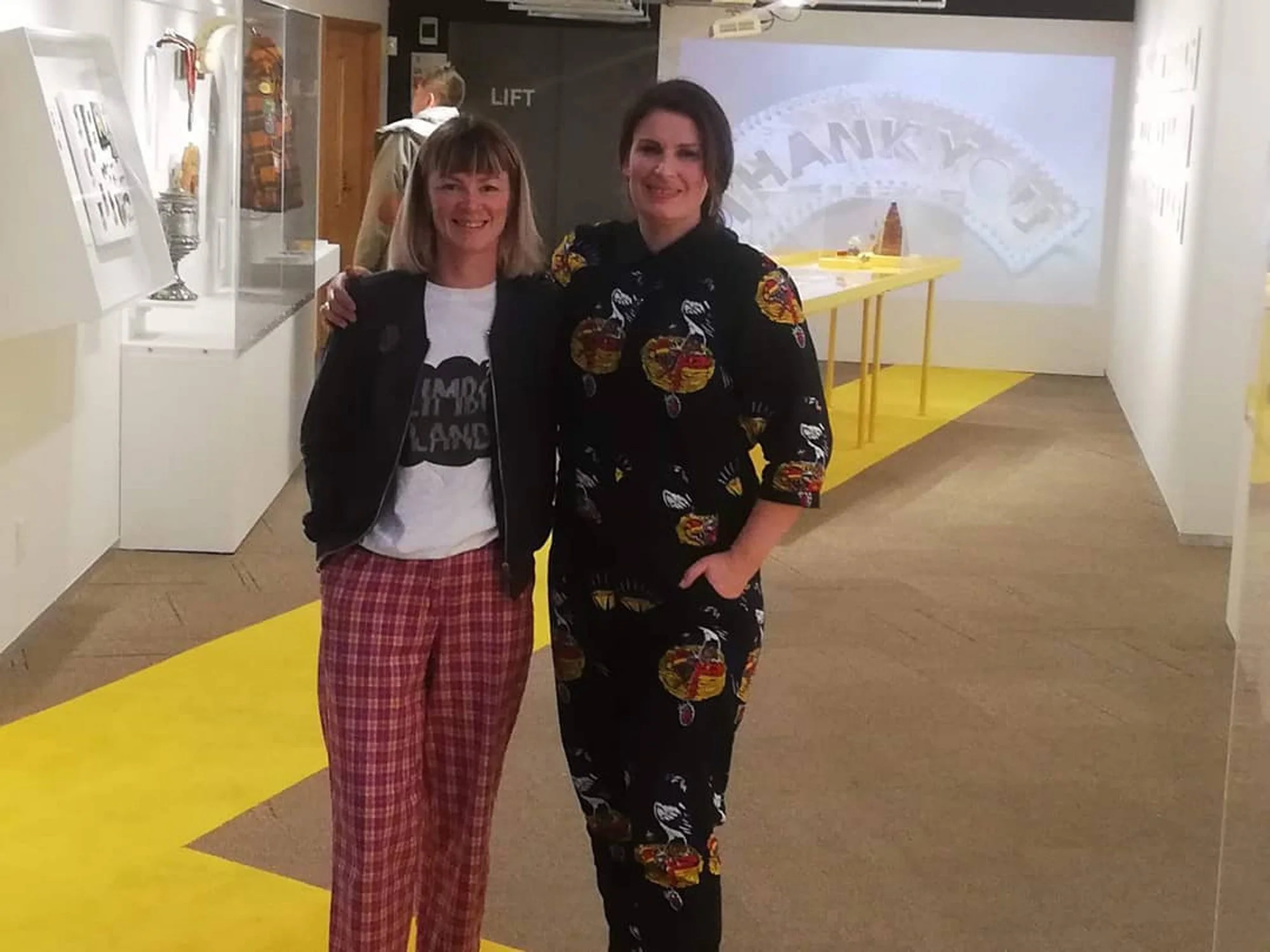
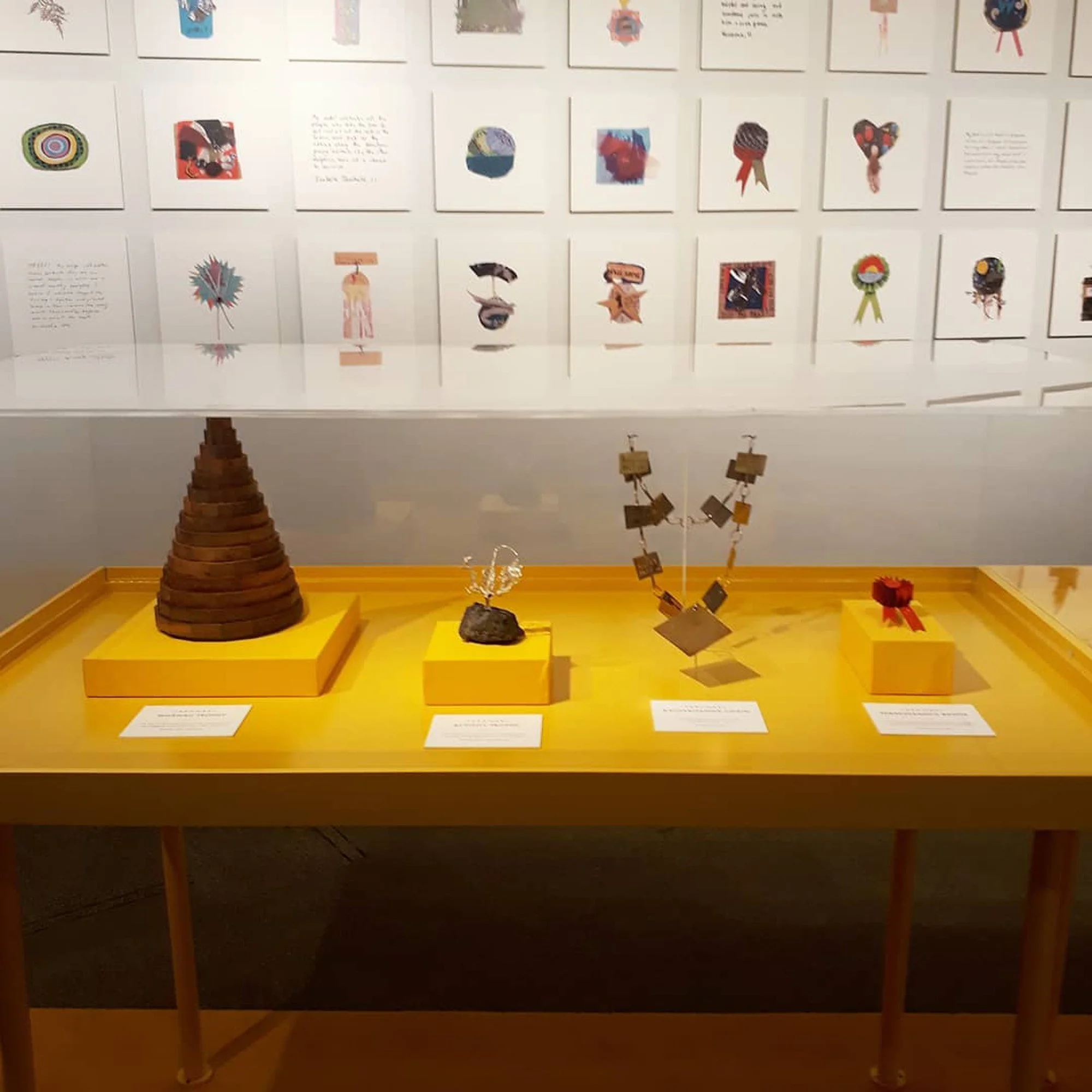
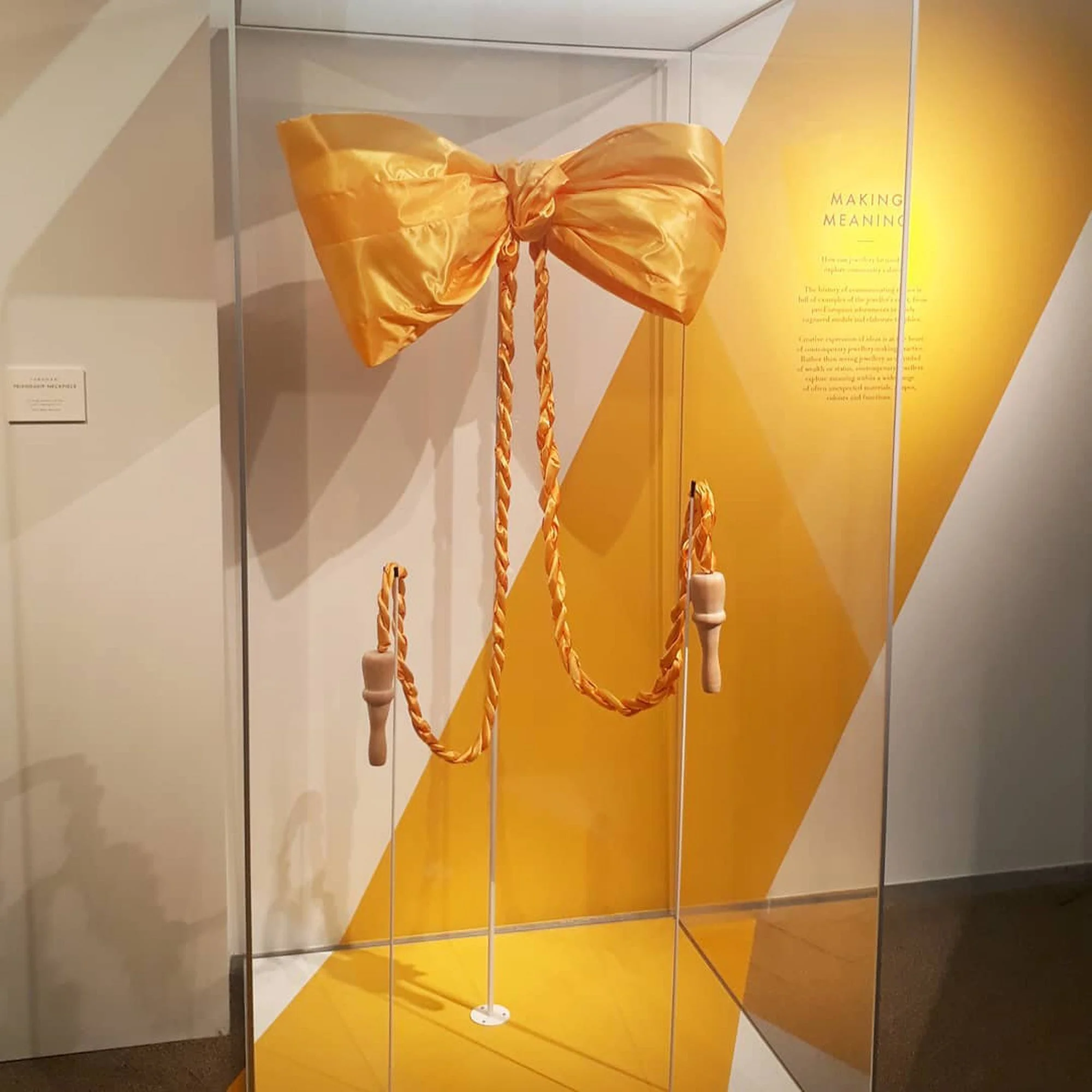
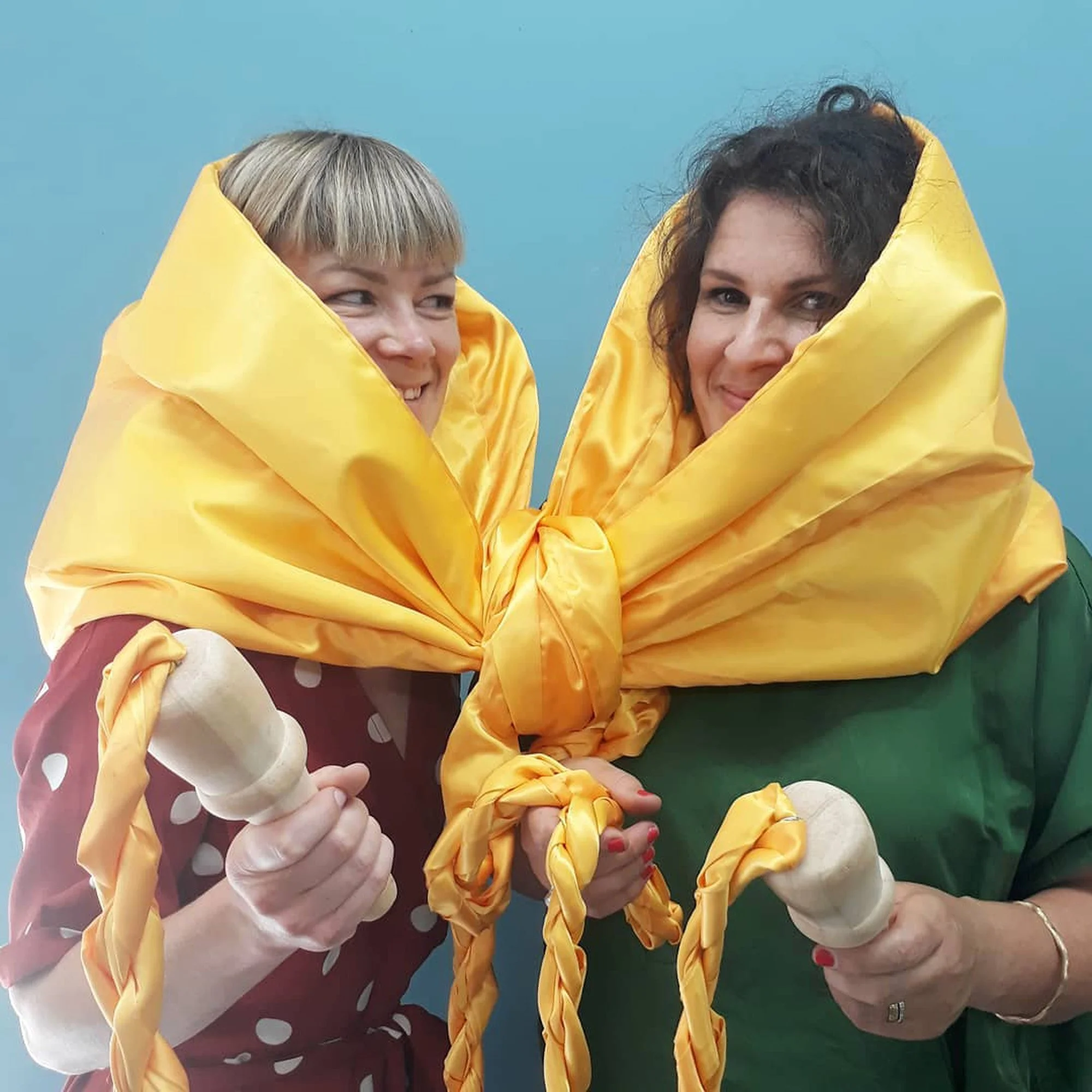
The project was especially satisfying because it combined community engagement, contemporary craft, portraiture, object photography, web development, and digital interpretation. It also represented an important step in Puke Ariki’s developing approach to virtual exhibition content, showing how a physical exhibition could be extended online through interaction, photography, artist process material, and audience participation.