
Te Kitenga o Hina: Interactive Media and Māramataka Exhibition Design
Photo by Rosie Moyes
Project: Te Kitenga o Hina interactive media
Exhibition: Te Kitenga o Hina
Location: Lane Gallery, Puke Ariki Museum, New Plymouth, Aotearoa New Zealand
Dates: 14 October 2023 – 13 October 2024
Role: Digital content coordination, interactive media development, video production, projection design, touchscreen development, AI-assisted compositing, exhibition technology
Collaborators: Puke Ariki curatorial and exhibition teams, local community contributors
Media: Multi-screen entrance video, touchscreen interactives, infrared scanning activity, 3D pā site model, immersive projection backdrop, seasonal memory game
Tools / Methods: Video compositing, touchscreen development, infrared scanning, QR/code-based interaction, 3D model presentation, AI-assisted image production, projection media, exhibition AV
Interactive touchscreen development, multi-screen video, scanning technology, 3D modelling, and immersive projection for a Te Ao Māori exhibition exploring the māramataka, seasonal knowledge, and Māori agricultural practices. My work included an entrance tunnel showing moon phases and Taranaki nightscapes, a seasonal memory game, a produce-scanning interactive, and a 3D pā site experience.
Te Kitenga o Hina was a Te Ao Māori-focused exhibition in Puke Ariki’s Lane Gallery, exploring the significance of the māramataka, the Māori lunar calendar, and its relationship to māra kai, seasonal cycles, planting, harvesting, seed saving, and sustainable food practices. The exhibition introduced visitors to the sacred seasons of Aotearoa: Takurua, Kōanga, Raumati, and Ngahuru, while also highlighting local Taranaki initiatives working to revive ancient food preservation customs and pass māra kai knowledge to future generations. The exhibition ran from 14 October 2023 to 13 October 2024.
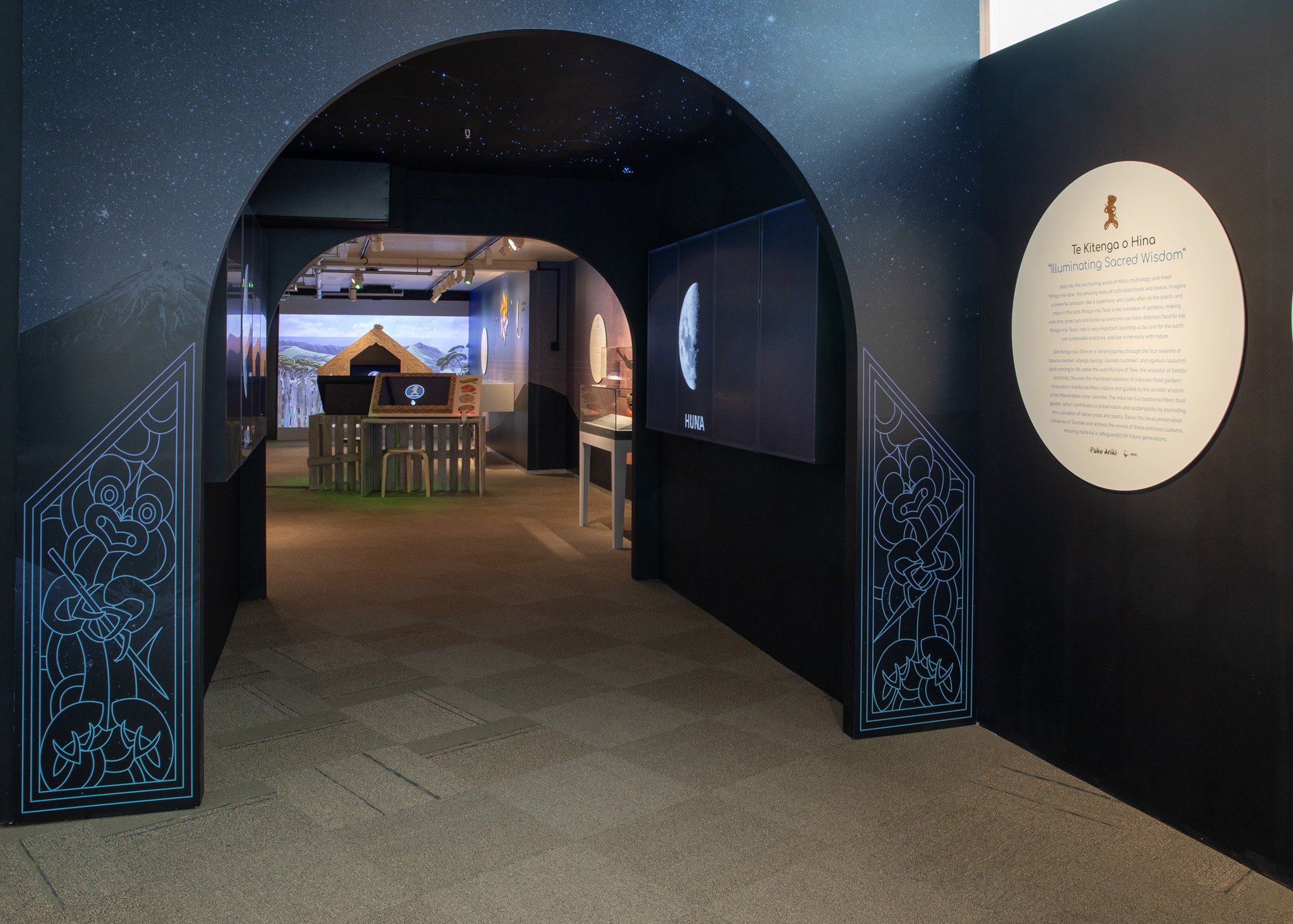
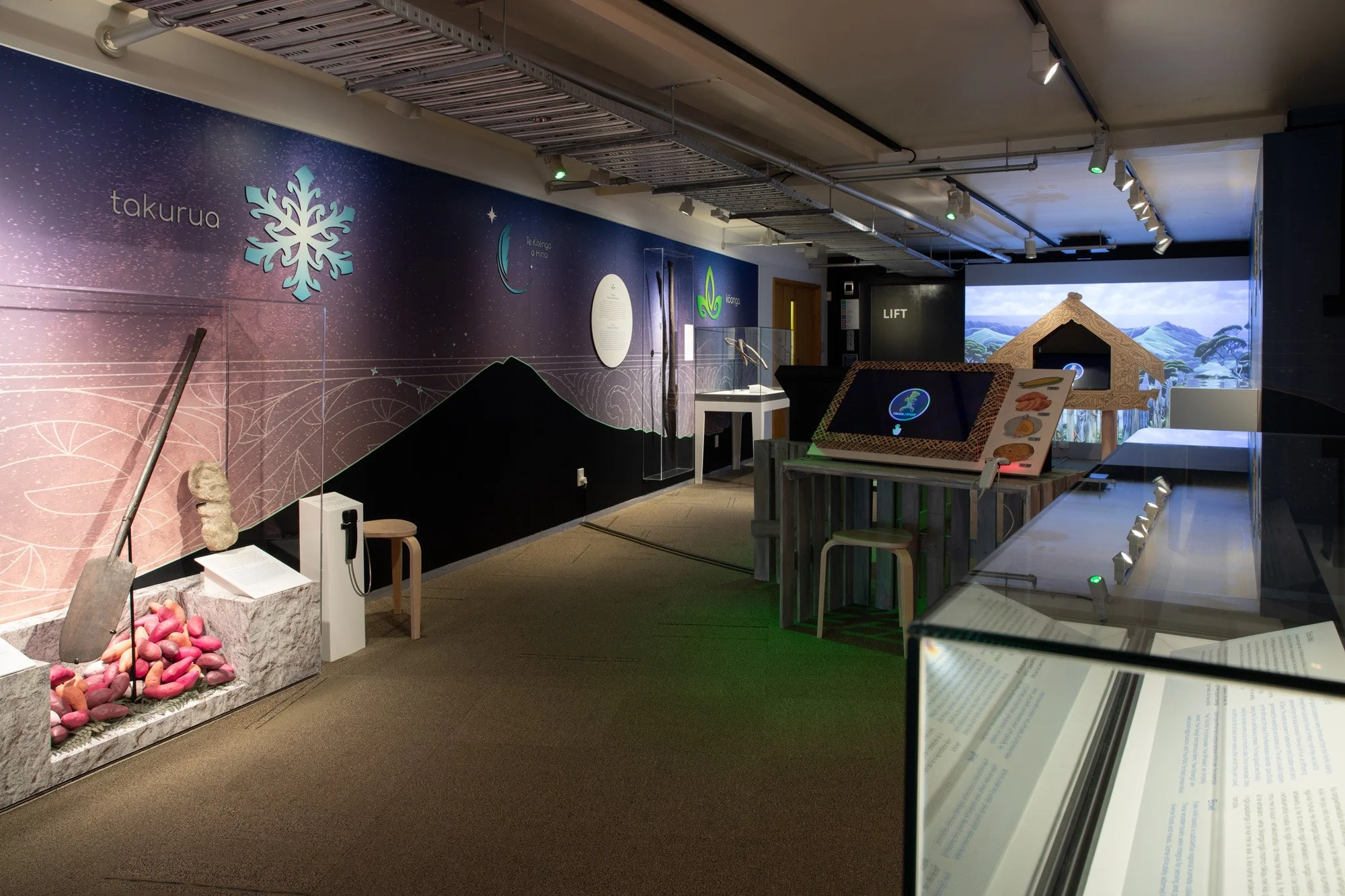
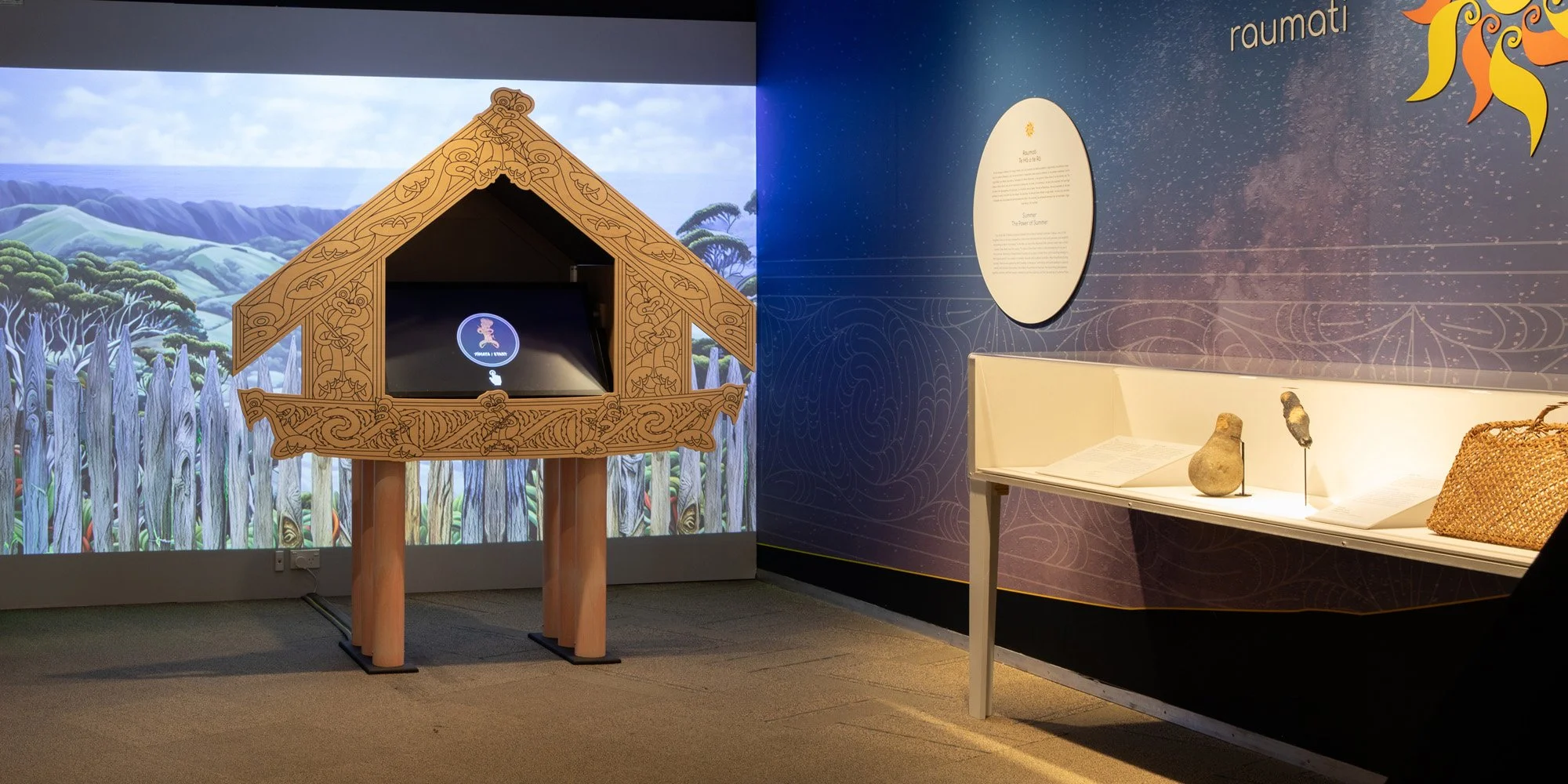
Photos by Rosie Moyes
My role was to support the exhibition as digital content coordinator and developer, working with the exhibition and curatorial teams to create a series of interactive and immersive media components. The physical exhibition was relatively small, but the digital layer added play, movement, interpretation, and atmosphere, helping visitors engage with Māori seasonal knowledge through touchscreens, projection, scanning interactions, 3D models, and multi-screen video.
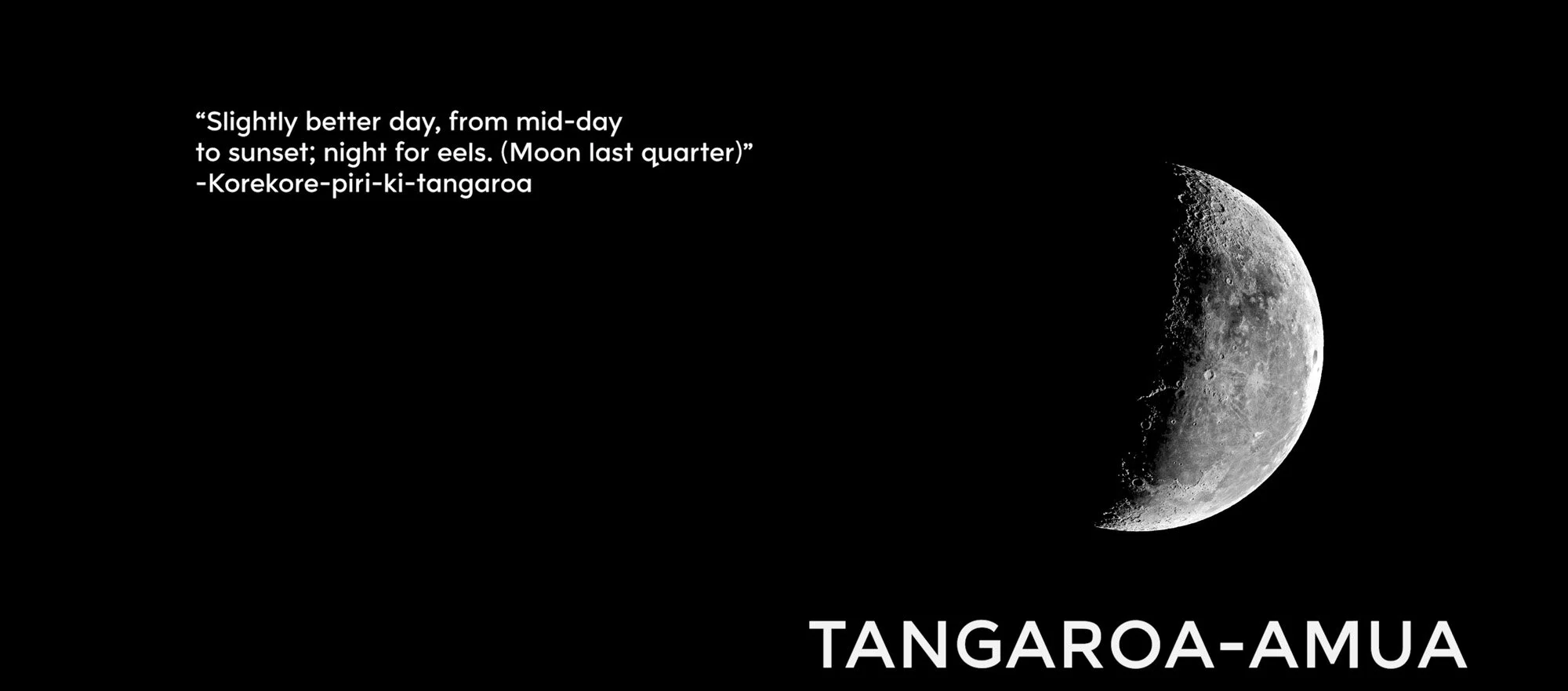
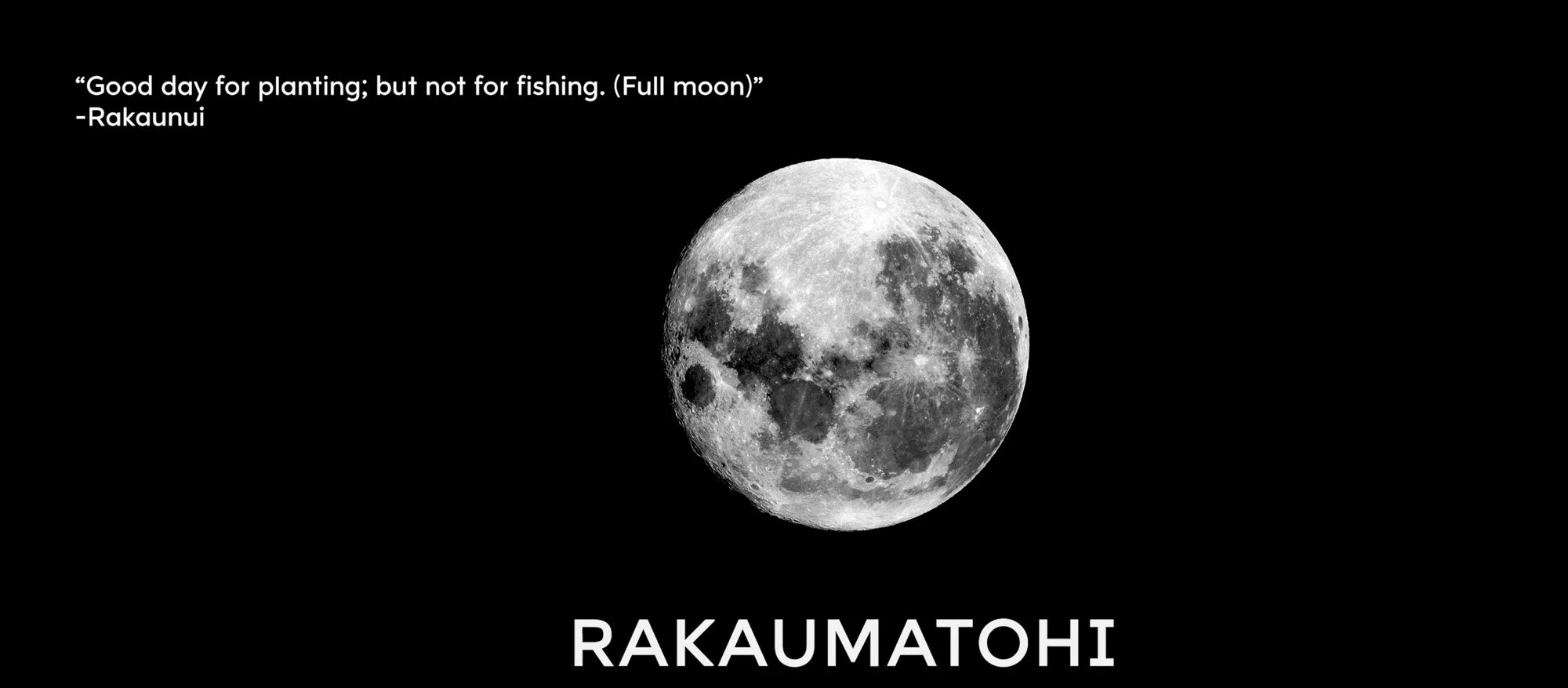
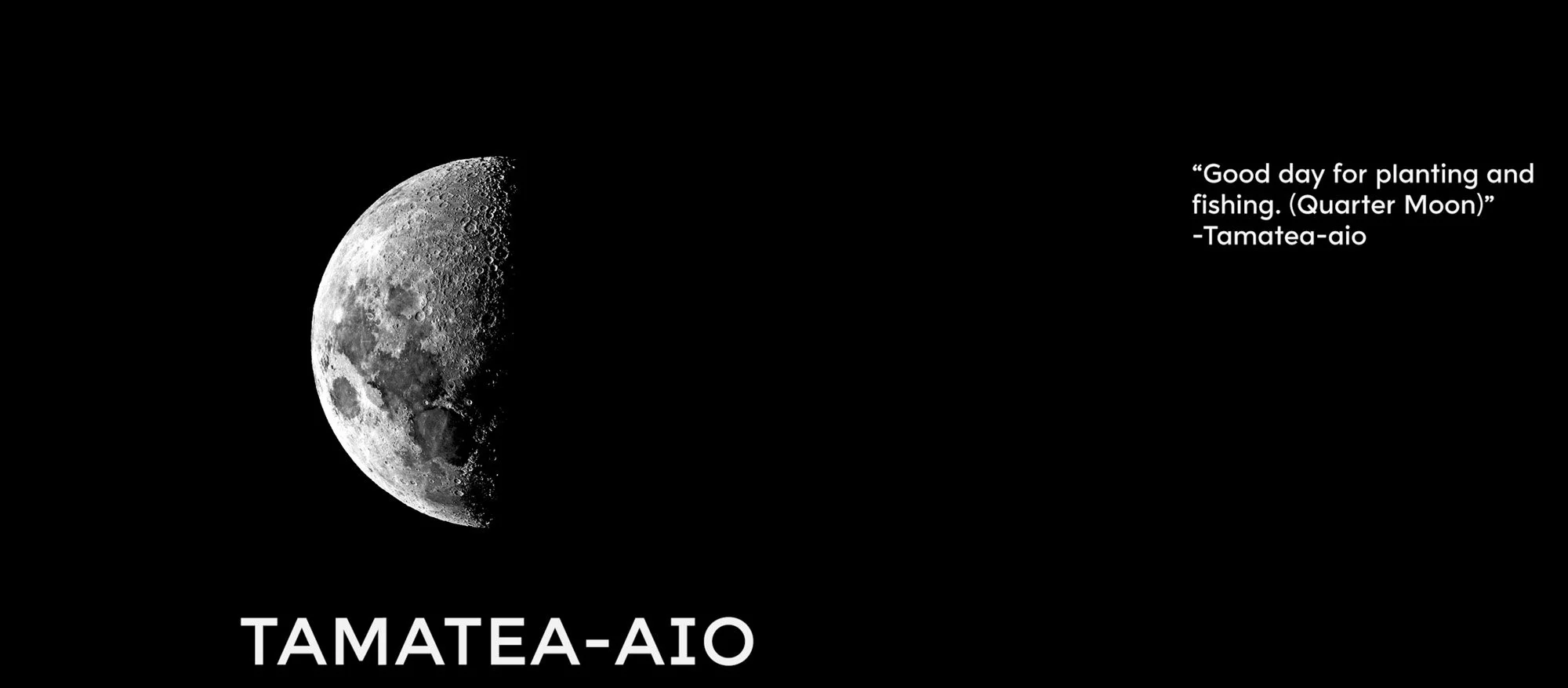
One of the major components was the entrance tunnel, designed to immerse visitors in the celestial world of the māramataka as they entered the exhibition. I developed long-format video content across multiple portrait-oriented screens, creating an extended visual sequence that introduced the phases of the moon, their names, and their relationship to seasonal knowledge. The sequence also included a night-time landscape treatment of Taranaki and New Plymouth, with the moon moving overhead, creating a quiet, atmospheric transition into the exhibition space.
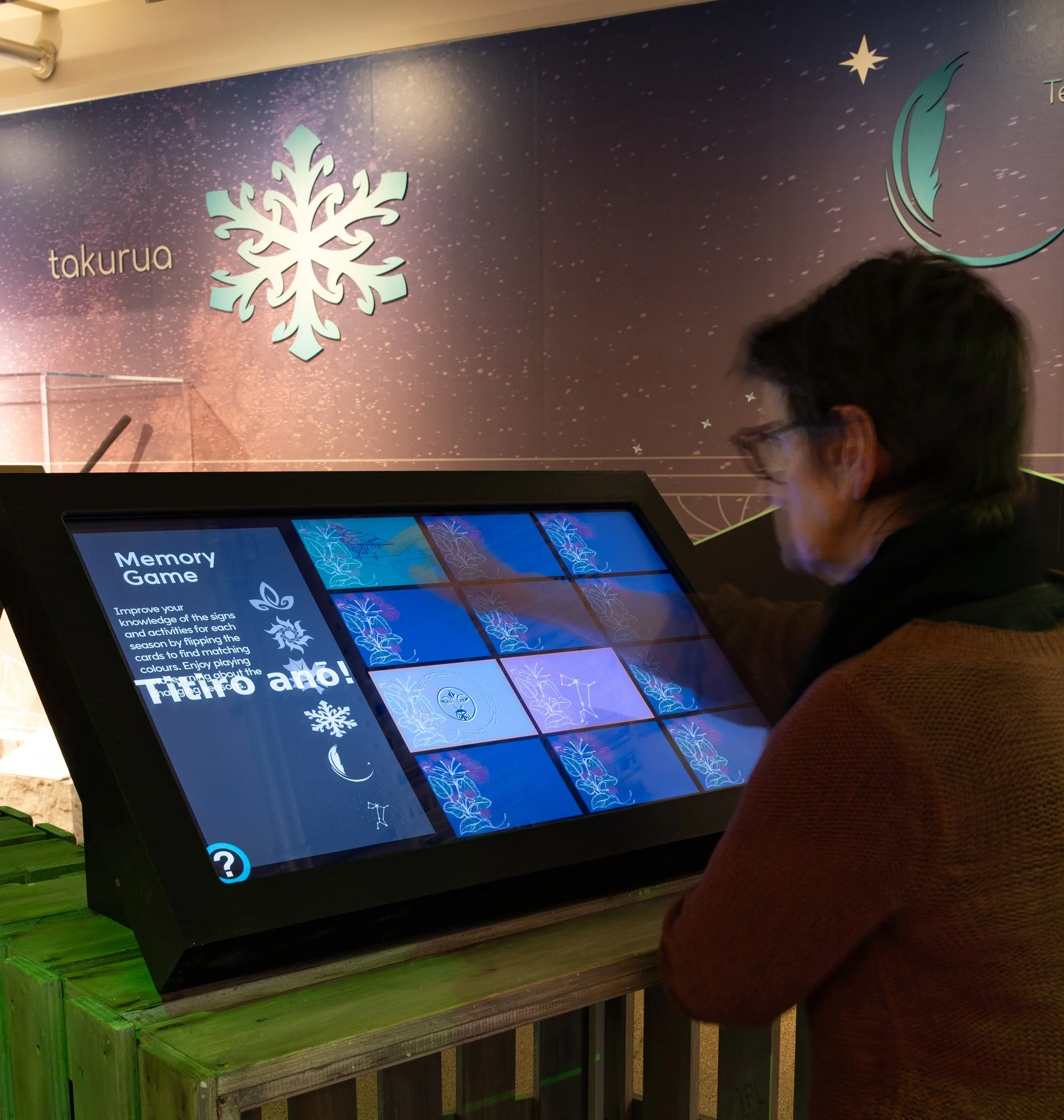
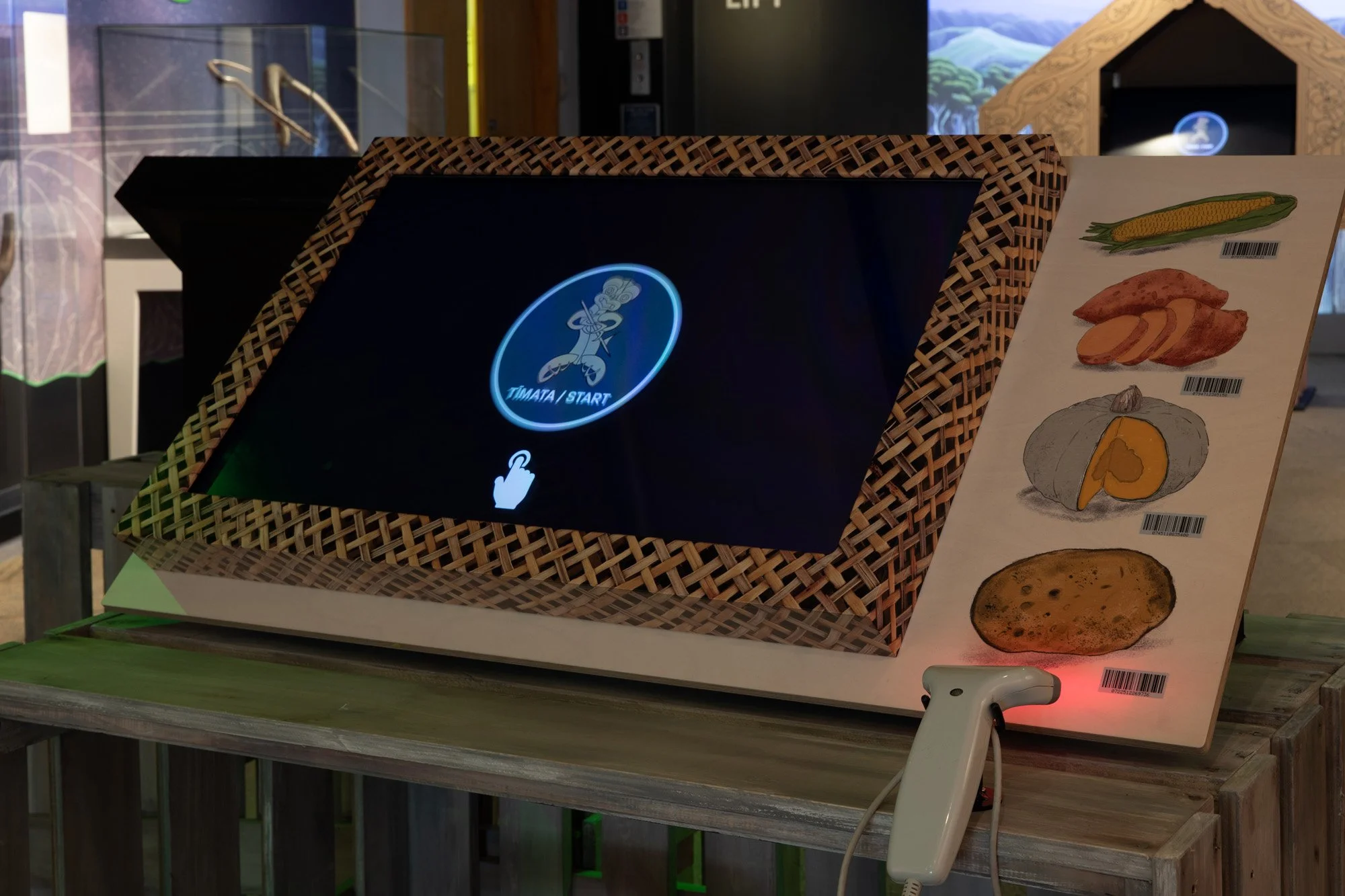
I also developed three interactive touchscreen components. The first was a memory game inspired by classic board-game mechanics and structured around Māori seasons. The second was an interactive scanning activity where visitors used an infrared scanner to scan codes connected to different agricultural products, such as pumpkin and kūmara, revealing information about their origins, cultivation, processing, harvest timelines, and sustainable growing practices. This aligned with the exhibition’s public focus on “A Journey to Sustainable Food,” where visitors could explore how māramataka principles and sustainable food practices intersect.
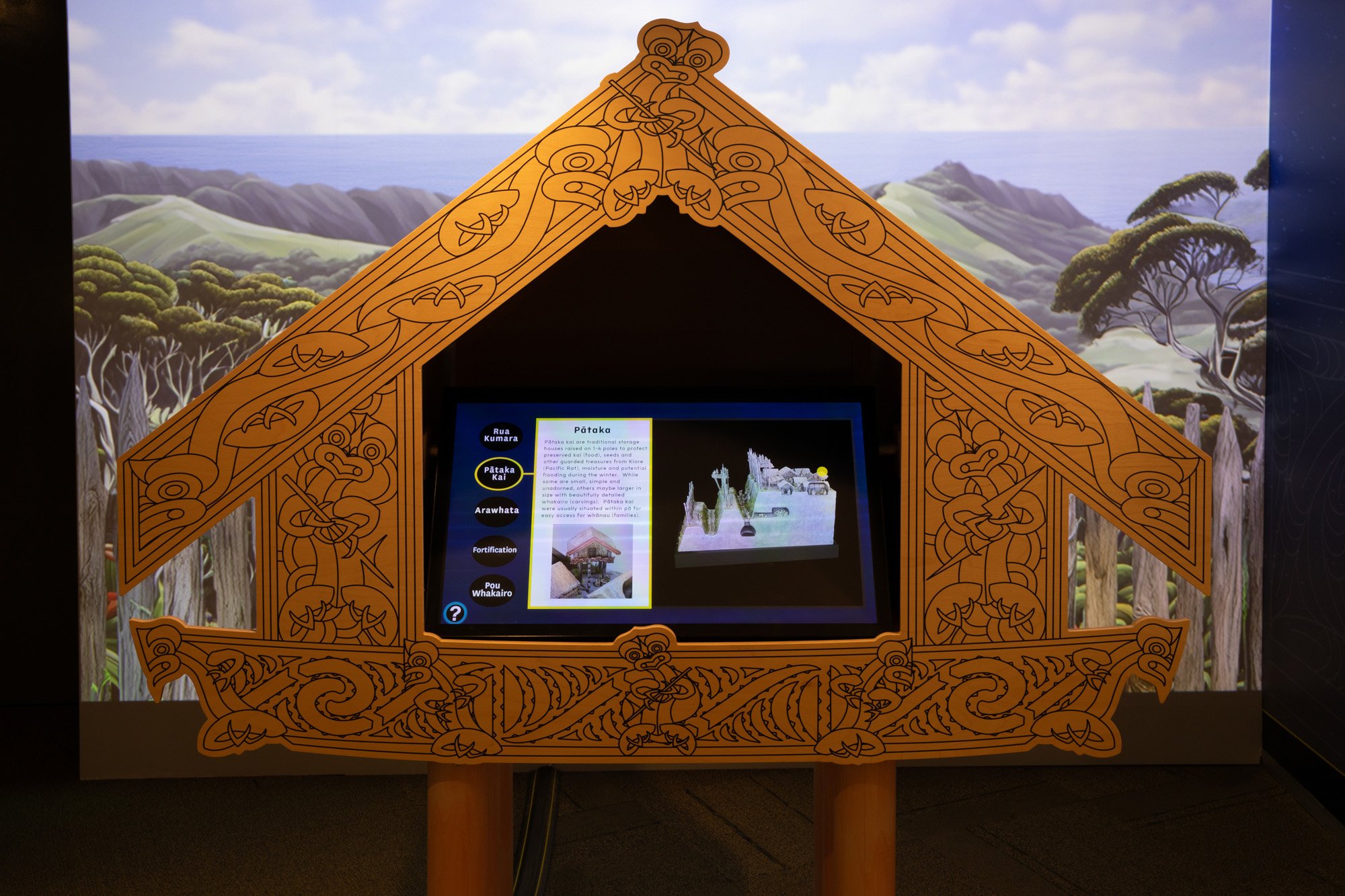
The third interactive was a 3D pā site model, designed to give visitors a spatial and visual way to engage with traditional settlement and food-production contexts. To support this component, I also created an immersive projection backdrop using video compositing and AI-assisted image tools, helping the touchscreen experience feel more environmental and connected to the wider exhibition design rather than functioning as a standalone screen.
Photos by Rosie Moyes
The exhibition also showcased taonga Māori from Puke Ariki’s collection connected to tools used in māra kai, and was developed in collaboration with the local community. My digital work supported that wider interpretive framework by creating accessible, playful, and visually engaging ways for visitors to encounter seasonal knowledge, food systems, lunar cycles, and the relationship between land, sky, and cultivation.
This project reflects my ability to develop digital exhibition media that responds to curatorial intent, visitor experience, and spatial design. It brought together multi-screen video, interaction design, scanning technology, 3D modelling, projection, AI-assisted compositing, and exhibition technology to support a small but richly layered gallery experience.