
Virtual Tours and 360 Exhibition Documentation
Project: Virtual Tours and 360 Exhibition Documentation
Institutions: Puke Ariki Museum; Govett-Brewster Art Gallery / Len Lye Centre
Location: New Plymouth, Aotearoa New Zealand
Role: 360 photography, virtual tour production, digital coordination, exhibition documentation, web publishing, technical workflow development
Collaborators: Puke Ariki curatorial, exhibition, education, and IT teams; Govett-Brewster Art Gallery team; New Zealand Photographers of Cultural Collections
Featured tours: Whare Kahurangi Virtual Tour, Points of View Virtual Tour, Home Work Taranaki Art 2020 Virtual Tour, selected Govett-Brewster virtual tours
Media: 360 exhibition tours, web-based virtual exhibitions, interactive hotspots, embedded media, exhibition archives, educational resources
Tools / Methods: 360 photography, virtual tour software, web embedding, hotspot development, exhibition documentation, online interpretation, digital archiving, website infrastructure planning
Presentation: New Zealand Photographers of Cultural Collections annual meetup
360 photography, virtual exhibition production, web infrastructure, and exhibition archiving developed to extend Puke Ariki and Govett-Brewster gallery experiences beyond the physical exhibition period.
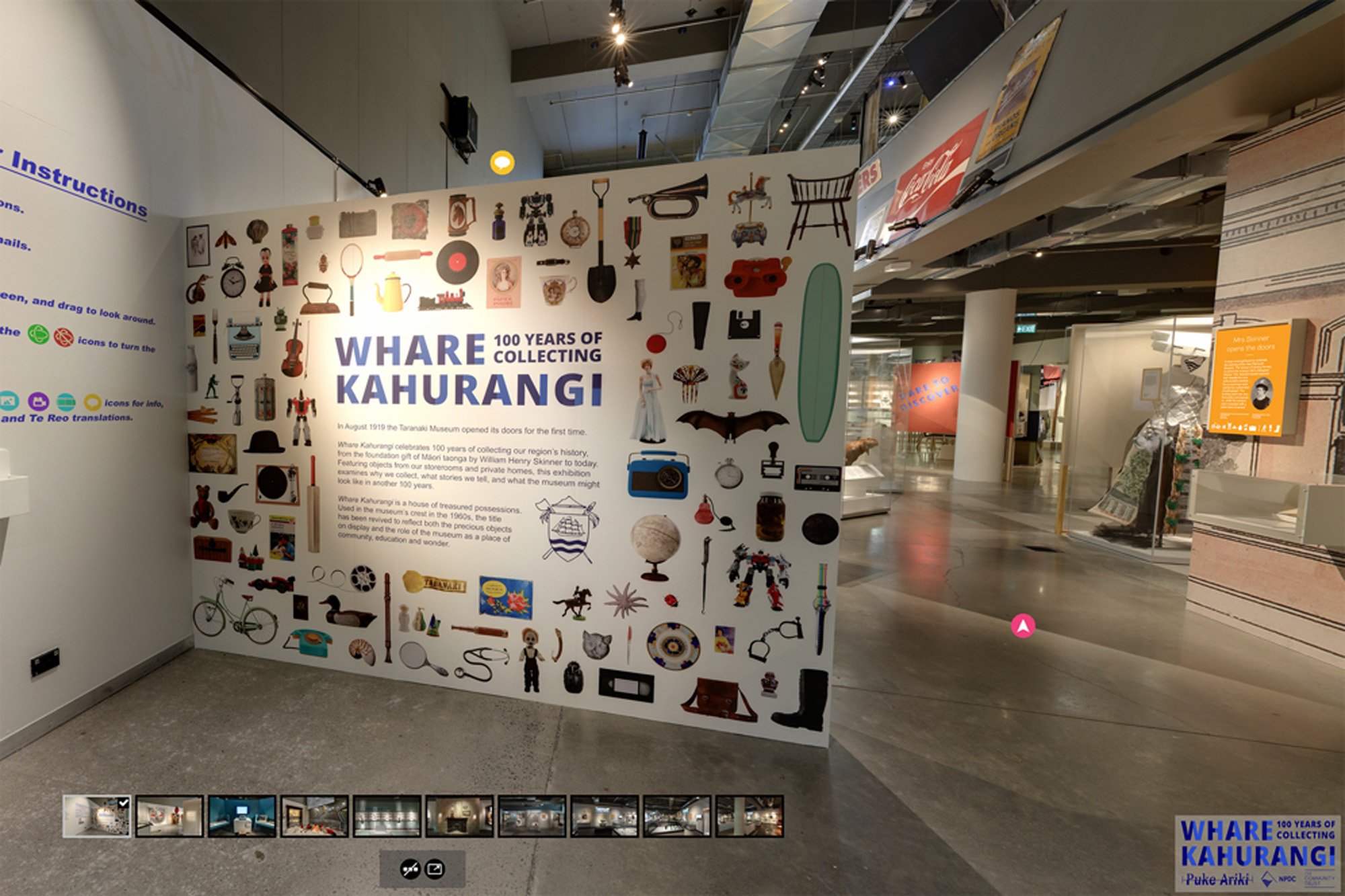
At Puke Ariki, I developed an ongoing programme of virtual tours and 360 exhibition documentation to capture temporary exhibitions, extend public access, and create a richer digital record of gallery spaces. The work began in 2019 with Whare Kahurangi, Puke Ariki’s 100-year anniversary exhibition, and grew into a wider approach to documenting exhibitions in 360 and publishing selected tours as online experiences.
The first virtual tour, Whare Kahurangi, was an important proof of concept. It captured a major exhibition in a new format and helped establish virtual tours as a meaningful part of Puke Ariki’s digital practice. At the time, there was some concern that online tours might discourage physical visitation, but the opposite proved true. The tours gave audiences a way to preview exhibitions, revisit them after they closed, and share them with people who could not attend in person.
This early investment became especially valuable during the COVID period, when cultural institutions needed stronger ways to reach audiences outside the building. Because we had already begun developing the workflows, infrastructure, and internal confidence around virtual tours, Puke Ariki was better positioned to support online engagement when access to physical gallery spaces became more uncertain.
My role included 360 photography, virtual tour production, digital coordination, and close collaboration with exhibition, curatorial, education, and IT teams. I worked with New Plymouth District Council’s IT department to develop the hosting infrastructure, security protocols, and technical pathways needed to publish tours reliably on the Puke Ariki website. The museum’s virtual exhibitions page continues to list several ongoing virtual resources, including Home Work Taranaki Art 2020 Virtual Tour, Points of View Virtual Tour, and Whare Kahurangi Virtual Tour.
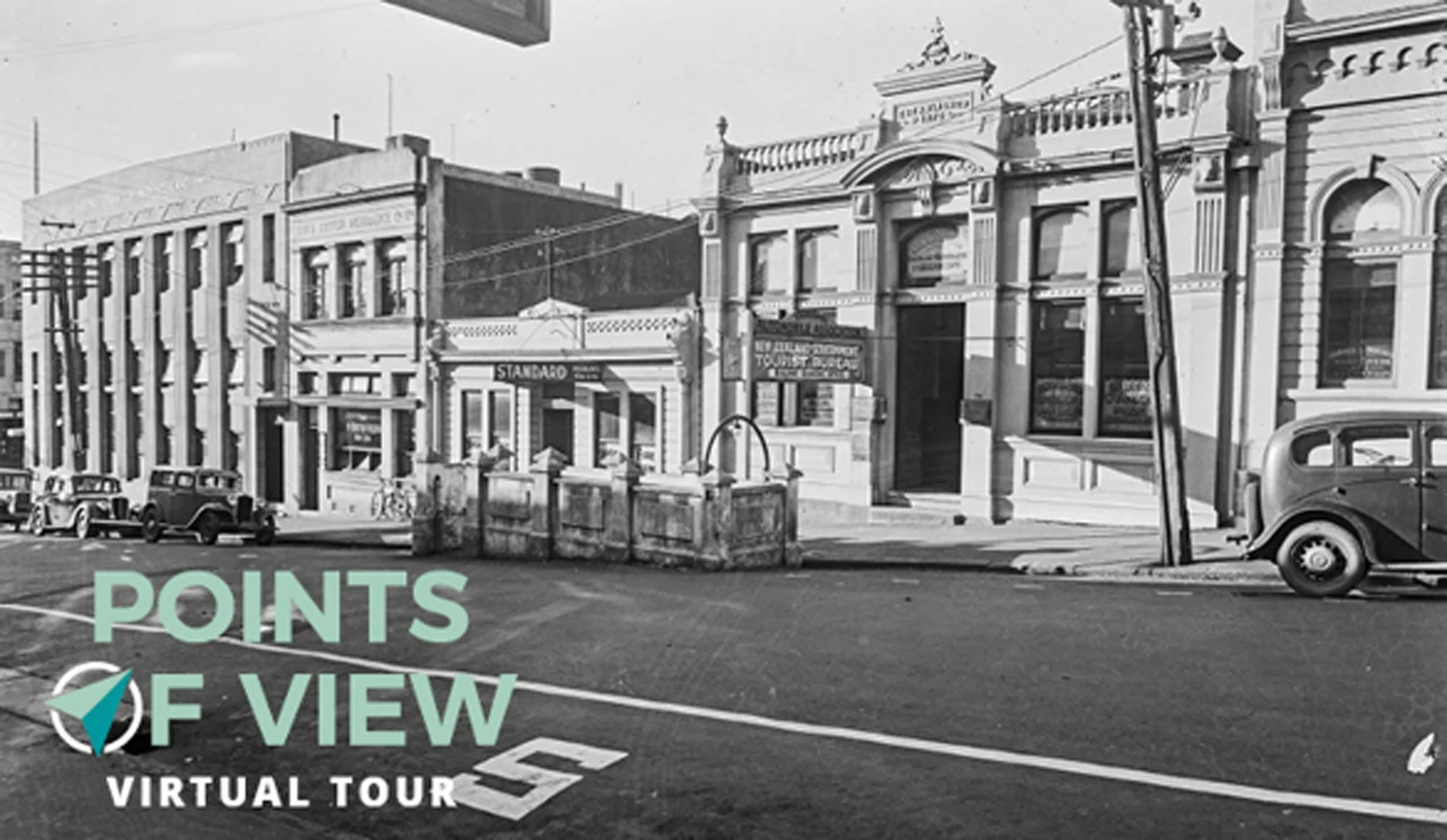
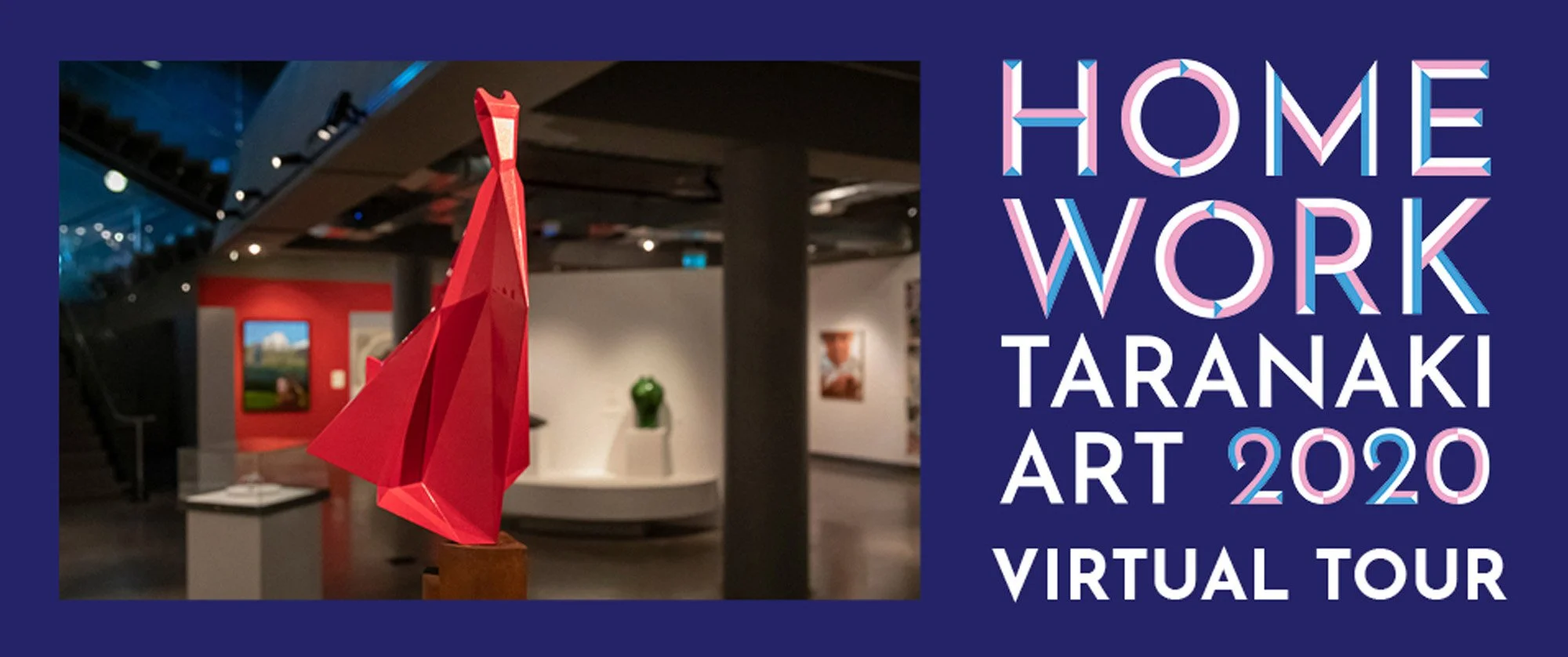
Each tour had a slightly different purpose. Whare Kahurangi preserved a major anniversary exhibition and created a public-facing record of a milestone moment for the museum. Points of View used the virtual tour format to bring audiences into the Lane Gallery and explore the history of New Plymouth’s urban streets, while Home Work Taranaki Art 2020 became one of Puke Ariki’s most developed virtual experiences, connecting the gallery tour with artist interviews, VR180 studio content, and an interactive digital ruru hunt. Puke Ariki’s website describes the Home Work virtual tour as an ongoing online version of the exhibition celebrating Taranaki art.
Alongside the tours published online, I captured original 360 documentation for all Puke Ariki temporary exhibitions across several years. Not every capture was developed into a full public tour, but the archive created a detailed spatial record of exhibitions that would otherwise only survive through installation photography and written documentation. This gave the museum the option to revisit exhibitions later, develop future online resources, support internal review, or use the material for education, interpretation, and creative planning.
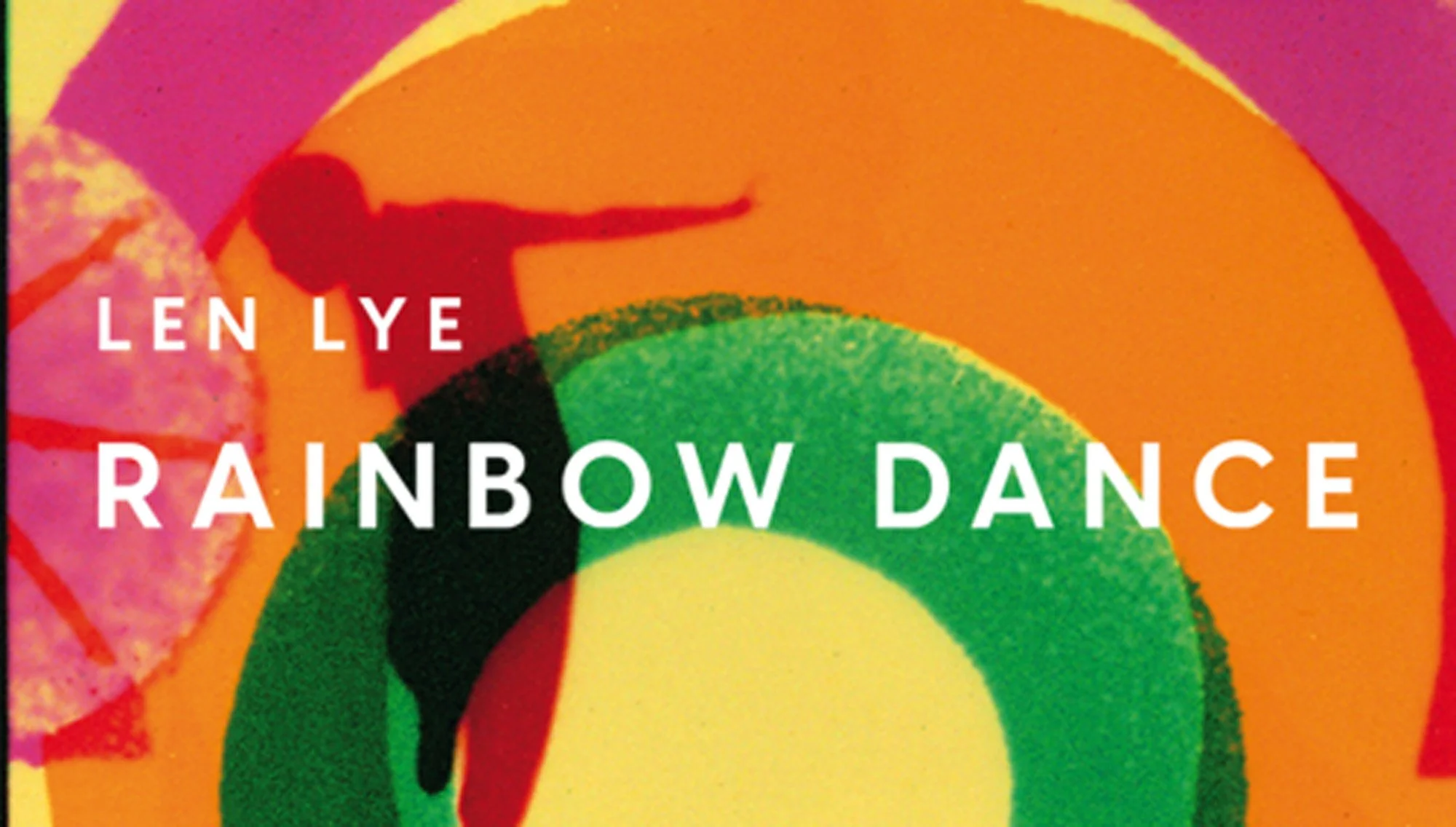
I also extended this work to the Govett-Brewster Art Gallery / Len Lye Centre, producing virtual tour work for selected exhibitions and helping apply the same digital documentation approach in a contemporary art gallery context. The Govett-Brewster website maintains a virtual tours section, reflecting the broader value of this format across the Cultural Experiences division.
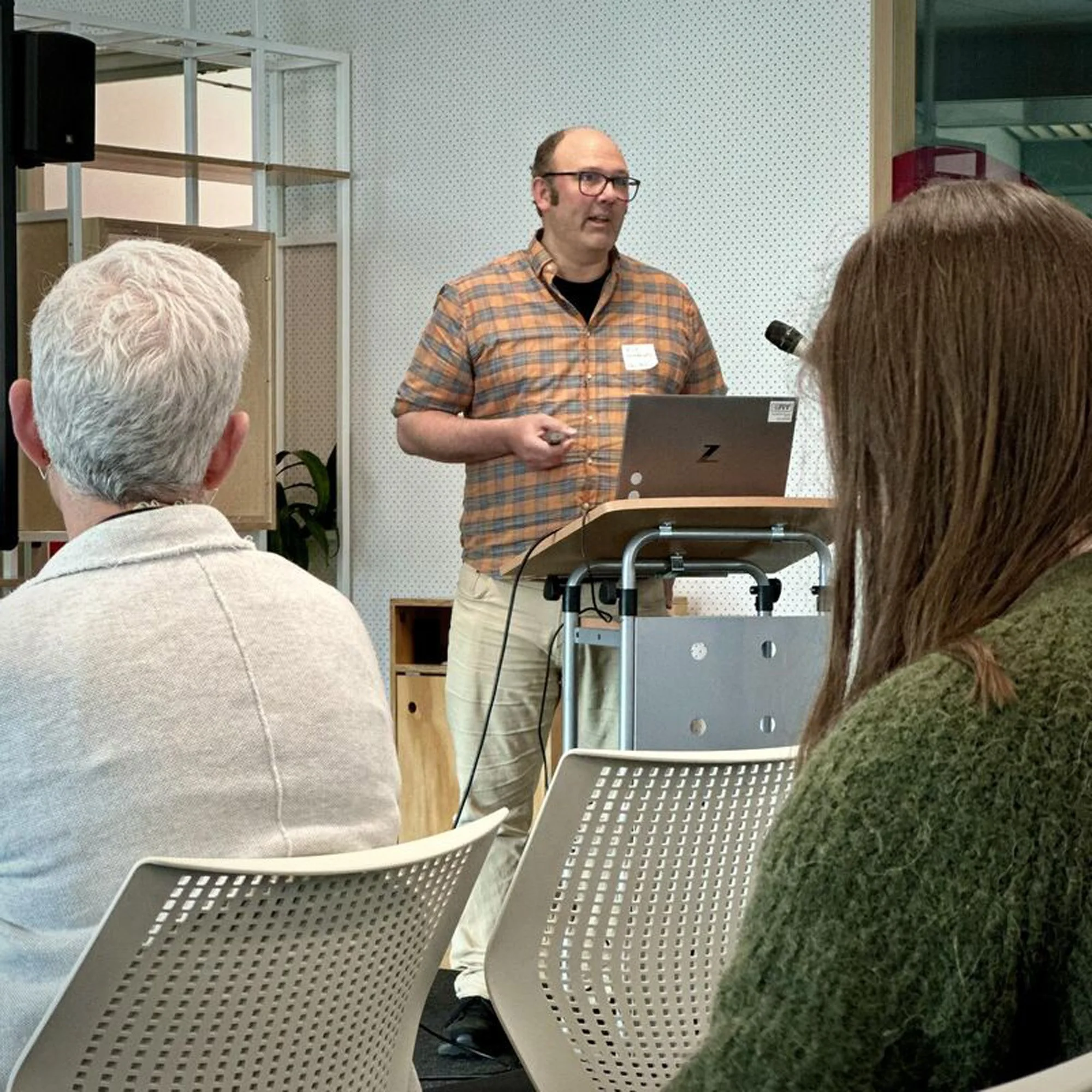
This body of work was also part of a wider conversation about photography, documentation, and digital access in the GLAM sector. I presented on aspects of the virtual tour workflow, exhibition photography, and 360 documentation for the New Zealand Photographers of Cultural Collections annual meetup, sharing lessons from Puke Ariki’s experiments with virtual exhibition capture and online publishing.
The virtual tour programme reflects one of the major themes of my museum career: using practical digital tools to expand access, preserve temporary experiences, and create new forms of engagement without losing sight of the physical gallery. The work helped Puke Ariki build a lasting digital exhibition infrastructure, preserve years of temporary exhibitions in 360, and demonstrate how online experiences can complement, rather than replace, in-person visitation.