
Wingnut Wings Model Photography and Research Imaging
Project: Wingnut Wings model photography and research imaging
Organisation: Peter Jackson production company / Wingnut Wings
Location: Wellington, Aotearoa New Zealand
Role: Research digitisation, model photography, macro photography, object handling, sprue and decal-sheet photography, interactive 360 imaging, reference library support
Collaborators: Wingnut Wings research and model-making team, including Richard Alexander
Media: Historic reference photography, aircraft fabric and insignia imaging, model kit photography, macro detail images, decal-sheet photography, sprue-sheet photography, interactive 360 model turnarounds, web product imagery
Tools / Methods: Studio photography, macro photography, turntable photography, 10-degree rotational capture, archival digitisation, suspended-object photography, object handling, image editing, interactive web imaging
Macro photography, research digitisation, fragile object handling, sprue and decal-sheet imaging, and interactive 360 product photography for Wingnut Wings, Peter Jackson’s highly regarded First World War scale-modelling company. My work supported the design reference library and website presentation through detailed imaging of historic materials, artefacts, aircraft components, unassembled kit parts, and completed model aircraft.
Wingnut Wings was a specialist New Zealand scale-modelling company founded by filmmaker Peter Jackson, focused on highly detailed 1/32 scale First World War aircraft model kits. The company launched publicly in 2009 and quickly became known in the modelling community for its exceptional attention to research, accuracy, engineering, documentation, and visual presentation.
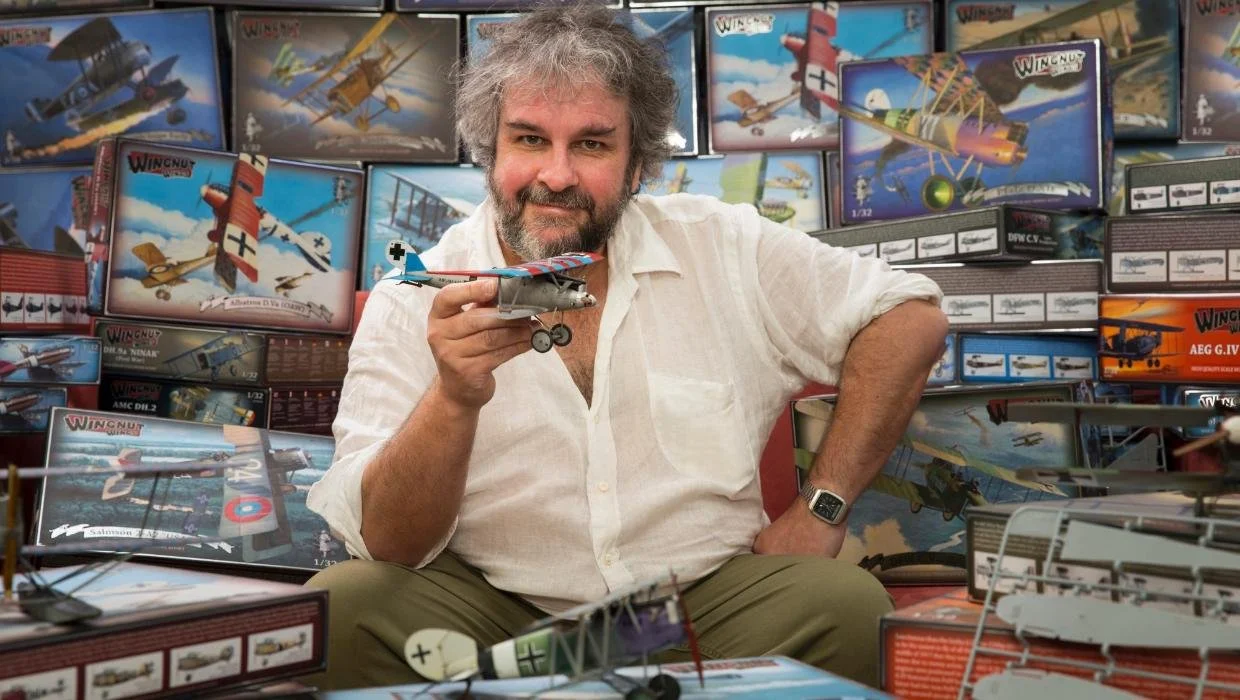
My role supported the research, documentation, and visual presentation behind the Wingnut Wings kits. I photographed and digitised a wide range of First World War reference material, including historic photographs, aircraft fabric, insignia, uniforms, parts, engine components, and other artefacts used by the design and research teams. This work required careful handling of fragile and historically significant material, precise studio photography, and an understanding of how visual documentation could support design accuracy, historical interpretation, and product development.
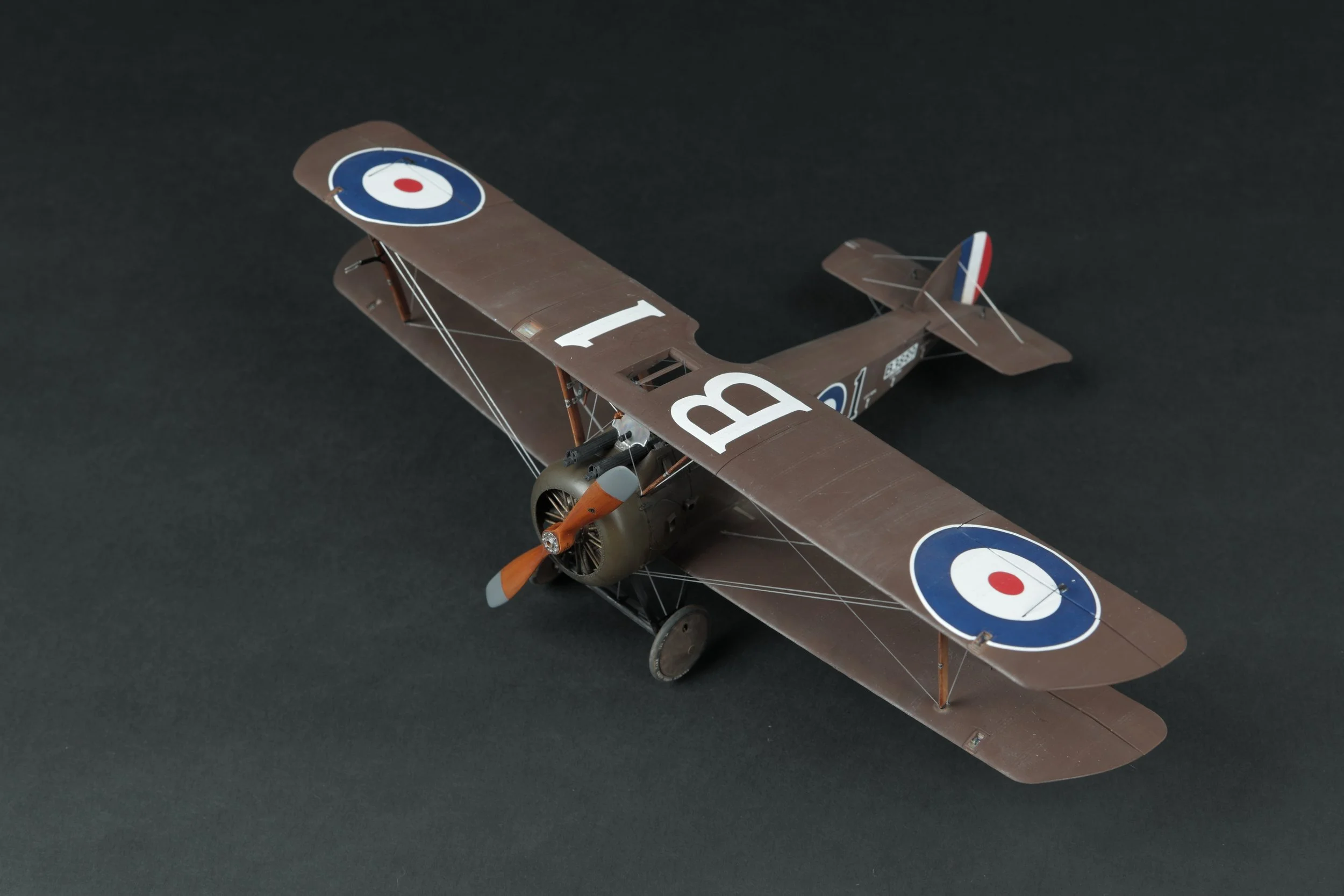
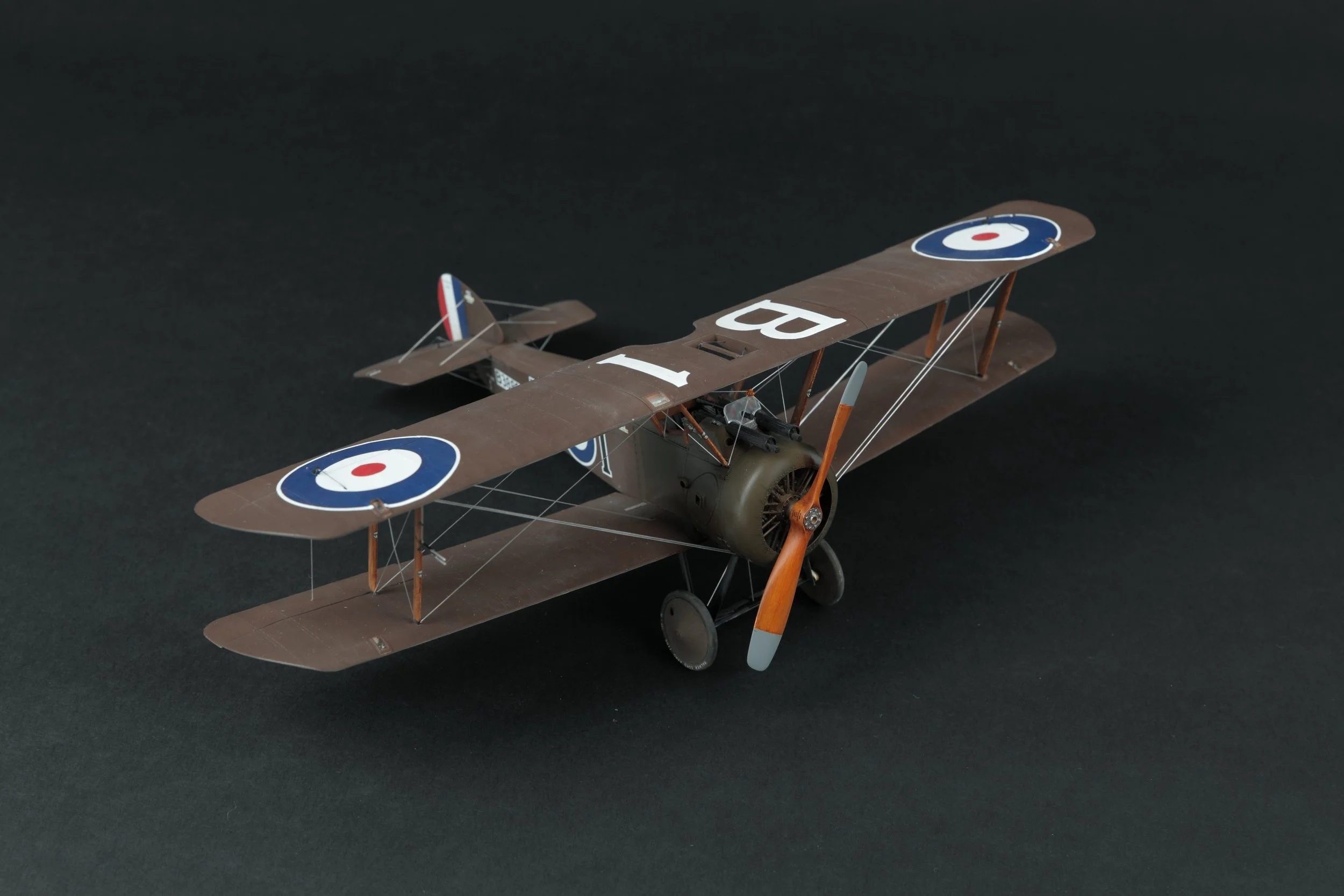
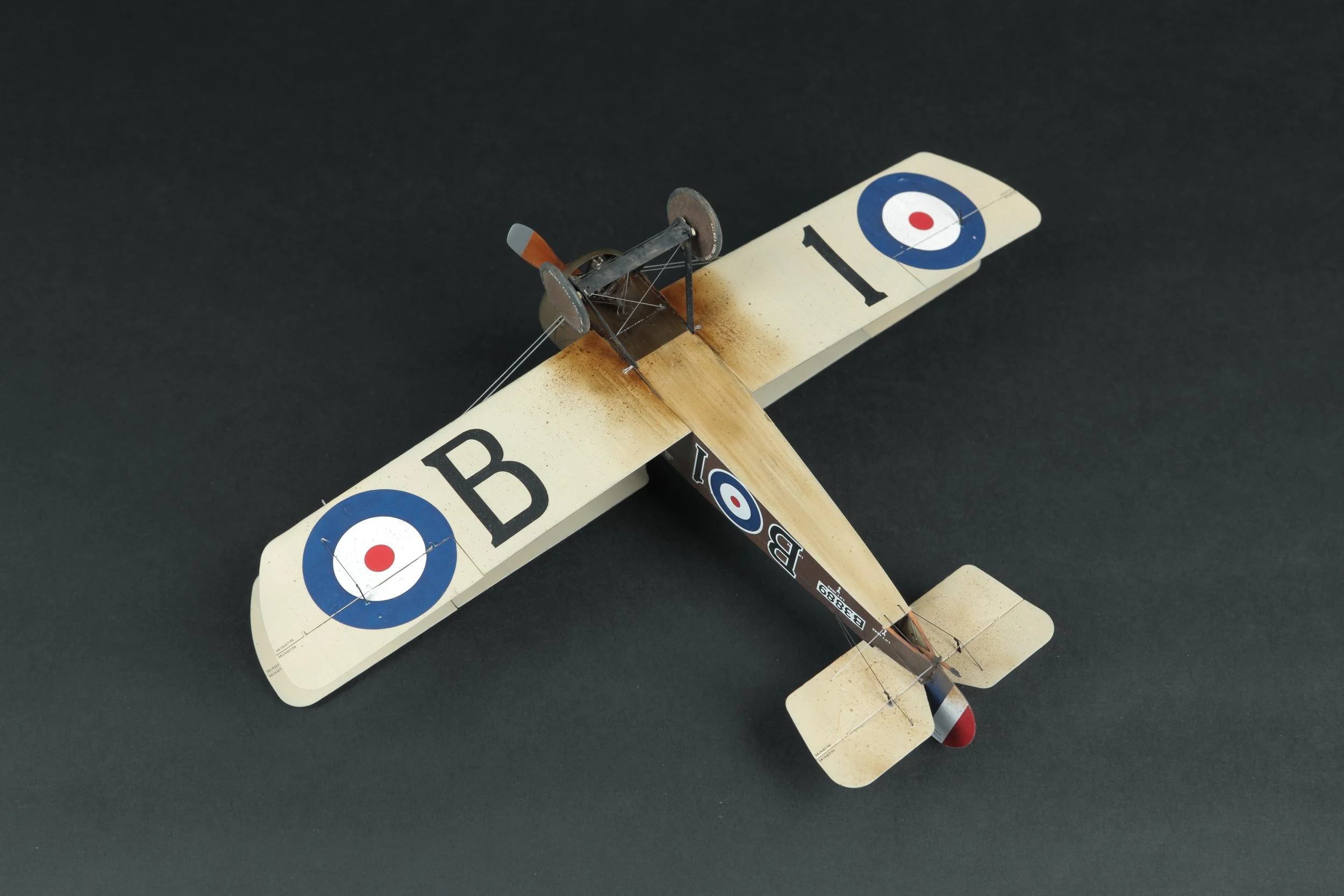
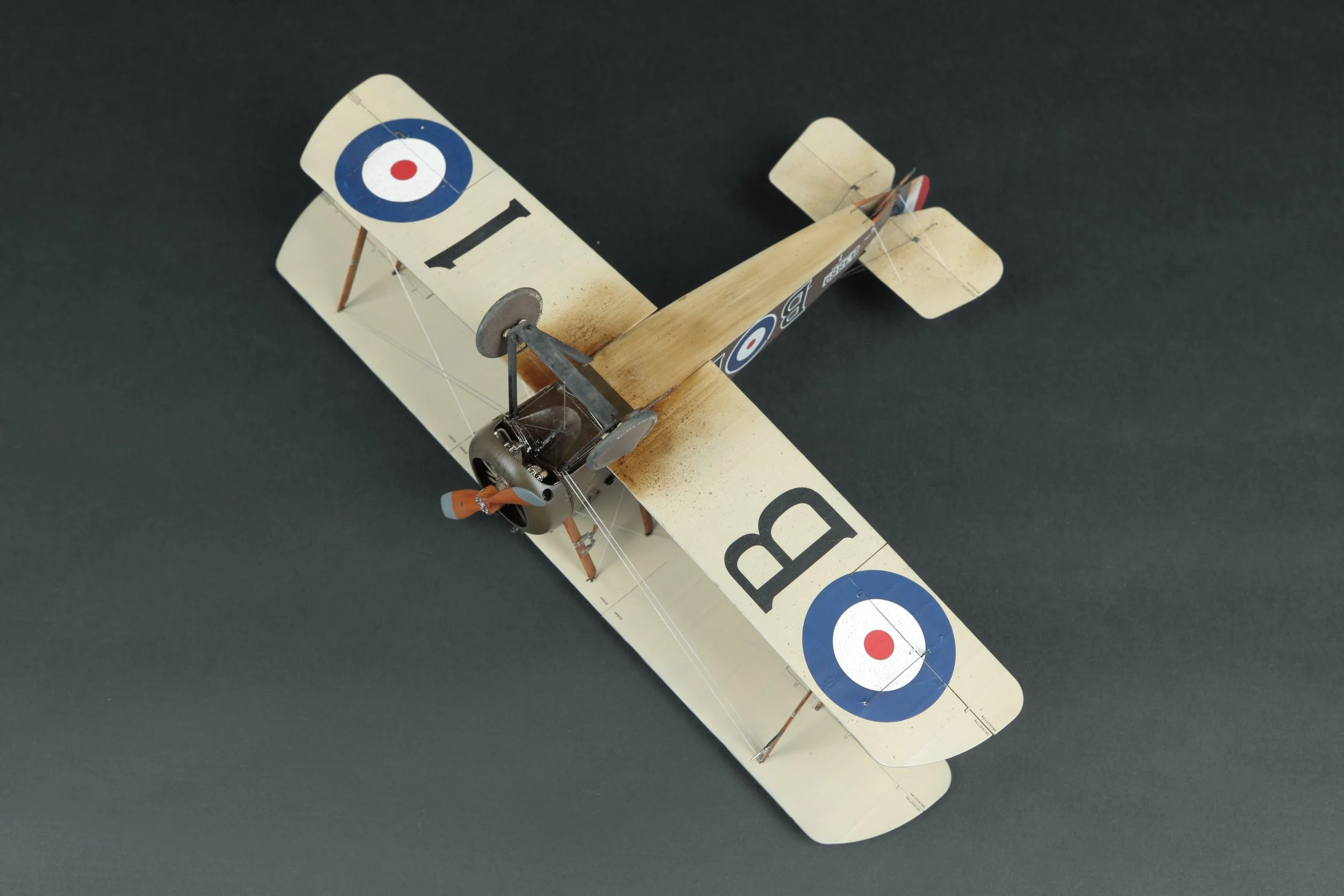
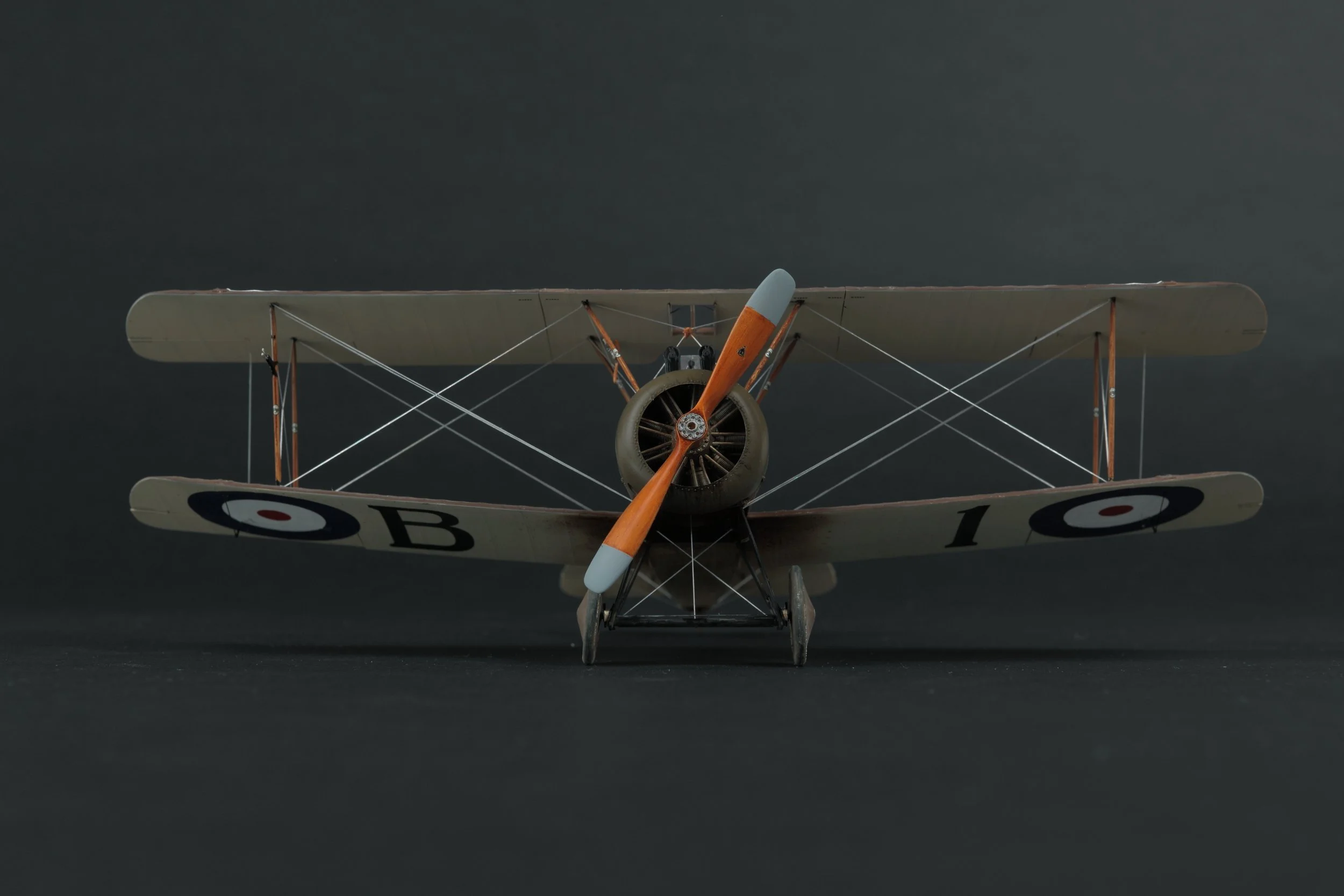
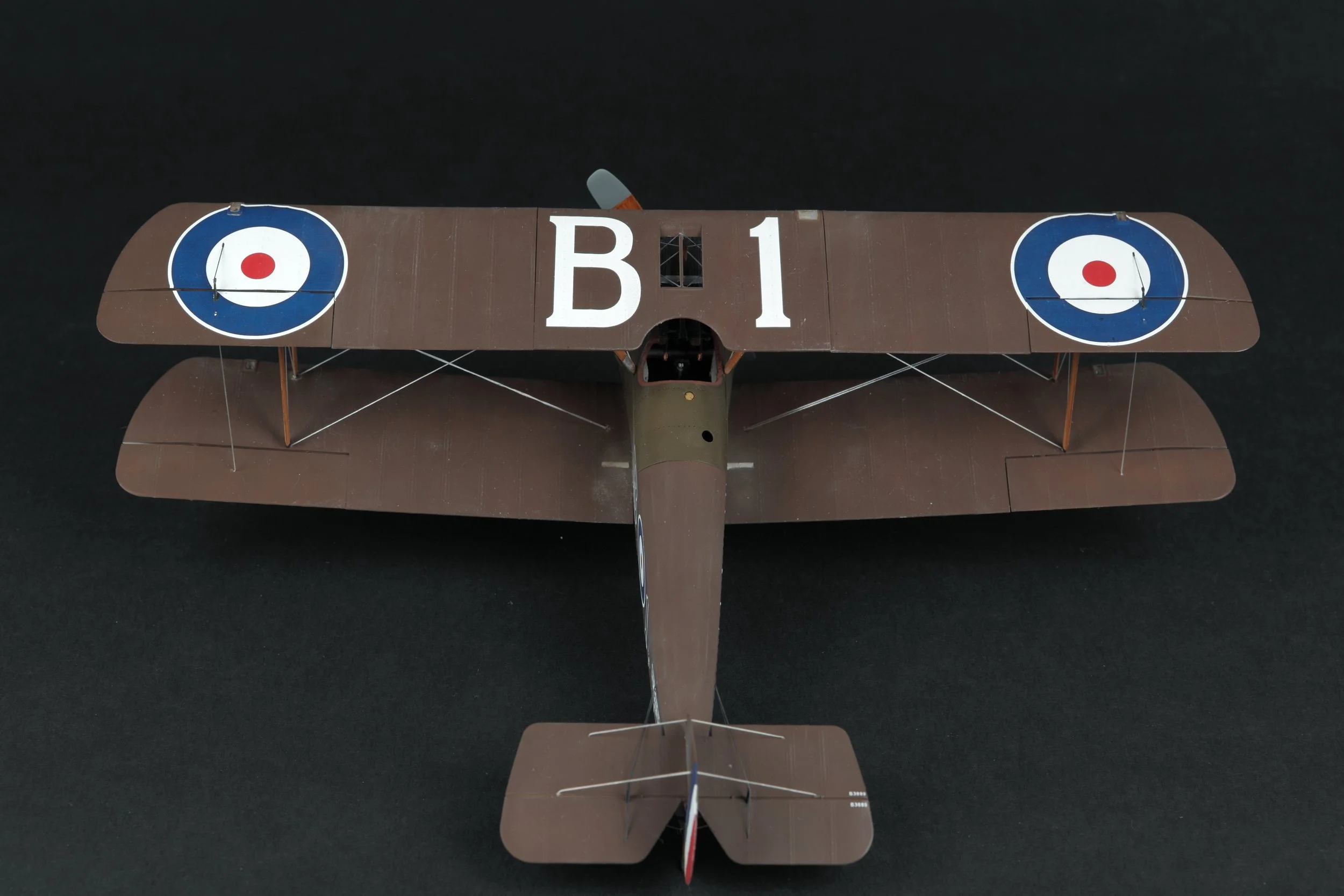
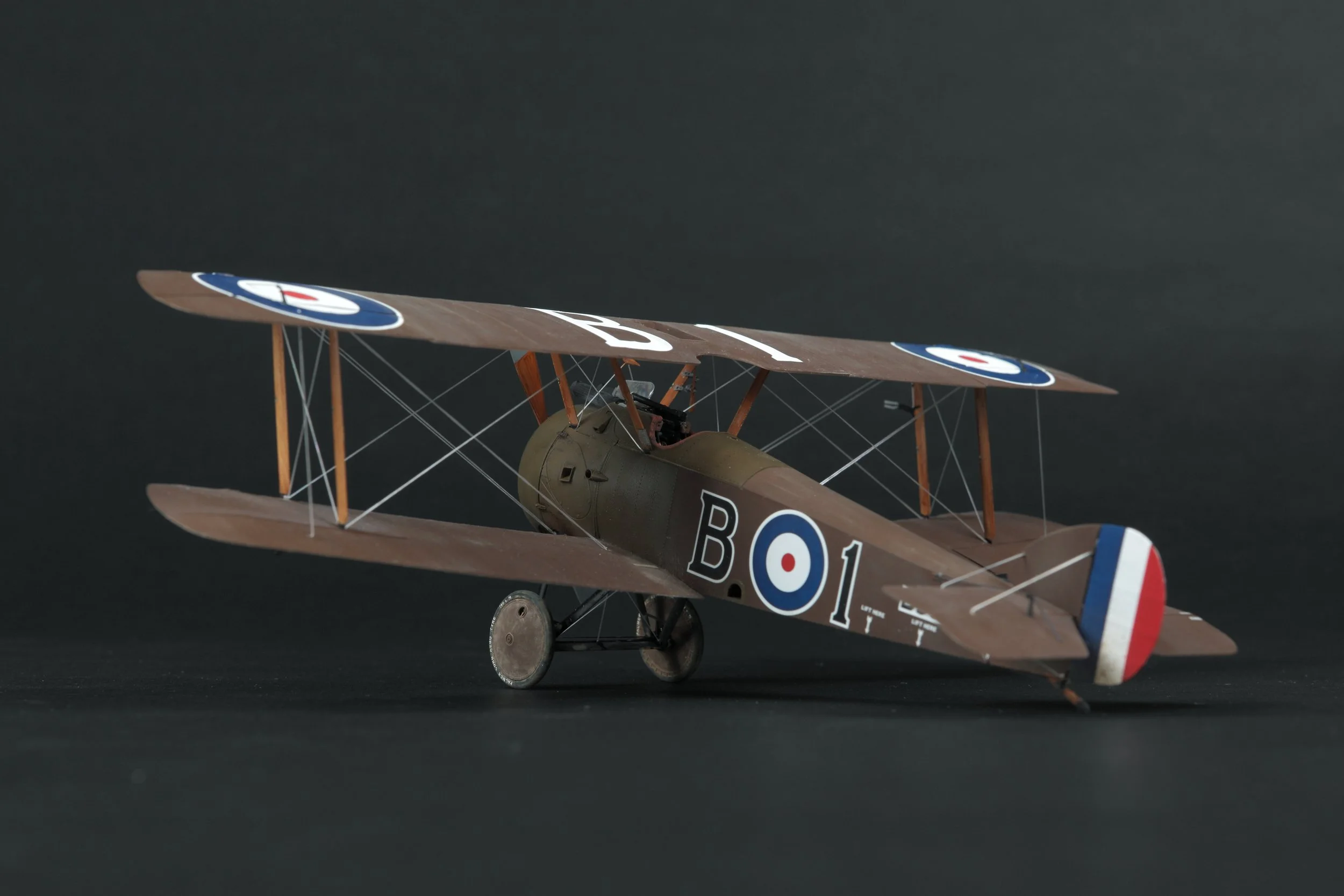
I also photographed completed Wingnut Wings model kits, many of which were built and painted in extraordinary detail by the internal team, including lead figure Richard Alexander. These shoots often involved extensive image sets, sometimes approaching 100 photographs per model, using macro photography techniques to capture the scale, finish, engineering, cockpit detail, rigging, markings, weathering, and surface treatment of each aircraft. The work demanded consistency, patience, lighting control, and close attention to small details that mattered deeply to the modelling audience.
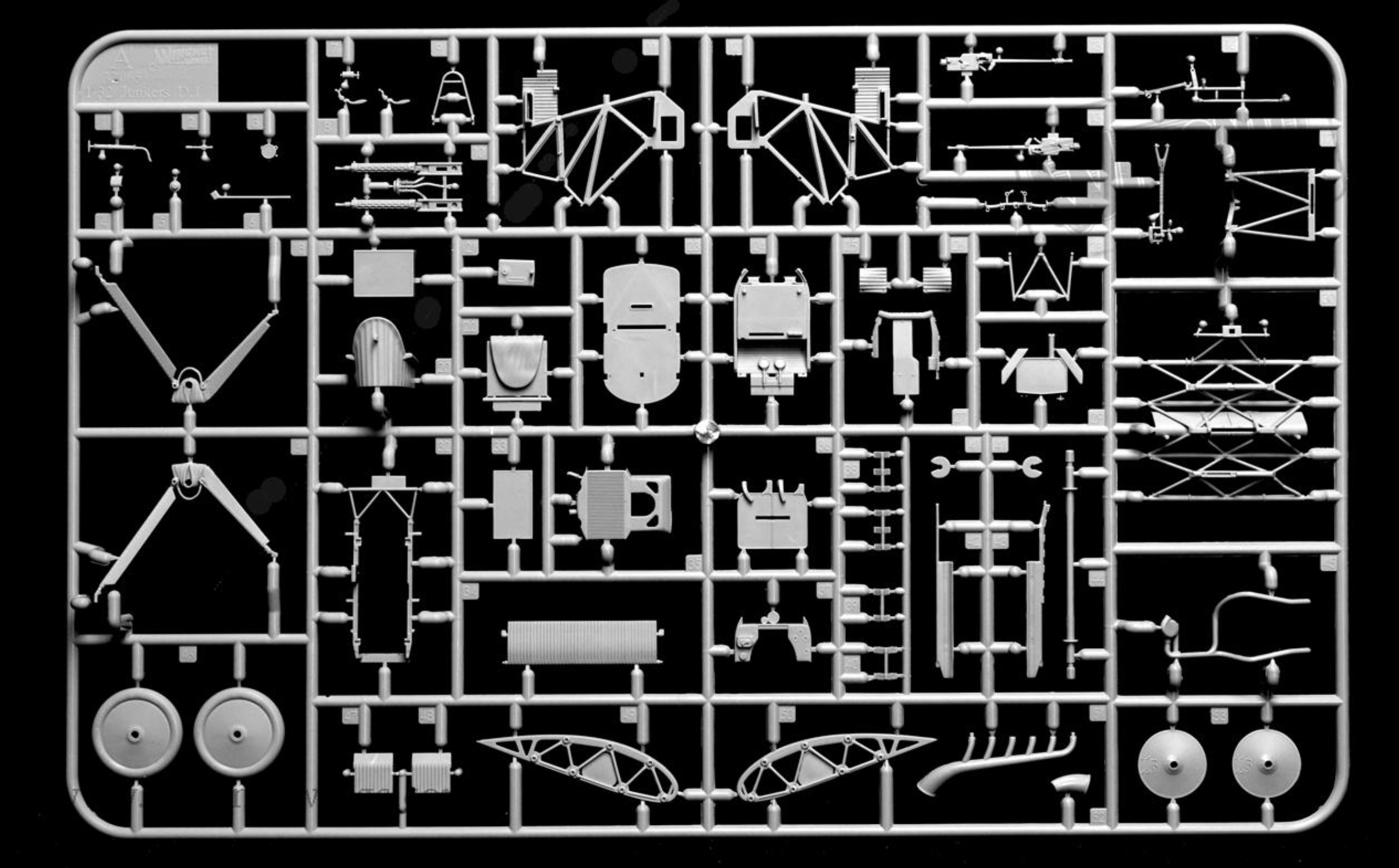
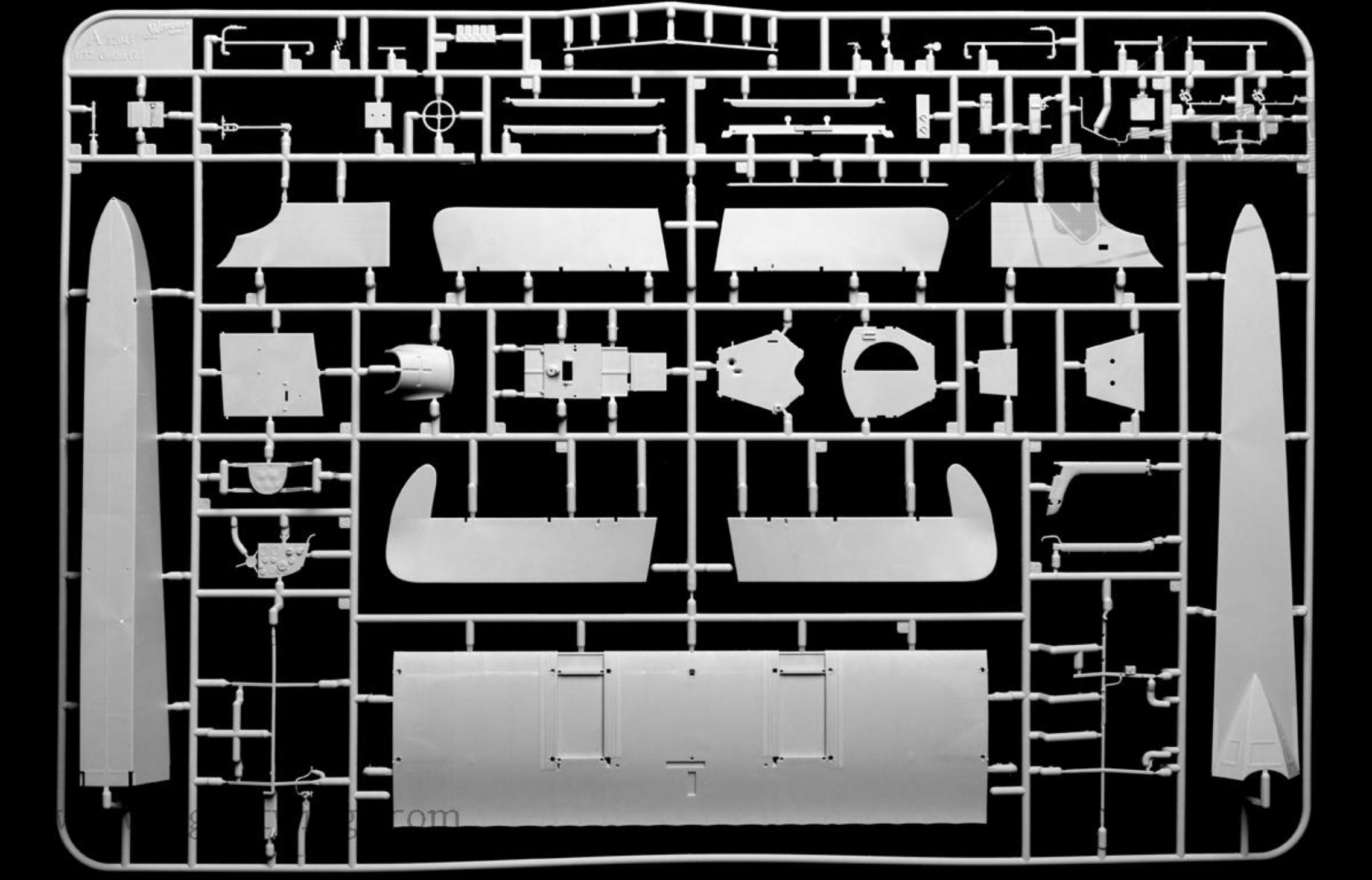
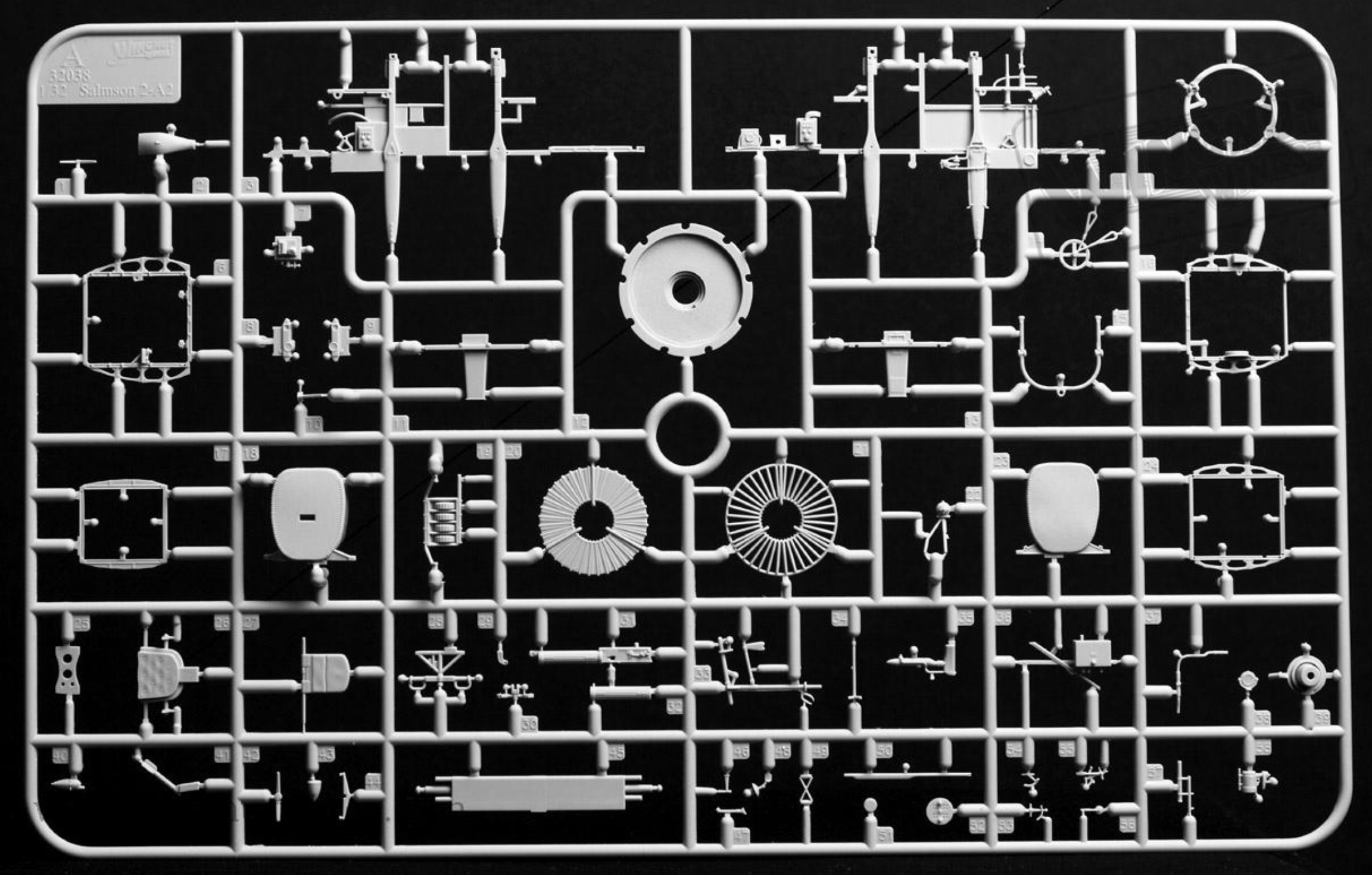
In addition to the finished models, I photographed the decal sheets and sprue sheets for each kit, documenting the engineering and layout of the model parts themselves. These images were an important part of the product presentation, giving modellers a detailed view of the kit components before assembly. The sprue photography became a technical and visual challenge in its own right. We often shot the plastic sprues against black backgrounds, delicately suspending them with fishing wire to create depth and the impression that the parts were floating in space. I was especially proud of these images, which presented the raw kit components with the same level of care and visual precision as the finished aircraft. In many cases, the sprue sheets became almost sculptural objects in their own right.
One of the most innovative components of this work was the development of interactive 360 model turnarounds for the Wingnut Wings website. I photographed each model on a turntable at 10-degree increments, creating a full rotational image sequence that allowed users to spin the aircraft and inspect it from every angle. At the time, this was an advanced presentation technique for model kit photography, first using flash-based technology and later QuickTime-style interactive display methods. The goal was to give online audiences a richer sense of the finished object than static product photography could provide.
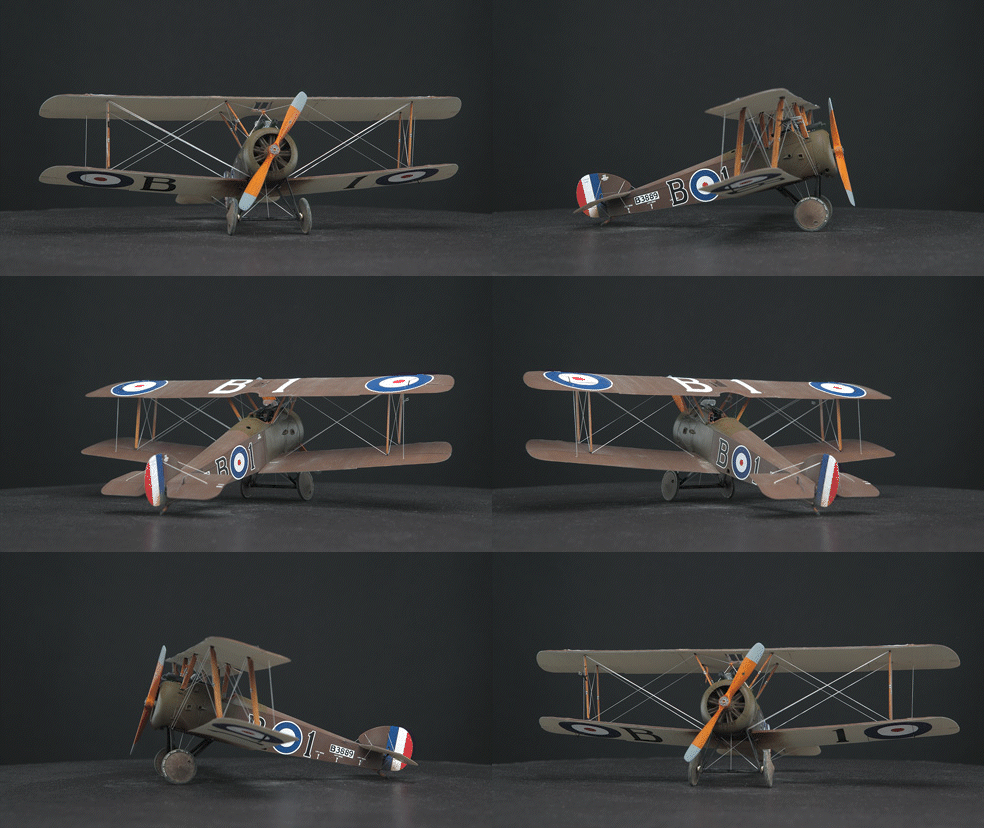
This approach aligned with what made Wingnut Wings distinctive: an unusually serious commitment to authenticity, reference quality, engineering, and presentation. The work brought together several strands of my photographic practice: collections-style object handling, macro photography, archival digitisation, product imaging, research support, and early interactive web presentation. It also sat at the intersection of film, history, craft, design, and obsessive visual detail, requiring images that were technically accurate, visually clear, and useful to a highly knowledgeable specialist audience.
This project demonstrates my ability to work with fragile objects, complex visual reference material, detailed product components, and highly refined physical models in a demanding production environment. It also reflects a long-running theme in my career: using photography and digital imaging to make objects, collections, and specialist knowledge more accessible, useful, and compelling.